The Partnership That Will Change Transportation
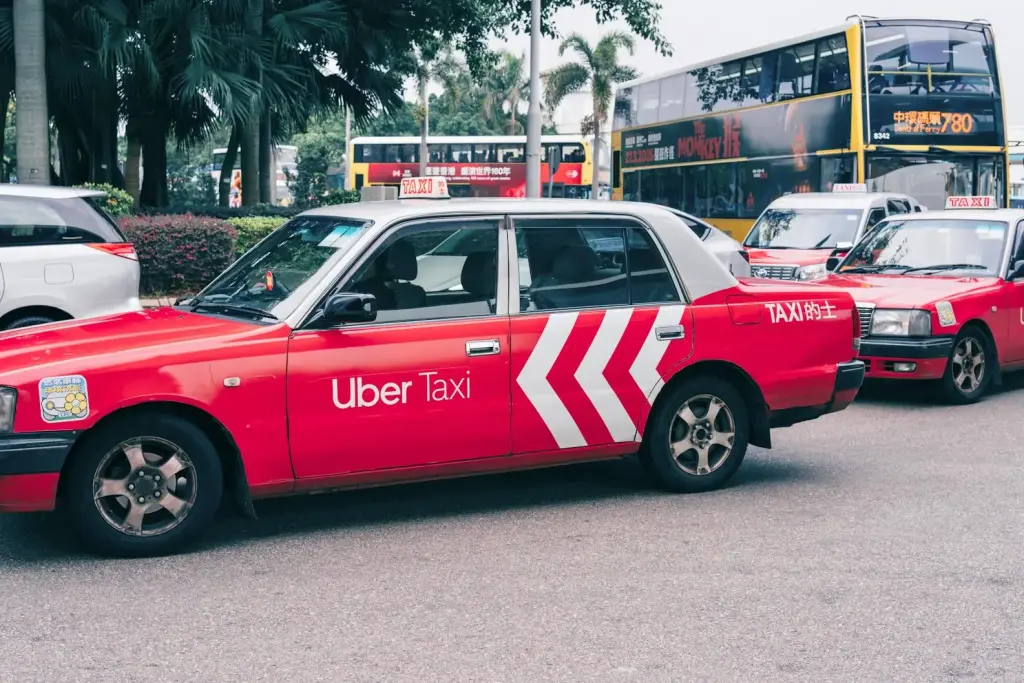
Uber has announced a groundbreaking partnership with Nvidia to launch Level 4 autonomous robotaxis across 28 cities globally. This collaboration marks a significant milestone in the race to bring self-driving cars to mainstream consumers. The announcement was made during Nvidia's annual GTC conference, where CEO Jensen Huang revealed ambitious plans for the expansion. The tech giant's autonomous vehicle division has been working tirelessly to perfect the AI systems needed for safe, reliable self-driving rides.
The partnership will leverage Nvidia's cutting-edge Drive Hyperion AV platform and its new Alpamayo reasoning-based AI model. This technology represents the latest advancement in autonomous driving, promising safer and more efficient transportation options for millions of users. According to Automotive World, the platform has already proven its capabilities through successful pilot programs in multiple cities.
What This Means for Gen Z
For a generation that grew up with smartphones and ride-sharing apps, the arrival of fully autonomous vehicles represents the next evolution in transportation. Young adults aged 18-25 are particularly excited about this technology, as it promises to revolutionize how they commute, travel, and think about car ownership. Many Gen Zers view car ownership as less important than access to convenient transportation.
The robotaxi expansion comes at a time when concerns about climate change and urban congestion are at an all-time high. Autonomous electric vehicles could significantly reduce carbon emissions and traffic in major cities. Additionally, the convenience of summoning a self-driving car through the Uber app could make car ownership increasingly unnecessary for urban dwellers. This shift could reshape city planning and reduce parking requirements.
The Technology Behind the Autonomous Vehicles
Nvidia's Drive Hyperion platform serves as the brain of the autonomous vehicles, processing data from cameras, lidar, and radar sensors in real-time. The Alpamayo AI model represents a breakthrough in reasoning-based autonomous driving, enabling vehicles to make complex decisions on the road. This system can detect obstacles, interpret traffic signs, and navigate challenging weather conditions.
According to Investor's Business Daily, BYD and Geely have also committed to using Nvidia's autonomous driving systems, indicating the platform's industry-wide adoption. Rev Lebaredian, Nvidia's Vice President of Omniverse and Simulation Technology, described autonomous vehicles as "the first wave of Physical AI" during the GTC conference. The technology processes terabytes of data every second to ensure passenger safety.
Industry Impact and Competition
This partnership puts Uber and Nvidia in direct competition with other major players in the autonomous vehicle space, including Tesla, Waymo, and Chinese EV giants like BYD and Geely. The race to deploy robotaxis at scale is intensifying, with companies investing billions in research and development. Each company is racing to achieve the first truly scalable autonomous ride-sharing network.
The autonomous vehicle market is projected to be worth hundreds of billions of dollars in the coming decade. This has attracted major investments from traditional automakers and tech companies alike. The competition is driving rapid innovation and pushing down costs for sensors and computing hardware needed for autonomous driving.
When Can You Ride?
The rollout is expected to begin in select cities by late 2026, with the full 28-city network coming online throughout 2027. Uber users in participating cities will be able to choose a robotaxi option directly through the existing app, making the transition to autonomous rides seamless and convenient. Early adopters in cities like San Francisco, Phoenix, and Austin may be among the first to experience the service.
The partnership represents a significant vote of confidence in the technology's readiness for mainstream deployment. As the network expands, experts predict that prices could become competitive with traditional ride-sharing options, making autonomous transportation accessible to a broader audience. Some analysts suggest robotaxis could eventually become the cheapest form of urban transportation.
Safety and Regulatory Challenges
Despite the excitement, significant challenges remain. Regulatory approval varies by city and state, and safety concerns continue to be debated by policymakers and the public. However, proponents argue that autonomous vehicles could dramatically reduce accidents caused by human error, which accounts for over 90% of traffic deaths worldwide. The industry is working closely with regulators to address these concerns.
Insurance frameworks are also evolving to cover autonomous vehicles, and manufacturers are developing detailed protocols for handling various road scenarios. As more data is collected and AI systems improve, expect safety metrics to continue improving. The future of transportation is autonomous, and this partnership is a major step toward making that future a reality.
Comments 0
No comments yet. Be the first to share your thoughts!
Leave a comment
Share your thoughts. Your email will not be published.