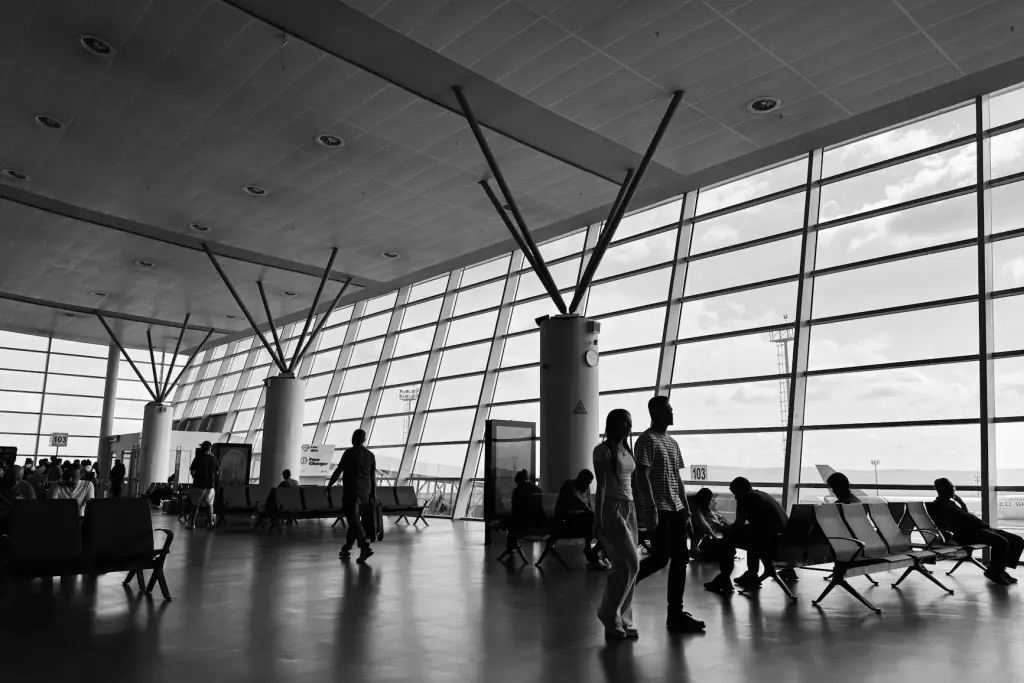
If you are planning a spring trip right now, prepare for significant delays. The partial government shutdown has created a TSA shutdown crisis, turning America's airports into chaotic scenes with security lines stretching up to four hours at major hubs like Atlanta and Houston. While travelers are stuck in these unprecedented queues, members of Congress are on a two-week recess, with some spotted vacationing at Disney World and Las Vegas casinos.
According to the New York Post, the shutdown has now entered its seventh week, making it the longest partial government shutdown in United States history. The Department of Homeland Security ran out of funding in mid-February, leaving TSA officers working without pay for over a month. The result has been severe staffing shortages that have transformed routine security screenings into day-long ordeals for millions of passengers.
The Scale of the TSA Shutdown Crisis
The situation reached absurd levels last week at Houston's George Bush Intercontinental Airport, where travelers faced lines so extensive that one passenger began distributing vodka shots to help fellow passengers cope with the wait. Video published by the New York Post shows a traveler walking through crowds with a frosted bottle and plastic cups, converting collective frustration into an impromptu gathering.
At Baltimore-Washington International Airport, community volunteers handed out water and snacks to assist passengers enduring record-breaking wait times, according to local news outlet WBALTV. Atlanta's Hartsfield-Jackson Airport, which holds the title of world's busiest, continues to advise travelers to arrive four hours early for domestic flights. This recommendation doubles the standard pre-flight arrival time.
The Houston Chronicle reports that even after TSA workers began receiving back pay on Monday, airport officials cautioned that security lines could still last longer than normal as the shutdown approaches its seventh week. Staffing levels remain critically depleted because numerous TSA officers have resigned or ceased reporting for duty after working more than a month without compensation.
Executive Action and Congressional Inaction
President Donald Trump issued an executive order on Friday directing the Department of Homeland Security to pay TSA officers immediately in an effort to reduce the TSA shutdown impact on travel. Payments commenced Monday, and security lines have shown some improvement. However, the fundamental issue persists: Congress has not approved funding legislation for the Department of Homeland Security, meaning the executive action serves as a temporary measure rather than a permanent solution.
As reported by the New York Post, forcing Congress to return would mark the first special legislative session since 1948, when President Harry Truman required lawmakers to reconvene. Trump has indicated he is considering this option, though he suggested it would likely not occur before Easter on April 5. This timeline indicates travelers should anticipate at least another week of potential disruptions.
In an unusual development, the administration deployed Immigration and Customs Enforcement agents to airports last week to supplement security staffing. Immigration enforcement officers are now operating TSA checkpoints at multiple facilities. This deployment sparked protests at Philadelphia International Airport, where demonstrators demanded ICE personnel depart, adding political controversy to an already strained travel environment.
Rising Fuel Costs Compound Travel Difficulties
The TSA shutdown coincides with additional economic pressure on travelers. According to AAA data cited by CNN, gasoline prices have climbed to four dollars per gallon nationwide, reaching their highest point since 2022. The Iran conflict has driven fuel costs up approximately one dollar per gallon in the past month alone, making automobile travel substantially more expensive.
For Generation Z travelers organizing spring break excursions or summer vacation plans, these combined factors create substantial challenges. Travelers now face a choice between costly airline tickets with potential four-hour security delays, or expensive fuel for road trips that may also involve traffic congestion. The University of Michigan Consumer Sentiment Index has declined for three consecutive months as the shutdown extends, indicating broader economic consequences beyond transportation.
Travel Strategies During the TSA Shutdown
For travelers who must fly during the coming weeks, several precautions can reduce disruption:
Arrive substantially earlier than usual. Four hours before domestic departure is now recommended for major hubs including Atlanta, Houston, and Baltimore. The practice of arriving ninety minutes before flight time is not viable until the TSA shutdown concludes.
Monitor TSA wait times through official channels. The MyTSA application and airport websites provide updated estimates, though travelers should recognize these figures can shift rapidly with staffing changes.
Prepare belongings for efficient screening. With reduced personnel, available security lanes are limited. Organizing liquids properly and keeping electronics accessible prevents additional screening delays that compound existing wait times.
Evaluate trip necessity. For travelers with flexible schedules, postponing non-essential journeys until after April 14, when Congress reconvenes, may prevent significant inconvenience. The TSA shutdown cannot continue indefinitely, though the current duration suggests resolution may not be immediate.
Entertainment producer Tyler Perry contributed $250,000 in gift cards for Atlanta TSA workers. After initial uncertainty regarding whether the donation violated federal ethics regulations, Department of Homeland Security officials confirmed workers could retain the assistance. This charitable gesture, however welcome, cannot substitute for Congressional action to restore normal airport operations.
The implications of this extended TSA shutdown fall most heavily on younger travelers. Generation Z represents the demographic most likely to prioritize budget-conscious travel plans and depend on reliable transportation for professional and personal obligations. The contrast of Congressional vacation schedules against essential personnel working without compensation, combined with traveler hardship, illustrates systemic dysfunction in federal governance. For those who must fly during this period, thorough preparation is essential.
Comments 0
No comments yet. Be the first to share your thoughts!
Leave a comment
Share your thoughts. Your email will not be published.