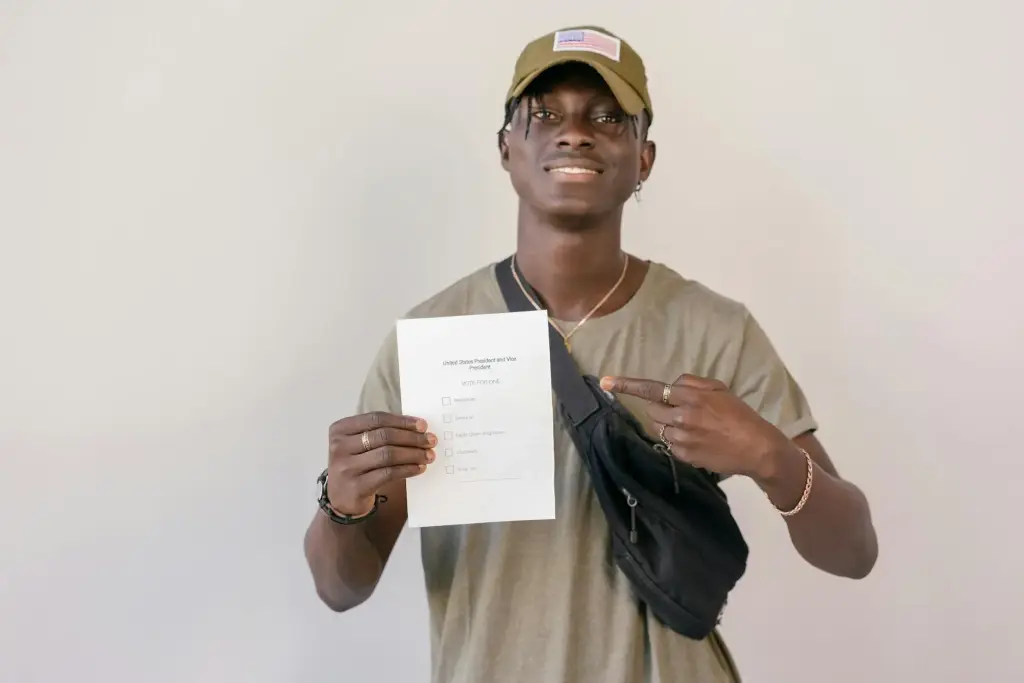
President Donald Trump just dropped a major executive order that could completely change how Gen Z votes in the 2026 midterms. According to CNN, the order aims to crack down on mail-in voting by requiring states to create approved voter lists and adding barcode tracking to all absentee ballots. The move represents one of the most significant federal interventions in election procedures in modern American history.
The new mail-in voting rules, announced Tuesday in the Oval Office, will require the Department of Homeland Security to compile state citizenship lists within 90 days. States that want to use the US Postal Service for elections will need to put special barcodes on mail-in ballot envelopes to track each vote. Commerce Secretary Howard Lutnick stated that this system will ensure "one envelope per vote" and prevent what Trump has repeatedly called widespread voter fraud in the mail-in voting system.
What This Means for Young Voters
Gen Z voters who rely on mail-in ballots could face new hurdles under this executive order. The order directs federal agencies to verify voter eligibility using citizenship data, and states that do not comply risk losing federal funding. For college students voting absentee or young adults who prefer the convenience of mail voting, these changes could create unexpected obstacles in the upcoming election cycle.
Mail-in voting has become increasingly popular among young voters who appreciate the flexibility it offers. College students living away from home, working professionals with busy schedules, and first-time voters have all embraced the convenience of casting ballots by mail. However, the new executive order could fundamentally alter this experience by adding bureaucratic layers that make the process more cumbersome and potentially discourage participation among demographics that already face barriers to voting.
Trump has been vocal about his opposition to mail-in voting, calling it "cheating" despite defending his own mail ballot in a recent Florida special election by stating, "Because of the fact that I am President of the United States." The contradiction has not gone unnoticed by critics who argue the rules are being changed to suppress youth turnout and make mail-in voting more difficult for demographics that traditionally favor Democratic candidates.
Legal Battles and Constitutional Questions
The executive order targeting mail-in voting is almost certain to face immediate legal challenges from voting rights organizations and state attorneys general. Trump himself acknowledged that a "rogue" federal judge might block the order, but he expressed confidence that it would ultimately stand. Constitutional experts note that states, not the federal government, traditionally hold authority over elections, making the order's legal foundation questionable at best.
Several states have already indicated they will challenge the order in court. The National Association of Secretaries of State issued a statement expressing concern about federal overreach into state election administration. Legal scholars point to the Elections Clause of the Constitution, which grants states the primary role in determining the time, place, and manner of congressional elections, as a potential constitutional barrier to the executive order's implementation.
The timing of this mail-in voting crackdown is particularly significant. With midterm primary elections already underway in many states and Election Day scheduled for November 3, 2026, the 90-day timeline for implementing these changes puts the new system in place by late June. Whether states can adapt their election infrastructure in time remains an open question that could create chaos at the polls and confusion among voters who have already come to rely on mail-in voting as a safe and convenient option.
Many election officials have expressed practical concerns about the feasibility of implementing the new barcode tracking system so close to major elections. The infrastructure required to track millions of mail-in ballots through the postal system would require significant technological upgrades and coordination between federal agencies and state election offices. Critics argue that rushing such a complex system into place could actually create the kinds of errors and irregularities that the executive order claims to prevent.
For Gen Z voters planning to participate in the 2026 midterms, staying informed about these mail-in voting changes is essential. The executive order represents a dramatic shift in how Americans will cast their ballots, and its impact on youth voter turnout could reshape the political landscape for years to come. Young voters who have come of age during an era of expanded voting access may now face a very different reality when it comes to exercising their democratic rights through mail-in voting.
Comments 0
No comments yet. Be the first to share your thoughts!
Leave a comment
Share your thoughts. Your email will not be published.