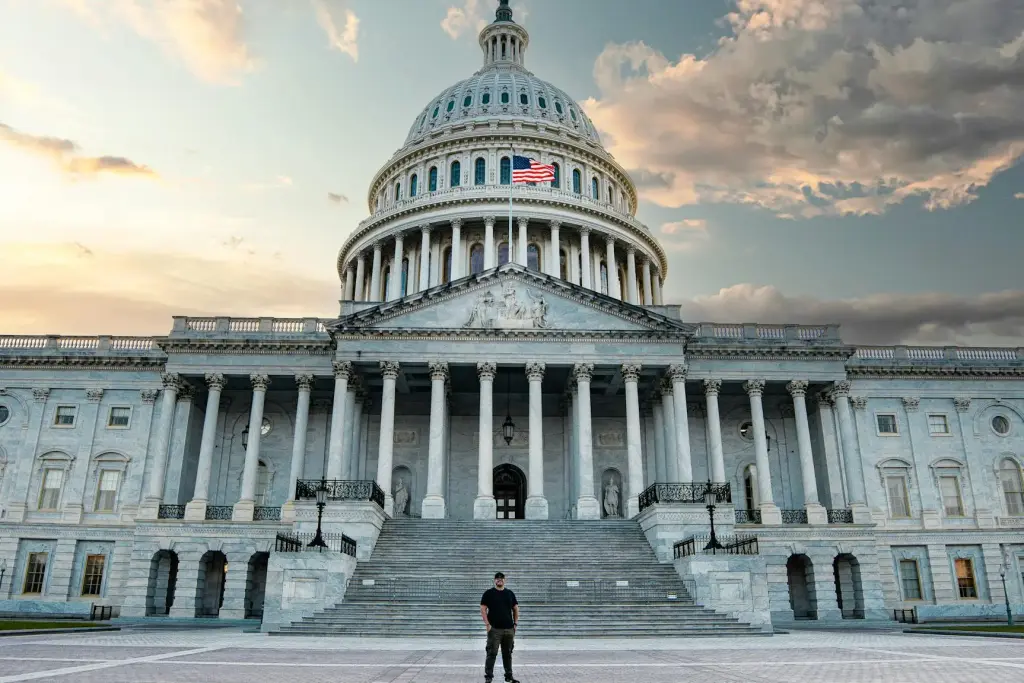
The longest partial government shutdown in American history just hit 45 days, and President Trump is considering an unprecedented move to end this DHS shutdown. According to the New York Post, Trump told reporters he is weighing whether to call Congress back from their two-week spring break for a rare special session that would be the first since 1948.
"It is something that is under consideration," Trump said when asked about the historic move. "Maybe we will let them have Easter." If he proceeds with this extraordinary measure to end the DHS shutdown, it would mark the first special session of Congress since President Harry Truman forced Republicans to return to Washington to debate health care, civil rights, and Social Security legislation nearly 80 years ago.
Lawmakers on Vacation While Workers Go Without Pay
The timing could not be more awkward for members of Congress. As reported by USA Today, celebrity gossip site TMZ has been tracking and publishing photos of lawmakers enjoying their vacations while Department of Homeland Security employees work without paychecks. Republican Senator Lindsey Graham was spotted at Disney World carrying a bubble wand, while Democratic Representative Robert Garcia was photographed at a Las Vegas casino.
Both lawmakers defended their travel. Graham told TMZ he was initially in Florida for a meeting with Trump administration official Steve Witkoff regarding Saudi Arabia-Israel relations. Garcia explained he was visiting his father, who has lived in Vegas for 15 years. Still, the images have fueled public anger as the DHS shutdown drags into its second month.
The ABC News reports that the optics have become increasingly damaging for both parties, with average Americans questioning why their representatives are on vacation while TSA agents, Coast Guard personnel, and FEMA workers struggle to pay their bills. The situation has created a rare moment of bipartisan embarrassment on Capitol Hill.
What is at Stake for DHS Workers
The partial shutdown affects a wide range of critical agencies under the Department of Homeland Security. While Trump signed an executive order last week to restore pay for Transportation Security Administration workers, thousands of other DHS employees remain unpaid. This includes workers at the Federal Emergency Management Agency, the Cybersecurity and Infrastructure Security Agency, and civilian Coast Guard personnel who continue working through the DHS shutdown without knowing when their next paycheck will arrive.
White House Press Secretary Karoline Leavitt emphasized at a Monday briefing that executive actions are only temporary solutions. "The president just cannot keep signing presidential memorandums every time Congress fails to do its job," she stated forcefully. "Nothing will be truly normal again until Democrats do the right thing to fund this agency fully." Her comments underscore the administration growing frustration with the legislative deadlock.
The funding impasse began when Senate Democrats demanded changes to immigration enforcement policies following the fatal shooting of two American citizens by federal agents in Minneapolis. House Republicans have rejected any bill that does not fully fund border and immigration operations. The Senate passed a compromise funding most of DHS except ICE and border patrol, but House Speaker Mike Johnson called it "dead on arrival" in the lower chamber.
Democratic Senator Chris Coons told reporters that calling Congress back would not solve the underlying disagreement. "Ultimately late last week when Republicans were unwilling to put those reforms into the bill, Leader Thune said we are just going to fund all of DHS except ICE and Border Patrol," Coons explained. "There is no point in calling us all back because that was the result of a conscious choice by the Republican majority."
With Congress scheduled to remain on recess until April 14, the shutdown will reach two full months if no action is taken. Trump potential special session would require lawmakers to return to Washington immediately, bypassing the traditional separation of powers that gives Congress control over its own calendar. According to the Congressional Research Service, presidents have exercised this constitutional power only 27 times in American history, making it one of the rarest executive authorities. The last president to call a special session was Harry Truman in 1948, making this option both historically significant and politically risky for the Trump administration.
Comments 0
No comments yet. Be the first to share your thoughts!
Leave a comment
Share your thoughts. Your email will not be published.