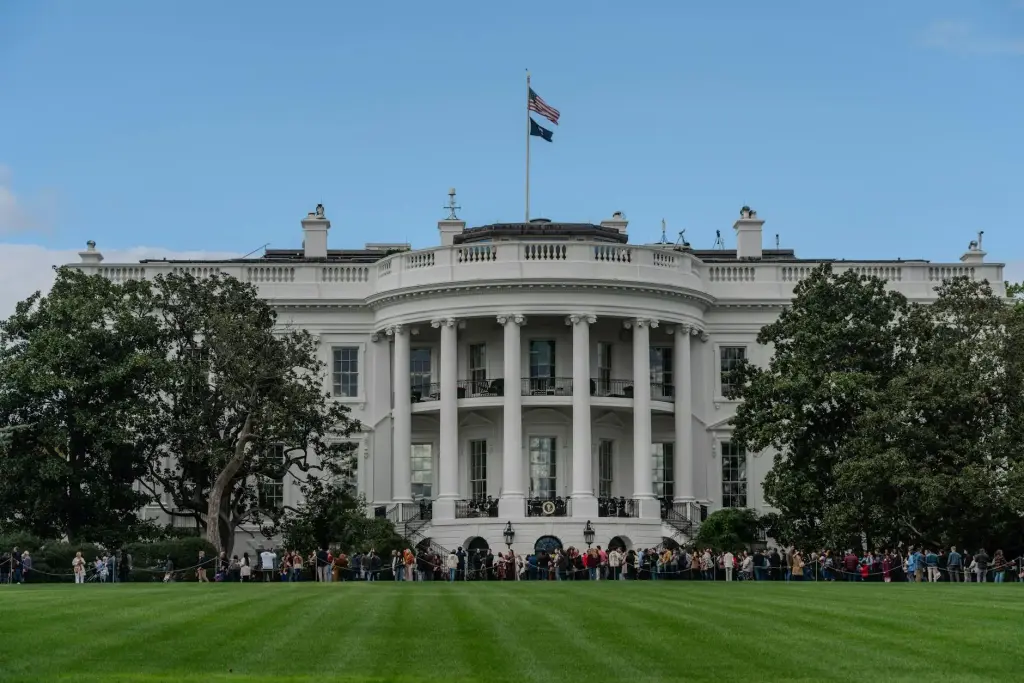
Trump mail-in voting restrictions just became the biggest political story of the week. President Donald Trump signed a sweeping executive order on Tuesday that could fundamentally reshape how Americans cast their ballots in the upcoming 2026 midterm elections. The order creates a federal framework for voter eligibility that has never existed in American history, immediately drawing legal challenges from voting rights organizations and Democratic state officials.
According to the New York Times, the executive order directs the Department of Homeland Security and Social Security Administration to compile an approved list of citizens eligible to receive mail-in ballots. This federal list would override the state-managed voter rolls that have governed American elections since the founding of the republic. States that refuse to comply with the federal voter list system risk losing federal funding for election administration.
What the Trump Mail-In Voting Order Actually Does
The executive order represents one of the most significant federal interventions in election administration in modern American history. Under the new system outlined in the order, the U.S. Postal Service would only transmit mail ballots to voters appearing on the federally-approved list, effectively creating a two-tier voting system that did not exist before this week.
The order also imposes new deadlines for ballot receipt, requiring that all mail ballots arrive at election offices by Election Day rather than the postmark deadlines that many states currently allow. This change alone could disqualify thousands of ballots that arrive shortly after Election Day but were clearly mailed in time.
Additionally, the order requires states to share voter data with federal agencies in ways that raise significant privacy concerns. The federal government would maintain a master database of voter eligibility that critics argue could be weaponized for partisan purposes or vulnerable to security breaches.
Why Gen Z Should Pay Attention to This Fight
Young voters have increasingly turned to mail-in voting as their preferred method of participating in elections. According to recent Gen Z voting trends, voters under 30 have embraced early and mail voting at record rates, citing work schedules, school commitments, and transportation barriers that make traditional Election Day voting difficult.
The Trump mail-in voting restrictions threaten to disrupt this trend at a critical moment. The 2026 midterm elections will determine control of Congress, and polls currently suggest Republicans are at risk of losing both the House and Senate. Any changes to voting procedures that make participation harder for young voters could significantly impact the outcome of tight races in swing states like Pennsylvania, Wisconsin, Michigan, and Arizona.
Gen Z voters are also the most likely to move frequently for education, internships, and early career opportunities. This mobility makes mail-in voting particularly valuable, as young voters may not have stable addresses that align with traditional registration requirements. The new federal restrictions could create additional bureaucratic hurdles that disproportionately affect transient young populations.
Beyond the immediate practical impacts, this executive order signals a broader political fight over who gets to participate in American democracy. The order comes after years of Republican efforts to tighten voting requirements, often targeting the same young, urban, and minority voters who helped elect Democrats in recent cycles.
The Legal Battle Lines Are Already Drawn
Voting rights groups and Democratic officials are preparing immediate legal challenges to the executive order. According to NBC News, multiple lawsuits are expected to be filed within days arguing that the order represents an unconstitutional overreach of federal authority into state-managed elections.
"If Trump signs an unconstitutional Executive Order to take over voting, we will sue," Democratic officials warned ahead of the signing ceremony. The constitutional basis for these challenges is strong, as the Constitution delegates primary authority over election administration to the states, with federal intervention historically limited to protecting voting rights rather than restricting them.
Courts have already blocked portions of a previous Trump executive order from March that sought to impose proof-of-citizenship requirements for voter registration. That legal precedent suggests that much of this new order may also face judicial scrutiny, though the litigation process could extend well past the November midterms.
The legal uncertainty itself poses problems for election officials who need to begin preparing ballots, registration systems, and voter education campaigns. States cannot easily implement the federal requirements while simultaneously fighting them in court, creating administrative chaos that could affect the actual conduct of elections.
Trump acknowledged the legal challenges during the signing, stating that the order could face hurdles but defending it as necessary for election integrity. However, the president has repeatedly made claims about widespread voter fraud that have been thoroughly debunked by election experts, courts, and his own administration's investigations.
For Gen Z voters watching these developments unfold, the message is clear: the rules of participation are being contested in real-time. Whether through legal challenges, legislative responses, or voter registration drives, the fight over who can vote and how they vote will shape American politics for years to come. Young voters should verify their registration status early, understand their state's specific voting requirements, and prepare for a potentially chaotic election season where the procedures themselves are as contested as the candidates on the ballot.
Comments 0
No comments yet. Be the first to share your thoughts!
Leave a comment
Share your thoughts. Your email will not be published.