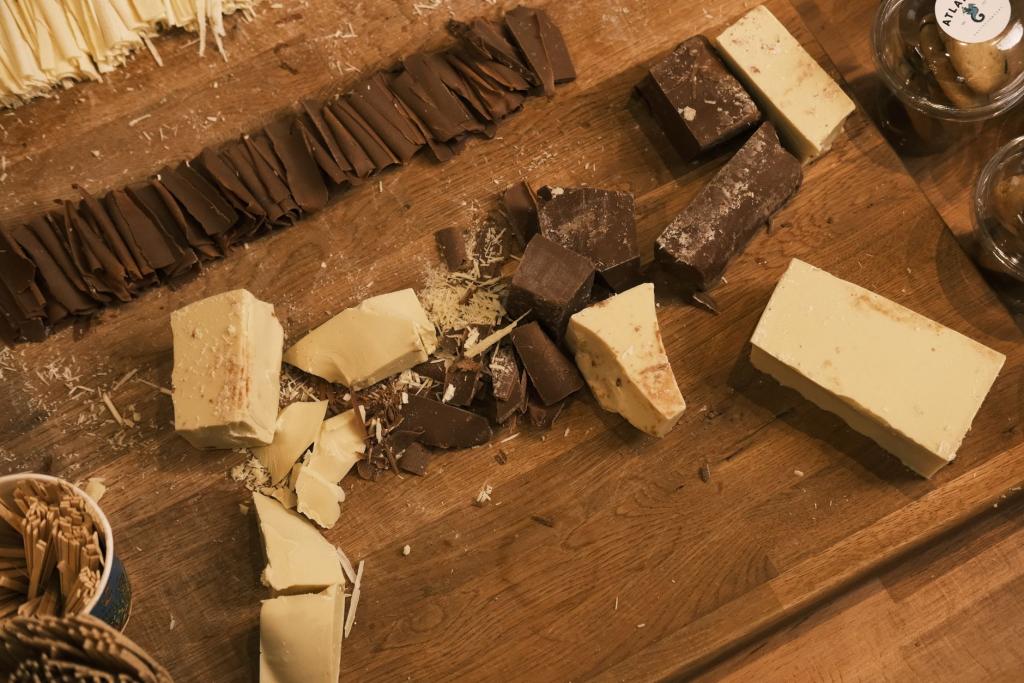
TikTok has a new favorite wellness shortcut, and it tastes like dessert. Videos promoting Fat Fragmenting Chocolate claim that eating chocolate, especially dark chocolate, can break down body fat from the inside out. The clips are slick, the promise is delicious, and health professionals say the science behind it is nonexistent.
The trend's pitch is simple: consume chocolate in specific ways and watch fat "fragment," or dissolve, without the usual work of diet and exercise. According to a review by DrBayer.com, updated in mid-October, the claim has no scientific support and no identified fat-fragmenting agents in chocolate. The review calls it a viral marketing claim that lacks any medical foundation for the mechanism it describes.
How the trend took over feeds
Creators present dark chocolate as a weight-management tool, leaning on its reputation as a "healthy" indulgence to make the claim feel plausible. The format follows a familiar TikTok playbook: a confident presenter, a kitchen-counter demonstration, and a before-and-after implication that never quite shows its work. As a certified nutritionist writing at NutritionistMeetsChef.com puts it, the idea is intriguing but overly simplistic, and the supposed fat-fragmenting effect has no basis in how human metabolism works.
This is not the first time a single food has been cast as a fat-loss miracle. Apple cider vinegar had its viral era, "negative-calorie" celery made the rounds, and butter coffee once promised to melt pounds while you sipped. Each followed the same arc: an appealing mechanism, a wave of testimonials, and then a quiet fade once researchers and dietitians pointed out that no grocery item can override energy balance. The chocolate version is arguably the most tempting of the bunch, which may explain why it spread so fast.
The trend also shows how TikTok has become a launchpad for health claims that skip peer review entirely. Research from Virginia Commonwealth University, published in the Journal of Consumer Affairs and reported by Becker's, analyzed hundreds of TikTok clips from roughly a dozen licensed physicians with large followings and interviewed a small group of Gen Z followers. The study found that young viewers judge a creator's medical credibility by visual cues like stethoscopes, scrubs, and diplomas on the wall rather than by checking actual credentials. Followers also admitted they buy products and follow health advice from these creators at high rates, even while knowing commercial incentives sit behind the content.
What fat loss actually requires
The process the trend pretends to hack has a real name: lipolysis. During lipolysis, the body breaks stored fat into fatty acids and glycerol to burn as energy, and it only happens at meaningful scale when the body takes in less energy than it spends. That deficit typically comes from eating balanced meals and moving regularly over weeks and months. No single food, including chocolate, can bypass that requirement, according to the DrBayer.com review.
Some foods can modestly support the process. Protein and fiber help manage appetite, which makes a calorie deficit easier to sustain, but their metabolic effects are small. That is the core problem with Fat Fragmenting Chocolate as a concept: lipolysis responds to overall energy balance, not to cocoa. Chocolate does not belong in the appetite-support category. Dark chocolate is calorie-dense, and eating more of it in pursuit of fat loss can quietly push intake in the wrong direction. The review's caution is blunt: anyone expecting direct fat loss from chocolate will be disappointed, and people on calorie-restricted diets should treat it as an indulgence, not a tool.
What chocolate can genuinely do
Here is the counterpoint the trend gets half-right: dark chocolate is not junk. Cocoa contains flavonoids, a class of antioxidants linked to cardiovascular support through reduced oxidative stress and healthier blood flow. It also delivers meaningful amounts of magnesium and iron, plus small doses of caffeine and theobromine, the stimulants behind chocolate's gentle lift. These are real, documented perks, and they are why dietitians often call high-cocoa chocolate a reasonable treat rather than a forbidden one.
The catch is dosage and expectation. The benefits show up in the context of an overall balanced diet, not as a standalone therapy. The DrBayer.com review suggests a mindful approach: one or two small squares of high-cocoa, minimally processed dark chocolate can satisfy a craving and deliver some antioxidants without derailing nutrition goals. Framed that way, chocolate is a pleasure with side benefits, which is a much better deal than a miracle that does not exist.
There is also an emotional dimension worth naming. Chocolate stimulates serotonin and endorphin release, the neurochemicals tied to comfort and calm, which is exactly why it makes such an effective vehicle for wellness marketing. Feeling good while eating chocolate is real. The leap from that feeling to fat loss is where the trend leaves science behind.
The takeaway for your feed
Viral health claims deserve a pause before they earn a place in your routine. When a video promises that one food can do the work of an entire lifestyle, that is the moment to check whether any qualified professional or published research backs it up. In this case, reviewers across nutrition and medical sites agree: the Fat Fragmenting Chocolate mechanism is fiction, even if the chocolate itself is fine.
If weight management is the actual goal, the unglamorous fundamentals still win: regular movement, enough sleep, protein and fiber at meals, and a modest, sustainable calorie deficit. Chocolate can stay in the picture as a deliberate small pleasure. Just do not let a TikTok trend convince you it is doing the heavy lifting. For more on how wellness trends shape young consumers, see how Sober October has Gen Z remixing the home bar, why loneliness is tied to fewer years of healthy life, and how scientists say viral UFO videos might just show birds.
Comments 0
No comments yet. Be the first to share your thoughts!
Leave a comment
Share your thoughts. Your email will not be published.