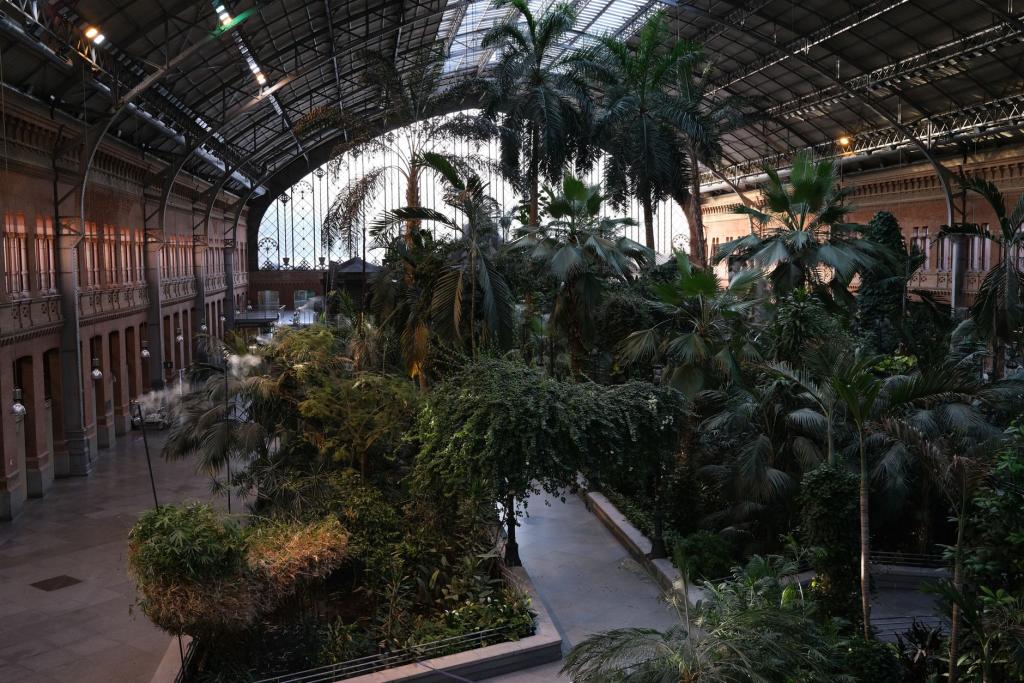
The Royal Botanic Garden Edinburgh will reopen its historic Palm Houses to the public this Friday, 2 October, ending a five-year restoration of two glasshouses that shelter some of the rarest plants in cultivation. The Edinburgh Palm Houses reopening is the first phase of the Garden's wider Edinburgh Biomes programme to open to visitors, according to the Garden, and it closes a chapter in which the houses sat empty behind scaffolding while craftspeople rebuilt the structures around the collection. When the doors open, ticketed visitors will step back into the tallest traditional stone-built Palm House in the world.
The scale of the work was substantial. Every one of the 5,750 panes of glass was replaced with new toughened glass cut from bespoke templates designed to cope with harsher weather, reported the North Edinburgh News. Craftspeople fully restored or updated 600 square metres of the original Georgian and Victorian ironwork, and carried out 500 square metres of sandstone repairs, with replacement stones weighing up to a quarter of a tonne. The iron-and-glass shell of the houses dates back to 1834, and the Garden describes the project as the most ambitious restoration in its 356-year history.
Why the restoration could not wait
By 2021 the buildings had become a danger to the plants inside them. Ageing glass panels could shatter and crash to the floor in strong wind, and the glasshouse curator Sadie Barber told UKPulse that plants had been "decapitated by falling bits of glass". Access to the glasshouses was restricted whenever winds rose above 30mph, and horticulturalists were shut out of the buildings fifteen times so far this year because conditions were unsafe. Leaks from Scottish rain had also damaged or killed some plants' rootstock, according to the same report.
The restoration answers those problems with heavier, tougher materials, but it also had to keep faith with the listed buildings. The houses retain nearly all of their original sandstone and wrought iron, and the project kept the Victorian and Georgian proportions intact while fitting glass rated for the climate the Garden expects in the decades ahead. Other glasshouses at the Garden are still decades past their intended lifespan and await their own renovations, which puts the Palm Houses project in perspective as the first step rather than the end of the Biomes programme.
What visitors will find inside
Before the restoration began, the horticulture team carefully lifted 800 precious specimens out of the Palm Houses and temporarily rehomed most of them in other glasshouses around the Garden. Replanting started earlier this year, and the houses will now be home to almost six hundred of the more tender specimens in Scotland's National Botanic Living Collection, which spans over thirteen thousand species from 152 countries. Among the returning plants is a stone gate palm, Trachycarpus princeps, standing more than eight metres tall and believed to be the tallest of its kind in cultivation outside China, according to earlier reporting on the reopening.
The opening was marked with the final planting of an endangered lion plant, Valdivia gayana, from Chile. Gillian Martin MSP, the Scottish Government's Cabinet Secretary for Climate Action, joined Professor Julia Knights, the Regius Keeper of the Royal Botanic Garden Edinburgh, to plant the specimen as the last addition to the restored houses. The Garden's wider conservation work in Scotland has already given rescued plants a second home, including Dendroseris neriifolia seedlings that were moved to a Scottish site to secure their future. Visitors will hear the stories of these plants through a new experience that includes multimedia and multisensory digital tours, part of an effort to explain why the collection matters for conservation science.
One of the houses' best-known residents will be back in spirit. A palm that had been moved from the Garden's earlier Leith Walk site in the early 1820s stood in the Tropical Palm House for almost two hundred years, and was believed for all that time to be Sabal bermudana. The tree was too large to move before the restoration and had to be felled, but research carried out afterwards showed it was actually Sabal mexicana, a species science did not formally describe until 1838. Horticulturists had been collecting its seed for years, and a young palm grown from that seed now grows in the restored Palm Houses.
The Palm Houses restoration cost £23.5 million. For the Edinburgh Palm Houses reopening, Visiting will be by ticketed entry with allocated time slots each day, and the Garden recommends booking in advance, with a presale that let visitors book 48 hours ahead of general admission. Anyone planning a trip can find ticket details through the Garden's site. The buildings waited behind scaffolding through the whole restoration; from Friday, the ferns and palms are back on show.
Comments 0
No comments yet. Be the first to share your thoughts!
Leave a comment
Share your thoughts. Your email will not be published.