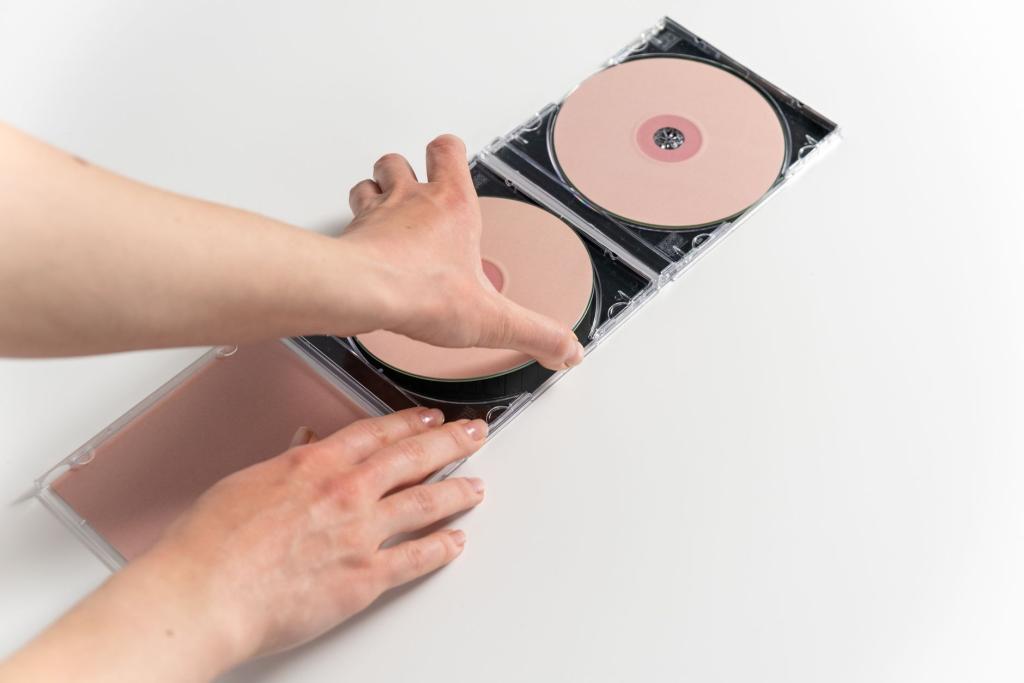
The CD sales comeback nobody predicted is now on the books. In the first six months of 2026, Americans bought 17.5 million compact discs. That is a 45.7 percent jump from the roughly 12 million CDs sold in the same stretch of 2025, according to the Recording Industry Association of America's mid-year report, with revenue from CDs climbing 58.6 percent to $171.1 million. A format pronounced dead a decade ago just posted its strongest start in years, and the buyers driving it are largely under 30.
The rebound is striking because 2025 looked like the end of the road. Full-year figures released earlier showed CD revenue falling 7.8 percent to $312.4 million, with unit sales sliding 11.6 percent from 33.3 million to 29.5 million. Streaming had not just won; it had reduced the disc to a curiosity. The first half of 2026 reversed that in one reporting cycle.
Collectors, not audiophiles
The people buying are not digging out Discmans for better sound. Luminate research, cited by Hypebeast, found that Gen Z and millennial buyers are purchasing discs mostly as collectibles. Much of the spike traces to special editions from K-pop acts like BTS, whose releases arrive with photobooks, alternate covers, and packaging designed to be displayed rather than played. Only about half of all CD buyers actually own a CD player, which tells you what the disc is now: high-value visual merchandise for a fandom, not a playback device.
That matches how this generation shops. Younger buyers treat physical music the way they treat sneakers or vinyl figures, as something to hold, shelve, and photograph. Owning the object signals membership in the fandom more than it serves the music inside, and limited-run packaging turns a mass-produced disc into a scarce item. Artists have noticed. Elaborate physical editions, once a vinyl-only strategy, have spread across pop and K-pop release plans because the margins and the fan enthusiasm are both real.
The whole physical shelf is moving
CDs are not the only format climbing. Vinyl sales rose nearly 21 percent to reach 26.5 million units in the first half of 2026, and the vintage-leaning corner of the market covering CD singles, DVDs, cassettes, SACD, and DVD-Audio surged more than 73 percent to 1.6 million units. Overall physical media revenue jumped 25.9 percent to $731.5 million, with vinyl revenue itself up 17.7 percent. Streaming still brings in the overwhelming share of industry money, but nearly every physical category is growing at the same time.
The disc revival sits inside a broader appetite for simpler, tangible tech, and the CD sales comeback is pulling vinyl and cassettes along with it. Reported by TechCrunch, Gen Z shoppers are picking up dumbphones, digital cameras, typewriters, and landlines, buying old gadgets from thrift stores or vintage-tech sites like eBay and Retrospekt. Startups have stepped in to sell the lifestyle new: companies like Tin Can and Ooma make landlines for households that never had one, while Light, Minimal, and Dumb Co. sell phones that strip out the feeds. The thread running through all of it is a yearning for technology you can control, an era when devices did less and asked for less.
One footnote is worth keeping in mind. The RIAA changed its revenue methodology in 2025, switching from estimated retail value to wholesale value, so recent dollar figures are not perfectly comparable with older ones. Unit sales are unaffected by the change, and the unit numbers tell the same story: a genuine rebound. The totals also leave out used CDs sold from thrift bins and garage sales, plus the hand-me-downs Gen X parents pass to their kids, so the real footprint of the comeback is likely larger than the report can count.
The disc comeback has not dented streaming's dominance. Overall U.S. recorded music revenue reached $5.97 billion in the first half of 2026, up 6.9 percent from a year earlier, with growth across every major category. Streaming alone brought in $4.9 billion, up 4.7 percent, with paid subscriptions accounting for $3.4 billion of that on 6.4 percent growth. For a generation raised on feeds, the compact disc works as an object first and a format second.
Comments 0
No comments yet. Be the first to share your thoughts!
Leave a comment
Share your thoughts. Your email will not be published.