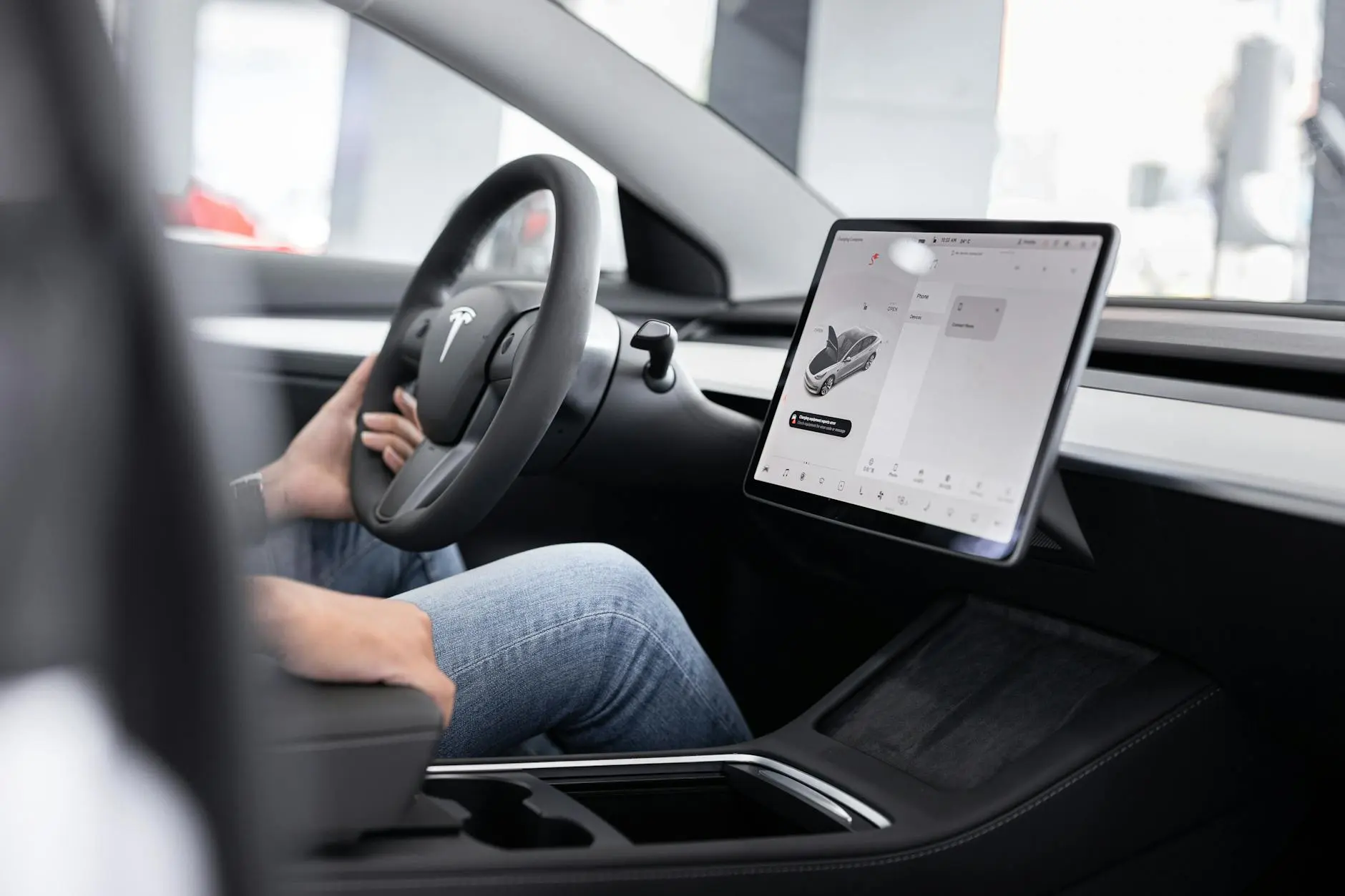
Tesla Robotaxi is no longer just a futuristic concept — it's officially rolling out on American streets, and honestly, this is kind of a big deal for anyone who's tired of dealing with ride-share drivers, unpredictable pricing, or just wants to feel like they're living in the future. The Tesla Robotaxi service, powered by the sleek Cybercab design, launched in Austin, Texas in 2026, and Tesla has big plans to expand to seven new cities by the end of the year. If you've been watching Elon Musk's ambitious promises for years, this is the moment where things are actually starting to feel real.
What's Actually Happening With Tesla Robotaxi Right Now
According to recent reports, Tesla's robotaxi service kicked off in Austin back in June 2026, marking the first time fully driverless vehicles — no human backup driver — were available to the public through the company's own platform. The service operates using the Cybercab, a purpose-built autonomous vehicle with no steering wheel or pedals, designed specifically for ride-hailing. Tesla plans to expand coverage significantly, with the company stating ambitions to cover half the US by the end of 2025 and achieve widespread availability by late 2026. That's some fast scaling if they can pull it off.
Why This Matters For Gen Z
Let's be real — for our generation, car ownership has always felt more like a burden than a milestone. Between insurance costs, parking nightmares, maintenance, and the fact that driving in traffic is literally stressful, many of us are totally fine letting a computer handle it. Studies show that younger generations are delaying getting driver's licenses and postponing car purchases compared to previous generations, and services like Tesla Robotaxi directly tap into that mindset. Instead of dropping $30,000+ on a car, you could just summon a driverless taxi from your phone and pay per ride. It's basically the future we were promised in sci-fi movies, except it's happening in real time.
The pricing is also something to keep an eye on. While Tesla hasn't released official rates for the robotaxi service, the company has hinted that it could be significantly cheaper than traditional ride-share options since there's no human driver to pay. If you're a college student in Austin or one of the upcoming cities, this could genuinely change how you get around campus, to work, or to the airport without blowing your budget.
The Not-So-Smooth Parts: Challenges Ahead
Of course, it's not all smooth sailing. Tesla's robotaxi rollout hasn't been without controversy or delays. The company has faced scrutiny over its autonomous driving technology, particularly after incidents involving its Full Self-Driving system. Additionally, California — one of the biggest potential markets — is still a ways off. Reuters reported that Tesla did nothing to secure the necessary permits for California operations in 2025, with the state Department of Motor Vehicles noting zero miles of autonomous test driving on California roads last year. So if you're hoping to catch a Cybercab in LA or San Francisco anytime soon, you'll probably be waiting a while.
Regulatory hurdles remain a major challenge across the country. Different states have different rules about autonomous vehicles, and Tesla needs to get approvals in each jurisdiction before launching. There are also ongoing debates about liability when things go wrong — if a robotaxi gets into an accident, who's responsible? These are the kind of questions that regulators and insurance companies are still figuring out, and they could slow down expansion plans.
What This Says About The Future Of Transportation
The launch of Tesla Robotaxi represents a broader shift in how we think about mobility. We're moving toward a world where car ownership might become the exception rather than the rule, especially in urban areas. Other companies like Waymo and Cruise have been operating robotaxis in select cities for years, but Tesla's entry into the market brings serious brand power and tech credibility to the table. With Tesla's massive Supercharger network, existing fleet of vehicles with FSD capability, and Elon Musk's ability to generate buzz, this could accelerate adoption in ways we haven't seen before.
For Gen Z, this is part of a larger trend where we value access over ownership. Whether it's streaming music instead of buying CDs, renting clothes instead of buying them, or hopping in a driverless car instead of owning one, the shift is about flexibility and not being tied down to expensive assets. Tesla Robotaxi fits perfectly into that mindset, and as the service expands to more cities, it could become a legitimate alternative to traditional transportation for millions of young people.
Should You Ride In A Tesla Robotaxi?
If you're in Austin or one of the upcoming launch cities, definitely give it a try — the novelty factor alone is worth it. But as with any new technology, it's smart to start with some caution. Pay attention to how the vehicle performs, especially in challenging conditions like heavy rain or nighttime driving. Trust the process, but stay informed. The beauty of being part of this generation is that we get to watch technology evolve in real-time and shape how it develops by being critical, engaged users.
Tesla Robotaxi is officially here, and whether you're hype or skeptical, there's no denying it's going to change the conversation around transportation. Keep an eye on the expansion announcements, download the app when it launches in your city, and get ready to ditch the stress of driving. The future of getting around is driverless, and it's arriving faster than many of us expected.
Comments 0
No comments yet. Be the first to share your thoughts!
Leave a comment
Share your thoughts. Your email will not be published.