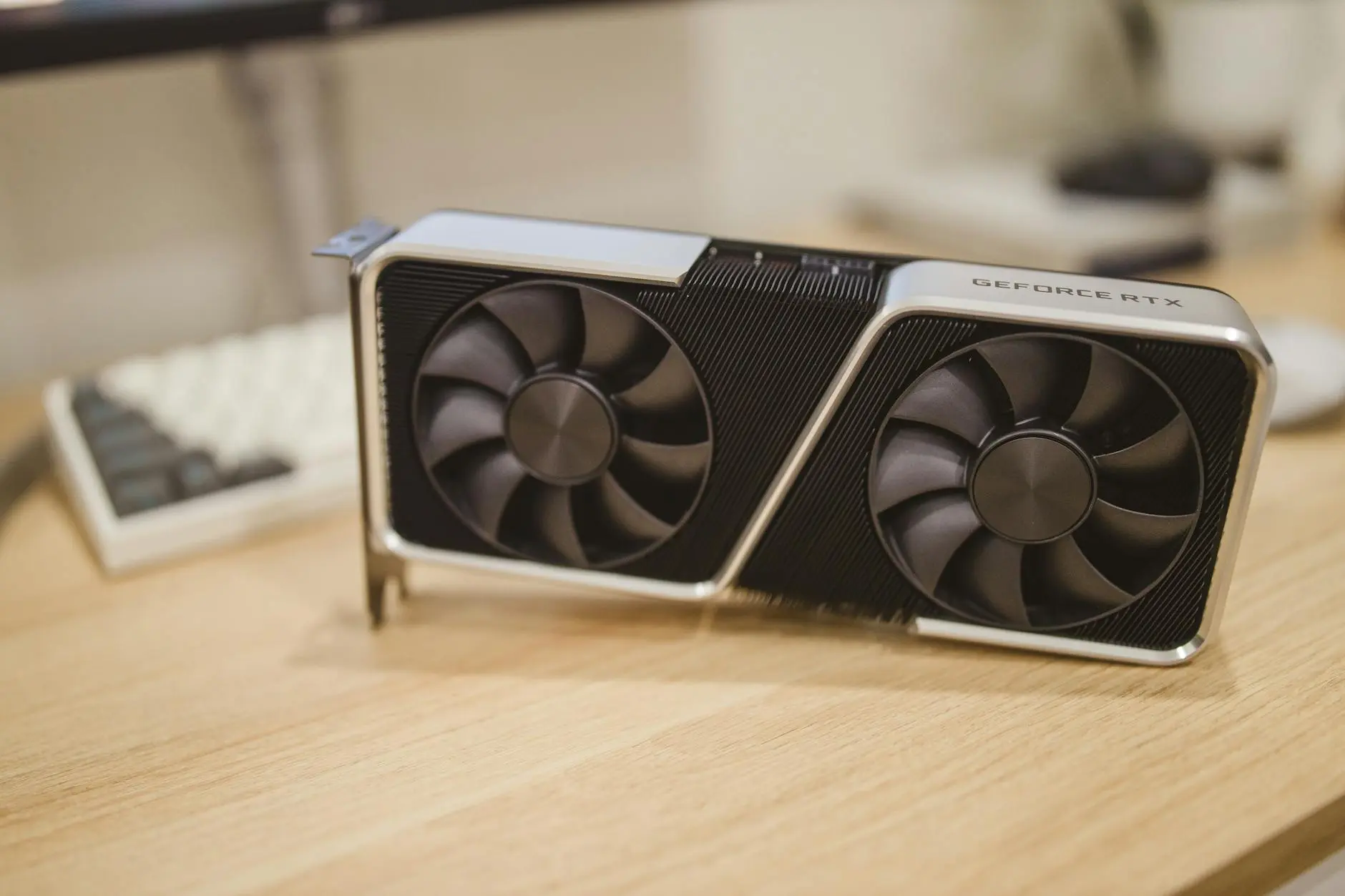
Nvidia Blackwell Rubin technology is set to dominate the AI chip market as CEO Jensen Huang announced a groundbreaking $1 trillion demand forecast at the GTC 2026 Conference in San Jose. The projection represents a doubling of the previous $500 billion estimate and signals unprecedented growth in AI infrastructure spending worldwide. This is according to reporting by TechCrunch on March 16, 2026.
Huang delivered his keynote on March 16, 2026, telling attendees that Nvidia Blackwell Rubin chips are on track to achieve at least $1 trillion in orders through 2027. This massive demand reflects the ongoing AI arms race among tech giants competing to build advanced artificial intelligence systems. The announcement came during the companys annual GTC Conference, the biggest event in the AI hardware calendar.
The $1 Trillion Projection
Now, I dont know if you guys feel the same way, but $500 billion is an enormous amount of revenue, Huang said during his keynote. Well, Im here to tell you that right now where I stand — a few short months after GTC DC, one year after last GTC — right here where I stand, I see through 2027, at least $1 trillion.
The announcement sent shockwaves through the technology sector, reaffirming Nvidias dominant position in the AI chip market. Companies worldwide are racing to secure advanced AI semiconductors to power their next-generation systems. The demand shows no signs of slowing down as more industries adopt artificial intelligence solutions. Learn more about the AI chip revolution on GenZ NewZ. The Nvidia Blackwell Rubin platform represents a significant advancement in AI processing capabilities.
Vera Rubin Performance Breakthroughs
The Vera Rubin chip architecture, first announced in 2024, represents the cutting edge of AI hardware according to Huang. The Rubin processor outperforms its Blackwell predecessor by significant margins. According to TechCrunch, Nvidia stated that Rubin operates 3.5 times faster than Blackwell on model-training tasks and up to 5 times faster on inference tasks, reaching 50 petaflops of performance. More details are available at TechCrunch Rubi.
Production ramp-up is planned for the second half of 2026. The Rubin architecture has been described by Huang as the state of the art in AI hardware. This represents a major leap forward in AI computing capabilities and sets new standards for the industry. The Nvidia Blackwell Rubin lineup continues to set new benchmarks.
AI Race Driving Chip Demand
This massive demand forecast reflects the intense competition among technology giants. Companies including Meta, Google, Microsoft, and Amazon are competing to acquire high-performance AI chips. According to Bloomberg, Meta announced plans to spend up to $27 billion on AI infrastructure from Nebius. Read more at Bloomberg AI Infrastructure.
Nvidias position as the leading AI chip manufacturer has made it central to this technological battle. The $1 trillion figure demonstrates how critical advanced semiconductors have become to the future of technology, from generative AI applications to autonomous systems. More coverage of AI industry news is available on GenZ NewZ. The Nvidia Blackwell Rubin chips are at the center of this transformation.
The Future of AI Computing
The GTC 2026 announcement indicates where the technology industry is headed. As artificial intelligence becomes integrated into healthcare, finance, entertainment, and transportation, demand for powerful computing hardware will continue to grow. Nvidias projections suggest the AI revolution is just beginning. The Nvidia Blackwell Rubin architecture will power future innovations.
The Blackwell and Rubin chips represent the pinnacle of current AI semiconductor technology. Industry analysts are watching closely to see if Nvidia can meet this massive demand while maintaining its technological lead over competitors. The company has already announced plans to ramp up production capacity to meet customer needs.
Nvidia Blackwell Rubin chips will power the next generation of AI applications, from advanced chatbots and autonomous vehicles to scientific research and climate modeling. The $1 trillion forecast demonstrates how fundamentally AI is reshaping our world and the enormous infrastructure investments required to support this transformation.
This announcement marks a pivotal moment in the AI industry. As companies continue to invest billions in AI infrastructure, Nvidia stands to benefit significantly from its leading position in the market. The demand for Blackwell and Rubin chips is expected to remain strong through the end of the decade. Industry experts predict that this is just the beginning of an extended period of growth for the AI semiconductor sector.
The news comes amid heightened interest in AI technology across all sectors of the economy. From startups to Fortune 500 companies, everyone is seeking to leverage artificial intelligence for competitive advantage. Latest analysis shows AI spending will continue to accelerate through 2027.
Comments 0
No comments yet. Be the first to share your thoughts!
Leave a comment
Share your thoughts. Your email will not be published.