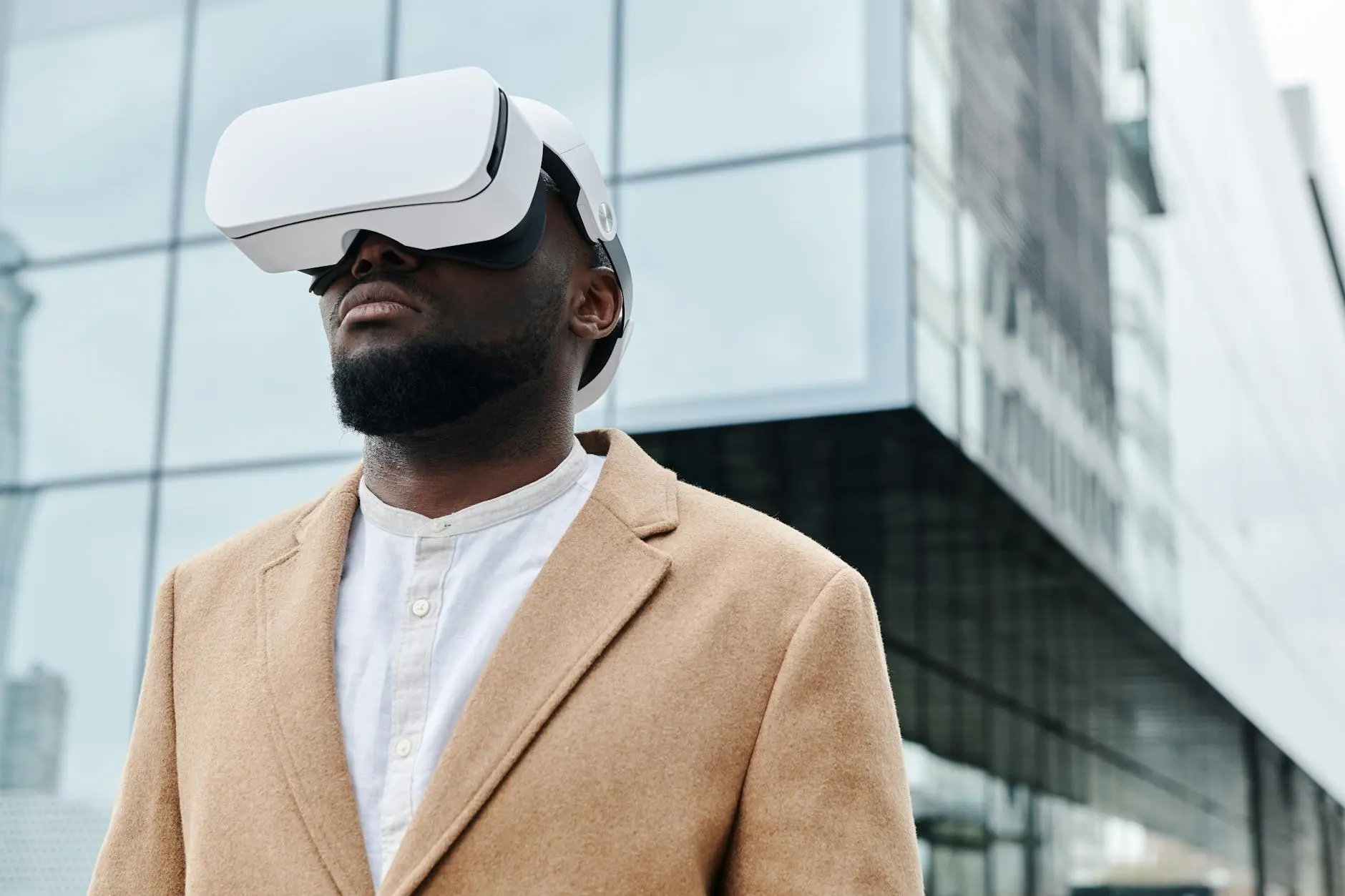
The future is literally staring you in the face. AR glasses 2026 are finally here, and they might actually be good enough to replace the smartphone in your pocket. After years of bulky prototypes and disappointing releases, major tech companies are launching sleek, AI-powered augmented reality glasses that could fundamentally change how we interact with technology.
Snap Inc. made the biggest splash at the Augmented World Expo 2025 when it announced plans to launch its consumer AR glasses, simply called "Specs," in 2026. According to the company's official press release, these lightweight glasses will overlay digital content onto the physical world using AI-enhanced spatial computing. If Snap meets its timeline, it would become the first major tech company to launch true AR glasses for everyday consumers.
The AR Glasses 2026 Race Heats Up
Snap isn't alone in this race. The AR glasses 2026 landscape is becoming incredibly competitive. RayNeo, a leading consumer AR brand, unveiled the world's first eSIM-enabled AR glasses at CES 2026, marking a significant step toward truly standalone devices that don't require a companion phone. Meanwhile, TCL launched the RayNeo Air 4 Pro, positioned as the world's first HDR10-enabled AR glasses, demonstrating that display technology has reached a new level of sophistication.
Google is also getting in on the action with Project Aura, which creates a private AR "monitor" experience with high-resolution OLED panels and AI capabilities built in. The search giant has partnered with companies like Samsung, Gentle Monster, and Warby Parker to create lightweight frames designed for all-day wear. This represents a major shift from the failed Google Glass experiment nearly a decade ago.
What Makes AR Glasses 2026 Different
So what sets this year's AR glasses apart from previous failures? The answer lies in three key areas: form factor, AI integration, and standalone functionality.
For the first time, AR glasses 2026 devices are actually wearable in public without drawing stares or discomfort. Companies have figured out how to pack powerful processors, batteries, and displays into frames that look similar to regular eyewear. Snap's upcoming Specs, for example, represent the culmination of nearly a decade of learning from their Spectacles line, which sold camera-equipped glasses starting in 2016.
AI integration has also reached a tipping point. The new generation of AR glasses can understand what you're looking at and provide contextual information in real-time. Snap highlighted existing AR applications like Super Travel for language translation and Cookmate for recipe guidance as examples of how AI-powered contextual assistance works in practice. Your glasses can now translate foreign language signs, identify objects, and provide hands-free information without you ever needing to pull out your phone.
Perhaps most importantly, these new AR glasses are truly standalone. With eSIM support and powerful onboard processors, you can leave your phone at home and still stay connected, navigate unfamiliar cities, and access digital information overlaid on the real world. According to industry analysts, this independence from smartphones represents the defining feature of the AR glasses 2026 generation.
The Software Behind the Hardware
Hardware improvements mean nothing without great software, and companies know this. Snap recently released Snap OS 2.0, the operating system powering its upcoming AR glasses. The new OS features an overhauled web browser designed to load pages quickly and support video playback for longer content, making it possible to browse news, shop, and watch videos directly from the glasses.
Snap's AR ecosystem already sees 8 billion daily interactions through Snapchat Lenses, with more than 4 million AR filters created by 400,000 developers. This existing infrastructure gives the company a significant advantage when launching consumer AR glasses, as developers are already creating experiences for the platform. The company has also acquired brain-computer interface startup NextMind, potentially paving the way for thought-controlled AR interactions in future versions.
Challenges Ahead
Despite the excitement, challenges remain. Battery life continues to be a limiting factor, with current developer kits offering around 45 minutes of active use. Privacy concerns persist, as wearing AR glasses with cameras in public spaces makes people uncomfortable. Additionally, price points will need to come down significantly for mainstream adoption.
Meta, despite being a leader in the broader XR space, has delayed its high-end mixed reality glasses (codenamed Project Phoenix) from late 2026 to the first half of 2027, according to internal memos. This gives Snap and other competitors a window to establish themselves in the consumer market before Meta enters the fray with its massive resources.
For more detailed coverage of the evolving AR glasses market, check out Glass Almanac for comprehensive reviews and industry analysis. TechCrunch is also tracking the major players and their announcements as the AR glasses 2026 market takes shape.
Are AR Glasses 2026 Worth the Hype?
After nearly a decade of promises, the AR glasses 2026 generation might finally deliver on the vision that Google Glass hinted at back in 2013. With multiple major companies launching consumer products, improved technology, and AI integration that actually adds value, this could be the year augmented reality goes mainstream.
Whether these devices will actually replace smartphones entirely remains to be seen, but they're certainly positioned as the first viable alternative. If you're tired of staring at screens in your hands, 2026 might be the year you start looking up.
Comments 0
No comments yet. Be the first to share your thoughts!
Leave a comment
Share your thoughts. Your email will not be published.