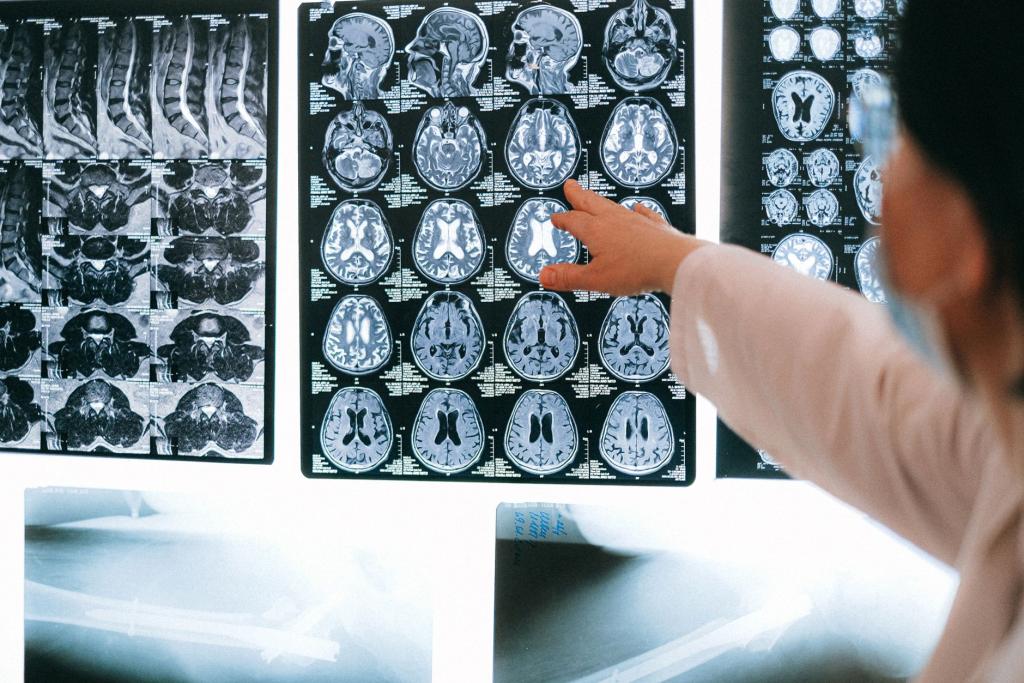
Scientists have identified the specific brain circuits associated with anxiety in adolescents, producing one of the clearest teen anxiety brain maps yet of a condition that affects millions of teenagers. The study, published in the journal Imaging Neuroscience and reported by Medical Xpress on October 12, found that anxiety-related brain alterations were already measurable in young people aged eleven to twelve — pointing to a critical early window for intervention.
The research team mapped both the wiring and the activity of brain networks in adolescents with and without anxiety disorders. They found widespread alterations in the networks of anxious youth, alongside increased "control costs" — the extra neural effort required to manage cognitive tasks. Crucially, the study also identified what protects: the efficiency and resilience of other brain networks appeared to guard against social and generalized anxiety disorders, suggesting that anxiety is shaped not just by vulnerable circuits but by the strength of the brain's compensatory systems.
The findings extend beyond emotion into everyday function. The researchers found structural alterations in youth with anxiety, and linked those alterations to a lower ability to perceive, process, and integrate spatial information — the skill behind navigating spaces, driving a car, assembling furniture, or tying shoes. Teen anxiety brain changes, in other words, may ripple into the practical cognitive skills adolescents rely on every day.
The visuospatial findings add a practical dimension that families and teachers can watch for. Difficulty with navigation, driving, or hands-on assembly may not look like anxiety on the surface, yet the study links these everyday struggles to the same structural alterations — a reminder that teen mental health shows up in behavior far beyond mood, and that support works best when it addresses the whole picture.
What the scans show
For teen anxiety brain research, the study's precision is its breakthrough. Rather than treating teen anxiety as a single diffuse condition, the researchers pinpointed particular circuits implicated in different anxiety profiles — a level of specificity that opens the door to targeted treatments. The work also clarifies why adolescence is such a vulnerable period: the brain's control networks are still maturing, and when anxiety takes hold early, it can reshape the very systems a young person needs to regulate it.
Researcher Catherine Stamoulis, who led the work, said the identified circuits could become targets for precision interventions, and the authors concluded these teen anxiety brain circuits merit priority in future treatment trials designed to improve both short- and longer-term mental health outcomes in youth. "Precision psychiatry is likely to play an important role in future mental health care," she said, framing the study as a step toward treatments tailored to an individual's neural profile rather than one-size-fits-all approaches.
The study also reframes what treatment could look like. If specific circuits drive specific anxiety profiles, interventions can aim at those circuits directly — whether through refined cognitive-behavioral approaches timed to developmental windows, neuromodulation techniques that target network activity, or school-based programs that strengthen the protective networks the researchers identified. Precision psychiatry, in this vision, means matching the intervention to the individual's neural signature rather than prescribing by symptom checklist alone.
That future is still being built, but the direction is clear. Mental health care for young people has long relied on detecting problems after they become visible in behavior; neural markers measurable at ages eleven to twelve offer the possibility of acting before anxiety calcifies into entrenched patterns. For a generation coming of age amid unusual stress, earlier and more precise help could change trajectories.
Why it matters
Anxiety disorders are among the most common mental health conditions in young people, and they often arrive early and persist. Showing that teen anxiety brain alterations are measurable by ages eleven to twelve reframes anxiety as something to detect and address in late childhood, not just manage once it has hardened into adult patterns. For parents, educators, and clinicians, the takeaway is hopeful: an early, specific neural signature means early, specific help is possible. The finding also lands amid growing concern about youth mental health more broadly — from rising loneliness among young people, as covered on GenZ NewZ, to the physical toll of modern stressors explored in GenZ NewZ's reporting on constant food noise. Mapping the circuits is the first step; the next is turning that map into earlier, better care.
Comments 0
No comments yet. Be the first to share your thoughts!
Leave a comment
Share your thoughts. Your email will not be published.