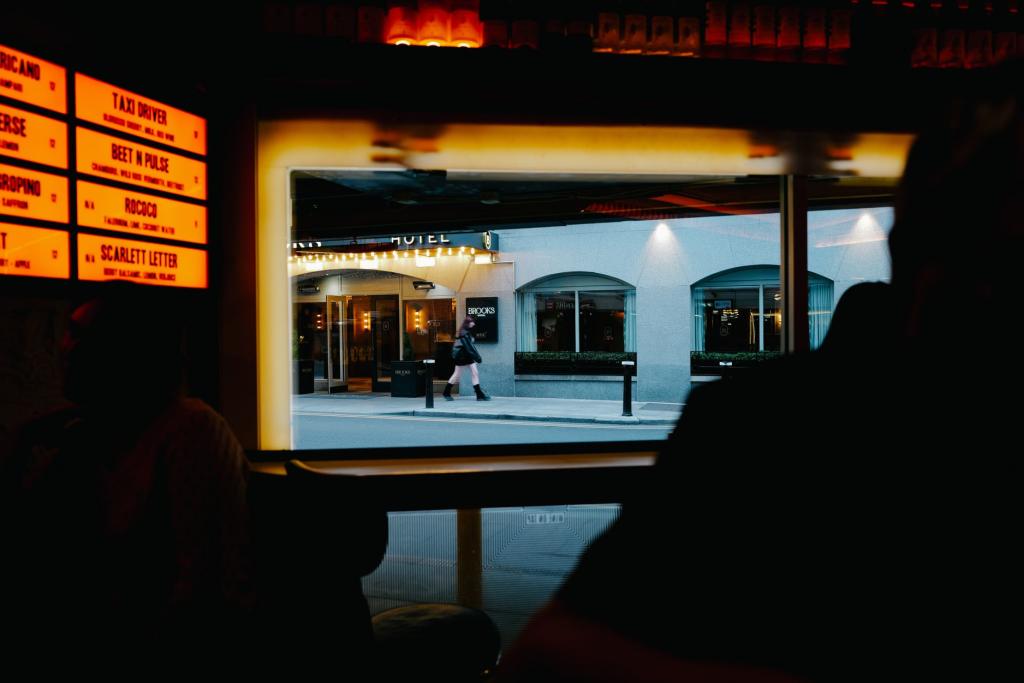
The most admired young people online in 2026 are not the ones chasing the biggest audience. They are the ones who seem impossible to impress — the ones who found the obscure wine bar, the unknown label, the unlisted playlist before anyone else. Welcome to the era of taste over virality, where quiet confidence and a well-formed opinion have replaced follower counts as the real currency of cool.
New research suggests the shift is real, not just a vibe. Writing up fresh Highsnobiety research on the generation's "Cultural Pioneers" — the young culture-setters who define tomorrow's trends — Fitt Insider reports that the cohort is far less predictable than marketers assume. One standout finding: 88 percent of them still socialize around alcohol, even as they drink less overall — a move from bingeing to connoisseurship rather than abstinence.
The personality data is even more striking. More than seven in ten of the trendsetters say their bathroom products and groceries reflect who they are, and 63 percent actively seek out unconventional fragrances — not the designer bestsellers, but strange, personal scents. Their interest, the research suggests, is less about perfection than self-expression. Everything has become a signal, from what sits on the shelf to what goes in the cart.
The same cohort is spending differently. The research describes connoisseurs pouring money into hospitality, fitness, and wellness instead of logos: low-key listening bars, natural wine, indie snacks, and brands most people have never heard of. The throughline is intentionality over virality — showing up selectively instead of being everywhere. And the prediction from the researchers is blunt: as algorithms flatten taste and strip meaning, tomorrow's trendsetters will trade traditional luxury for the niche, local, and unexpected, retreating into closed digital communities and phone-free gatherings where what you know counts more than who is watching.
From maximalism to meaning
Rewind to the early 2020s and the rules were inverted. Main-character energy, get-ready-with-me routines, and haul videos were engineered for maximum distribution; the fastest route to status was a viral moment. Even the backlash cycles were optimized for reach. But by 2026, virality got cheap. When anyone can buy attention and every micro-aesthetic gets flattened into a template within days, being seen everywhere stopped being impressive — being selective started.
The curation economy
Pinterest's annual trend report for 2026 documents the inversion in the data. Nearly one in four users worldwide say they are engaging in more nostalgic activities, from collecting vintage items to reviving childhood hobbies. More than a quarter of Gen Z and Millennial users report rediscovering handwriting and letter-sending, with pen pals far more popular among Singaporean Gen Z than the global average. And nearly four in ten say trends make them feel creative — they are designing identities, not copying aesthetics. "Gen Z is quietly leading a cultural reset," said Ayumi Nakajima, Pinterest's senior director of content partnerships for APAC, in comments reported by Marketing-Interactive, describing users who search "with intention" instead of doomscrolling.
The offline version of the same instinct is everywhere. A Tatler Asia feature on the analog revolt describes 20-somethings in Manila paying for slower experiences — sitting before vintage speakers, watching a stylus trace vinyl grooves they could stream for free. The piece frames it as a structural course correction rather than a trend: a generation that grew up optimized and flattened by screens is throwing an anchor out, choosing physical resistance over frictionless feeds.
Virality isn't dead — it's just demoted
Before the take runs away with itself: virality still works. A single clip still launches music careers, sells out products overnight, and turns nobodies into moguls. The claim here is narrower. For the cultural insiders — the early adopters brands quietly court — being hard to impress is the flex. Virality remains the fastest ticket to fame. Taste has become the ticket to respect.
Building taste in 2026 looks less like an app update and more like a lifestyle, and it starts with small, deliberate moves. Join a closed community where recommendations come from people, not feeds. Go to a phone-free night. Buy from a brand you found in a real store instead of an ad. Highsnobiety's hospitality whitepaper — based on a poll of 260 Gen Zers — found the cohort is "embracing hospitality as perhaps the most valuable way to prove their taste," and Charlotte Coons, a 23-year-old advertising worker quoted in the research, put it more simply: "having the option to slow down is the ultimate signal of luxury." These are the small, deliberate moves behind the taste over virality movement.
The old rule was attention. The new rule is curation — and it turns out the hardest thing to earn in 2026 is not a million views but a discerning nod. For more on this mindset, browse our Hot Takes, and see how the same impulse is driving Gen Z's flip-phone and film-camera revival.
Comments 0
No comments yet. Be the first to share your thoughts!
Leave a comment
Share your thoughts. Your email will not be published.