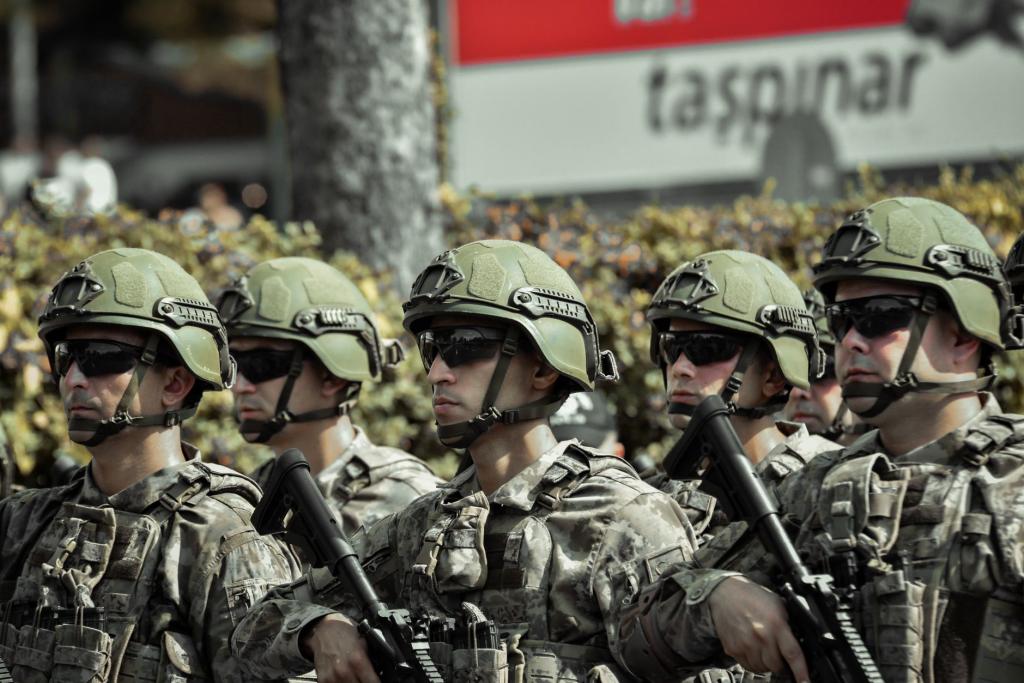
Volodymyr Zelenskyy had a new number for the world on Monday night. More than eight thousand North Korean troops are already on Russian soil, and another ten thousand are being selected for training and shipment to Russia. He cited fresh intelligence from Ukraine's military spy agency, the GUR, and he delivered it as a warning. North Korean troops in Russia are not a footnote to the war anymore. They are becoming the plan.
That is the part nobody in Moscow wants to say out loud. A military that has to rent infantry from Pyongyang is not a military that is winning. Zelenskyy said in his evening address that Russia has effectively started a new round of mobilization, not of its own citizens but of foreigners, and he urged governments whose nationals are being recruited to push back, according to Reuters. Strip out the diplomacy and the message is blunt. Russia is running out of Russians willing to fight, so it is buying North Korean troops instead.
The numbers behind the announcement are worth laying out plainly. Ukrainian and South Korean intelligence estimate that North Korea has sent between fourteen and fifteen thousand soldiers to support Russia since twenty twenty-four, most of them deployed in the Kursk region to help push back a Ukrainian incursion. Zelenskyy warned back in August that the total could eventually reach fifty thousand. In return, he said, Russia is paying Pyongyang with technology. Production of Shahed-type attack drones has been set up inside North Korea with Russian technical help, a claim that has not been independently verified, according to Reuters.
Renting an army is an admission
Countries that are confident about their wars do not import infantry from one of the poorest dictatorships on earth, and they definitely do not do it in ever-larger waves. The first North Korean troops in Russia were treated as a curiosity. The second wave was treated as a transaction. This third wave of North Korean troops is starting to look like a dependency.
The dependency makes sense if you look at it from the Kremlin's side. Every North Korean brigade that deploys is a brigade Russia did not have to raise at home, which means it is also a brigade the Kremlin does not have to explain to Russian families. That is the political logic, and it is easy to see why it appeals to Vladimir Putin. The military logic is thinner. North Korean units arrive with North Korean doctrine, North Korean equipment, and a language barrier that makes combined operations genuinely difficult. Most of the earlier North Korean troops went straight into the Kursk fighting, according to Ukrainian and South Korean estimates cited by Reuters. More bodies do not fix logistics, replace lost armor, or turn a grinding front into a breakthrough.
South Korea is stuck in the middle
There is an awkward subplot here. Zelenskyy's announcement on Monday came days after a public spat with Seoul. Ukraine transferred two captured North Korean soldiers to South Korea last week, and Zelenskyy announced it. Seoul said the transfer was supposed to stay confidential and expressed formal regret. The Ukrainian presidential office denied any such agreement existed, and Seoul protested that denial, according to Reuters.
The fight matters because Zelenskyy needs South Korea. He asked in August for Seoul's help with Ukrainian air defense, and South Korea answered in July with a one hundred million dollar aid package that pointedly excluded lethal weapons. Publicly embarrassing a government you are asking for weapons is a strange tactic. It reads like Zelenskyy decided the diplomacy could wait and the pipeline of North Korean troops in Russia needed to be dragged into the open first.
This is not my first time writing about Pyongyang renting out its people. I previously covered the North Korean student visa labor scheme that funneled workers abroad for hard currency, and the Zelenskyy-Trump meeting that was supposed to sketch a path toward peace. Both stories were about leverage, who has it and who rents it. This story is the same one in uniform. North Korea rents out its people. Russia rents an army.
Wars end when the domestic cost gets too high to hide. The final US troops left Iraq this week after more than two decades, because the bill came due at home. Putin's workaround is to make sure the bill keeps landing somewhere else. Ten thousand more North Korean troops will keep the Kremlin from having to mobilize its own population, which is the one thing he fears more than any sanction. As long as someone else's sons are dying for Russian objectives, the war continues at a political discount. That is not strength. That is outsourcing, and outsourcing is what you do when you cannot do the job yourself.
Comments 0
No comments yet. Be the first to share your thoughts!
Leave a comment
Share your thoughts. Your email will not be published.