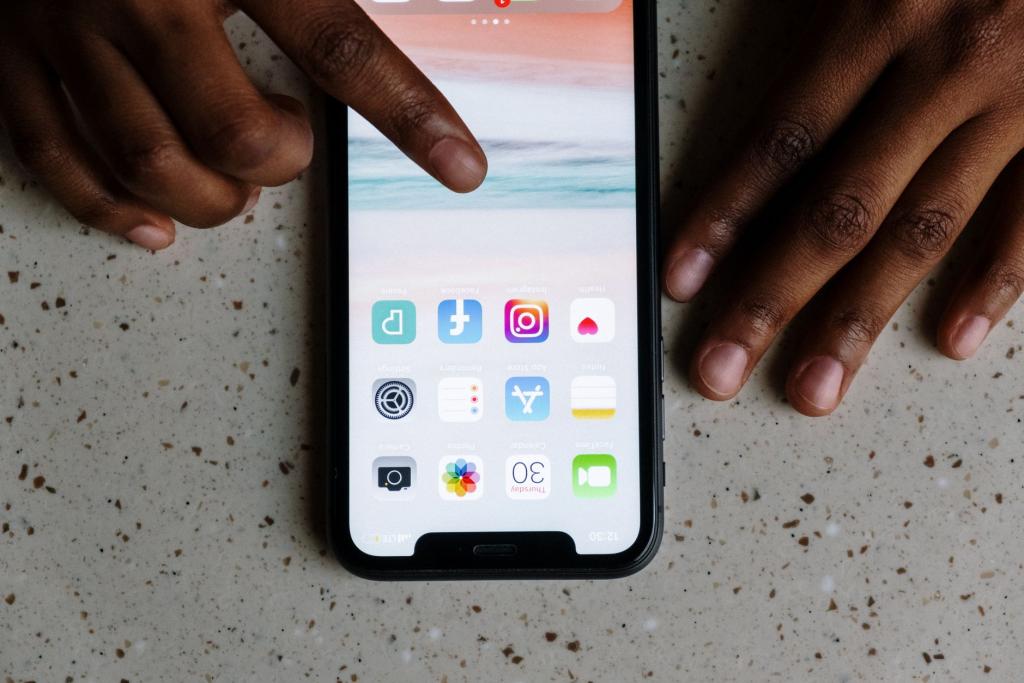
The generation raised on infinite scroll wants out. Nearly two-thirds of Gen Z adults have seriously considered quitting social media — a bigger share than any other generation — and more than four in ten have already deleted an app from their phone. The great log-off isn't a rumor anymore: it's showing up in national survey data, and the numbers are moving in one direction.
The headline figures come from Murmuration's Life in the Digital Age report, released in September 2026 after surveying 7,449 U.S. adults, including an oversample of 3,874 Gen Z respondents. Among Gen Z adults aged 18 to 30, 64% have seriously thought about walking away from social platforms entirely, and 44% have deleted a social media app outright. The impulse isn't limited to the youngest adults: 55% of all Americans say they've considered quitting, and 73% say spending in-person time with friends and family has become more important to them over the past year.
Quitting Social Media Is Easy to Want, Hard to Do
Here's the tension: Gen Z wants to log off, but it also can't. A second annual Youth Report from Pacsun and GlobalData, based on 6,126 respondents ages 11 to 24 surveyed in June 2026, found that 29% of young people now describe themselves as "definitely addicted" to social media — up sharply from 18.8% a year earlier. The desire to leave and the inability to leave are rising at the same time.
According to Murmuration's data, 81% of adults have already taken steps to cut their screen time, but 46% admit they stay on platforms mostly out of habit or boredom. And 74% believe social media encourages performing and curating rather than being authentic — a suspicion that explains why the platforms feel both inescapable and hollow. The hot take writes itself: Gen Z doesn't hate social media. What it resents is that quitting social media feels impossible — discernment is the new rebellion.
The Real Problem: Nowhere to Go
Logging off only works if there's something to log on to — and that's where the story gets structural. Among Gen Z respondents, 61% say affordable places to hang out are harder to find than they used to be, and 43% struggle to find places to meet people casually. The generation that most wants face time has the fewest places to have it.
"We spend our time listening to Americans at scale, and what we're hearing is clear," said Sarah Stamper, Murmuration's chief research officer, in the report's release. "Our research finds that 81% of adults have already taken steps to reduce their screen time, and what they're looking for — is where to go next."
That gap matters for anyone reading this on a phone: the analog revival Gen Z keeps posting about — run clubs, coffee shops, group chats that become real groups — keeps running into a cities problem. Third places, the free or cheap hangout spots between home and work, haven't kept pace with the desire to use them. Quitting social media is framed as a personal decision, but the data suggests it's really an infrastructure one.
The Drawbridge Generation Isn't Going Luddite
Before anyone declares the smartphone era over, the Pacsun data offers a useful counterpoint. Only 5% of Americans describe a healthy relationship with technology as using "little or no technology." The dominant posture isn't rejection — it's curation. The report's authors call this cohort the "drawbridge generation": digitally fluent, selective about what gets across the moat.
That selectiveness shows up in trust patterns, too. Trust is concentrating around family and friends, while influencers never crack 11% trust in any category — and only 2% of young respondents trust AI for fashion advice. Meanwhile financial independence slipped to 34.9% from 41.3% the year before, even as digital engagement intensified. The throughline isn't a rejection of the internet; it's a generation trying to take control back wherever it can.
So no, the great log-off probably won't end with everyone on flip phones. It looks more like deliberate exits: deleting the app that eats two hours a night, keeping the group chat, protecting the group hangout. The hot take about quitting social media that the data actually supports is quieter than "social media is dead" — and more durable: Gen Z is the most online generation ever to log off, precisely because it knows exactly what it's leaving. For more on what's actually filling feeds while all this is happening, see our look at the TikTok trends running your feed this week.
Comments 0
No comments yet. Be the first to share your thoughts!
Leave a comment
Share your thoughts. Your email will not be published.