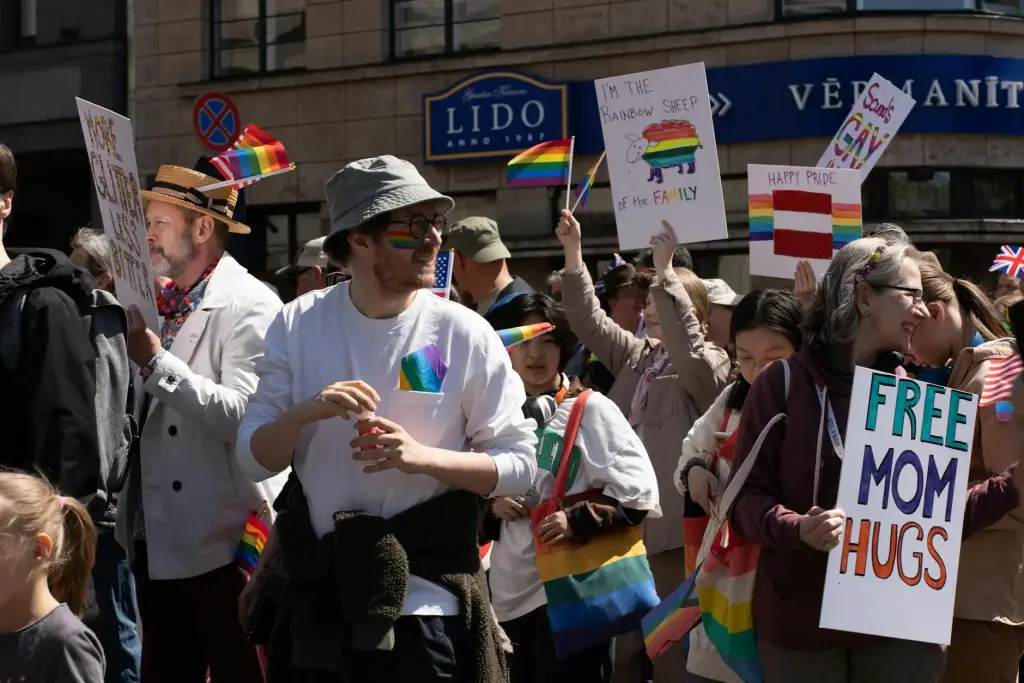
What Just Happened
The Supreme Court just dealt a major blow to LGBTQ+ youth protections in a stunning 8-1 ruling that has activists and medical experts seriously worried. According to NBC News, the court ruled that Colorado's ban on conversion therapy violates the free speech rights of a Christian therapist, potentially unraveling similar protections in more than 20 states across the country. This decision marks the latest in a string of rulings rolling back LGBTQ+ protections while expanding religious expression rights.
Kaley Chiles, a licensed counselor who describes her work as helping clients "pursue truth," challenged Colorado's law after the state banned licensed therapists from attempting to change a minor's sexual orientation or gender identity. The court agreed with her argument that the ban regulates speech, not conduct, making it a First Amendment issue. Justice Neil Gorsuch wrote for the majority that "the First Amendment stands as a shield against any effort to enforce orthodoxy in thought or speech in this country." Colorado's law, he argued, "does not just ban physical interventions, it also censors speech based on viewpoint."
Why This Matters for Gen Z
This ruling hits different for young people because conversion therapy isn't some historical relic, it's a current threat that LGBTQ+ youth still face today. The American Medical Association, American Psychological Association, and American Academy of Pediatrics have all condemned the practice as ineffective and harmful. Research reported by major medical organizations has consistently shown that conversion therapy increases the risk of suicide, depression, and psychological distress among LGBTQ+ people who undergo it. When states passed bans on this practice, they were following the guidance of every credible medical authority in the country.
Justice Ketanji Brown Jackson was the lone dissenter, and she did not hold back in her warning about the consequences. In a rare move, she read her dissent aloud in the courtroom, arguing that the ruling could "usher in an era of unprofessional and unsafe medical care" where therapy is treated as pure speech rather than healthcare. She noted that the decision could put other medical regulations at risk, including informed consent laws that require doctors to explain risks before treatment. "The fallout could be catastrophic," she warned in her written opinion, expressing deep concern about how this precedent might unravel professional standards across the medical field.
The timing of this ruling is particularly significant because it came on the International Transgender Day of Visibility, a day meant to celebrate trans lives. Instead, LGBTQ+ advocates are now scrambling to figure out how to protect youth from a practice that major medical organizations have called "harmful and discredited." Colorado Attorney General Phil Weiser called the decision a "setback for Colorado's efforts to protect children and families from harmful and discredited mental health practices." Polly Crozier, director of family advocacy at GLAD Law, noted that while the ruling changes the legal landscape, conversion therapists who harm patients will still face potential medical malpractice lawsuits.
For Gen Z, this isn't just abstract legal theory. Young people are the primary targets of conversion therapy, with studies showing that many LGBTQ+ youth have been subjected to these practices or know someone who has. The stories of survivors are heartbreaking, filled with accounts of shattered family relationships, lost faith communities, and lasting psychological trauma. While the court's ruling doesn't force anyone into conversion therapy, it removes a layer of protection that prevented licensed professionals from engaging in practices that medical experts agree cause real harm. For a generation that has grown up with more acceptance and visibility, this ruling feels like a significant step backward.
The ruling also fits into a broader pattern of Supreme Court decisions that have rolled back LGBTQ+ protections while expanding religious and free speech rights. Last year, the court backed parents who wanted to opt their kids out of LGBTQ-themed books in schools. The conservative majority has consistently sided with religious challengers in cases involving LGBTQ+ rights and anti-discrimination laws. For young people watching these cases, the message is clear: the legal landscape for LGBTQ+ protections is shifting rapidly, and not in a direction that favors safety or inclusion. The question now is whether state legislatures can find new ways to protect youth, or whether this ruling will open the door to more challenges against LGBTQ+ rights across the country.
Comments 0
No comments yet. Be the first to share your thoughts!
Leave a comment
Share your thoughts. Your email will not be published.