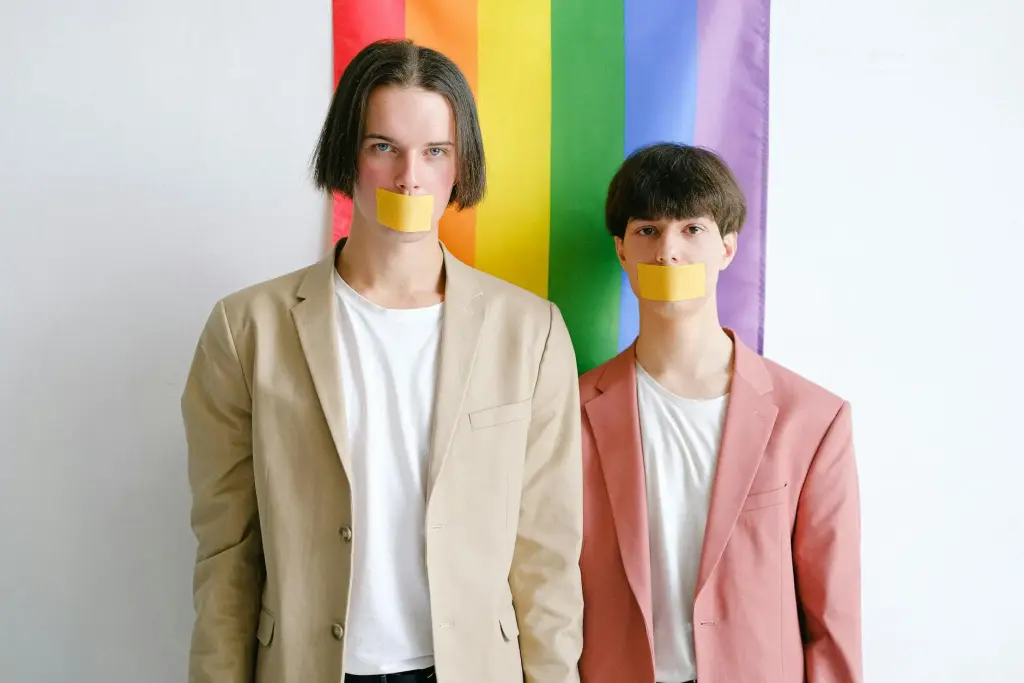
The Supreme Court issued a major ruling Tuesday on LGBTQ+ rights that could affect youth across the country. The Supreme Court conversion therapy ruling struck down a Colorado law that banned so-called "conversion therapy" for minors, siding 8-1 with a Christian counselor who argued the ban violates the First Amendment's protection of free speech.
According to the Associated Press, Colorado is one of about two dozen states that have banned the controversial practice, which aims to change a person's sexual orientation or gender identity. The Supreme Court conversion therapy ruling has major implications for similar laws across the country that were designed to protect LGBTQ+ youth from psychological harm.
What the Supreme Court Conversion Therapy Ruling Means
The Supreme Court conversion therapy ruling doesn't automatically overturn all state bans, but it calls their constitutionality into serious question. The case centered on Kaley Chiles, a licensed counselor in Colorado who works with clients on overcoming what she calls "unwanted same-sex attractions." Chiles argued that Colorado's ban prevented her from having open conversations with clients about their sexuality and faith.
The majority opinion, written by Justice Neil Gorsuch, held that the Colorado law was a content-based restriction on speech that failed to meet the strict scrutiny standard required for such restrictions. The Court found that the law targeted specific viewpoints—namely, the view that sexual orientation or gender identity can or should be changed—while allowing therapists to express opposing viewpoints.
"The government cannot censor speech it disagrees with, even when that speech touches on sensitive topics like sexual orientation and gender identity," Gorsuch wrote for the majority. "The First Amendment does not permit the state to tell professional counselors what they may and may not say to their clients on these subjects."
Major medical organizations including the American Medical Association and the American Psychological Association have discredited conversion therapy, citing extensive evidence of psychological harm to LGBTQ+ youth. These organizations have found that the practice is linked to increased rates of depression, anxiety, and suicidal behavior among young people who undergo it.
The Lone Dissent and What's at Stake
Justice Ketanji Brown Jackson was the sole dissenter, arguing that the Colorado law was a legitimate regulation of professional conduct rather than a restriction on speech. In her dissent, Jackson emphasized the documented harms of conversion therapy and the state's compelling interest in protecting children from harmful medical practices.
"This is a devastating setback for LGBTQ+ youth and their families," said Polly Crozier, director of family law at GLBTQ Legal Advocates & Defenders. "Conversion therapy is a dangerous, discredited practice that puts young lives at risk. Today's Supreme Court conversion therapy ruling puts vulnerable youth in harm's way under the guise of protecting free speech."
For Gen Z LGBTQ+ advocates, the Supreme Court conversion therapy ruling represents a significant blow to state-level protections. The decision could open the door to legal challenges against the roughly 20 other states that have enacted similar conversion therapy bans, potentially leaving LGBTQ+ youth in those states without legal protections from the harmful practice.
Religious liberty groups celebrated the ruling as a major victory for free speech and parental rights. They argue that the decision protects the ability of counselors to provide services consistent with their faith and the desires of clients who seek help with unwanted attractions. These groups have long argued that bans on conversion therapy infringe on the rights of therapists and clients to engage in voluntary discussions about sexuality and gender.
The Supreme Court conversion therapy ruling comes as LGBTQ+ rights face increasing legal challenges across the country. Advocates worry that this decision could embolden challenges to other protections for queer youth, including access to gender-affirming care and inclusive educational materials. The ruling sets an important precedent that could significantly affect how courts evaluate similar regulations of professional speech in the future, potentially impacting a wide range of health and counseling regulations beyond conversion therapy.
Comments 0
No comments yet. Be the first to share your thoughts!
Leave a comment
Share your thoughts. Your email will not be published.