The Sudan civil war, which erupted on April 15, 2023, between the Sudanese Armed Forces and the paramilitary Rapid Support Forces, has created the world's largest humanitarian crisis and displacement emergency. As of early 2026, the conflict shows no signs of resolution, with both factions having transformed into loose coalitions of armed groups exercising de facto control over different regions of a de facto partitioned country. The SAF, led by General Abdel Fattah al-Burhan, controls Khartoum, eastern Sudan, and most central provinces along the Nile, while the RSF, led by Mohamed Hamdan Dagalo, controls the capitals of all five Darfur states and significant territories in Kordofan.
Current Military Situation and Territorial Control
As of early 2026, the military situation reflects a complex stalemate with both sides consolidating territorial control rather than pursuing decisive victory. Recent fighting has centered on the Greater Kordofan region, where the SAF reportedly captured Kadugli, the capital of South Kordofan, and Dilling, the region's second-largest town, both of which had been under RSF siege for nearly two years. The RSF has intensified attacks on El-Obeid, the capital of North Kordofan, while consolidating its hold over Darfur following its capture of El Fasher in Northern Darfur in October 2025.
The RSF capture of El Fasher represented a significant strategic victory, effectively completing its control of Darfur and establishing a platform for potential expansion toward central Sudan. The fall of El Fasher displaced an additional 140,000 people and prompted international condemnation, including UN statements decrying blood on the sand, blood on the hands and the world's failure to protect civilians. More than 60 non-state armed groups are estimated to be involved in the conflict, with many operating as autonomous warlords controlling territory and resources.
Both the SAF and RSF have become increasingly factionalized, with neither exercising effective control over affiliated armed groups. This fragmentation complicates any potential peace process, as agreements with primary factions may not extend to their ostensible allies. The Sudan civil war origins lie in the power struggle between these two military factions following the 2019 revolution that overthrew longtime dictator Omar al-Bashir and the subsequent 2021 coup that derailed the civilian transition.
Historical Context and Roots of Conflict
Sudan's modern history has been marked by prolonged periods of military rule, regional insurgencies, and humanitarian crises. The Darfur conflict, which began in 2003, resulted in hundreds of thousands of deaths and established patterns of militia violence that continue today. The RSF itself evolved from the Janjaweed militias accused of atrocities in Darfur, eventually becoming a formal paramilitary force under al-Bashir's government.
The 2018-2019 revolution, sparked by economic protests that transformed into a nationwide pro-democracy movement, resulted in al-Bashir's removal in April 2019. A power-sharing agreement between civilian and military factions established a transitional government, but tensions persisted over the timeline for military reform and the ultimate transfer of power to civilian authority. In October 2021, the military and RSF staged a coup, dissolving the transitional government and establishing military rule under the State Administrative Council led by General Burhan.
The outbreak of open warfare in April 2023 followed months of escalating tensions between the SAF and RSF regarding the integration of the paramilitary force into the regular military structure, a key requirement of the civilian transition that both sides had previously accepted but neither genuinely pursued. The Sudan civil war quickly spread from Khartoum across the country, drawing in numerous allied and autonomous armed groups.
Humanitarian Catastrophe and Displacement Crisis
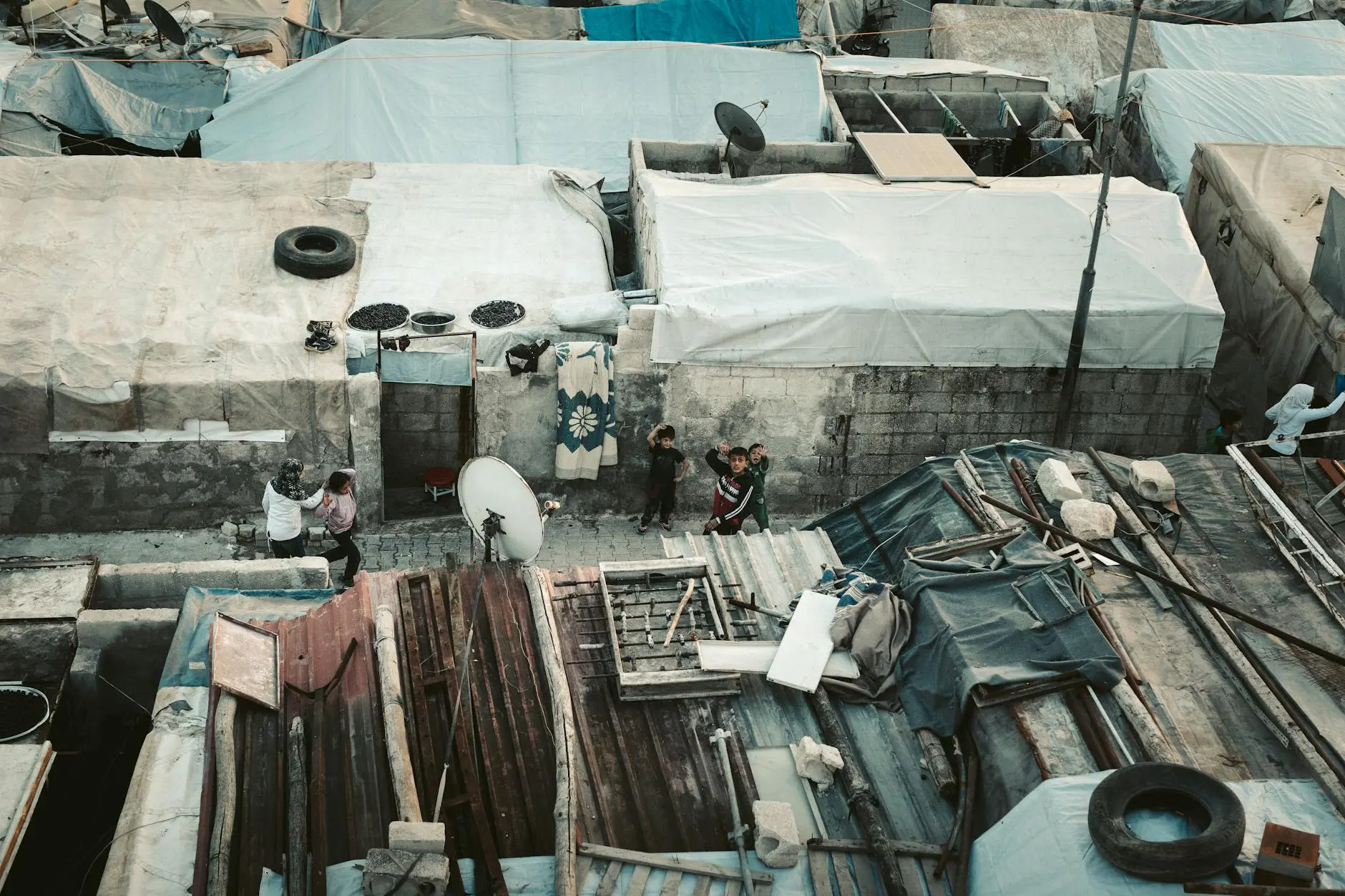
The humanitarian catastrophe in Sudan is of staggering proportions. As of early 2026, an estimated 33.7 million people, approximately two-thirds of Sudan's population, require humanitarian assistance. Over 25 million people face acute hunger, with 637,000 classified as being on the brink of famine. More than 12.5 million people have been forcibly displaced since April 2023, including approximately 8.9 million internally displaced and over 4 million refugees and asylum seekers in neighboring countries including Chad, Egypt, South Sudan, Ethiopia, and the Central African Republic.
The UN has described Sudan as experiencing both the world's largest humanitarian crisis and the world's largest displacement crisis. The International Organization for Migration warned in November 2025 that humanitarian operations are now on the brink of collapse. Warehouses are nearly empty, aid convoys face significant insecurity, and access restrictions continue to prevent the delivery of sufficient aid.
Mass atrocities have been documented across the conflict zones, including unlawful killings, sexual violence, and the targeting of civilian infrastructure including schools and hospitals. The WHO reports that 671 attacks on Sudan's healthcare system have been identified since fighting began, with at least 173 health workers killed and 83 arrested. Sudan also represents the world's largest child displacement crisis, with UNICEF estimating that 5 million children have been displaced since April 2023.
Regional Proxy Dynamics and Geopolitical Implications
The Sudan civil war has significant regional and international dimensions that complicate prospects for resolution. External actors have provided vital political, financial, and military support to both factions: Egypt and increasingly Saudi Arabia have sponsored the SAF, while the UAE supports the RSF despite official denials. The growing rift between Saudi Arabia and the UAE has transformed the Sudan war into an intense proxy competition, with regional implications extending across the Horn of Africa and Red Sea region.
Regional security has become increasingly volatile as the conflict spills across borders. Chad has become increasingly enmeshed as a critical supply line for the RSF. South Sudan's civil war has reignited, while tensions between Eritrea and Ethiopia have escalated, with clashes between Ethiopian federal troops and Tigray forces in January 2026 representing the most serious violence since the 2022 peace agreement. There are growing fears of direct clashes between Burundi and Rwanda, with both governments accusing the other of supporting rebel groups.
Diplomatic efforts have intensified but achieved limited results. The Quad, comprising the United States, Egypt, Saudi Arabia, and the United Arab Emirates, has advanced a peace roadmap, though contradictions among its members have undermined effectiveness. A donor conference co-hosted by the United States and UN OCHA in February 2026 raised $1.5 billion in pledges, including $200 million from the U.S. and $500 million from the UAE, but this remains insufficient to address the scale of need.
As reported by the United Nations and the International Crisis Group, the Sudan civil war threatens to create a failed state at the crossroads of Africa and the Middle East, with implications for migration, terrorism, and regional stability that will persist for decades. The African Union has maintained Sudan's suspension following the October 2021 coup, refusing to recognize either military faction as legitimate.
Comments 0
No comments yet. Be the first to share your thoughts!
Leave a comment
Share your thoughts. Your email will not be published.