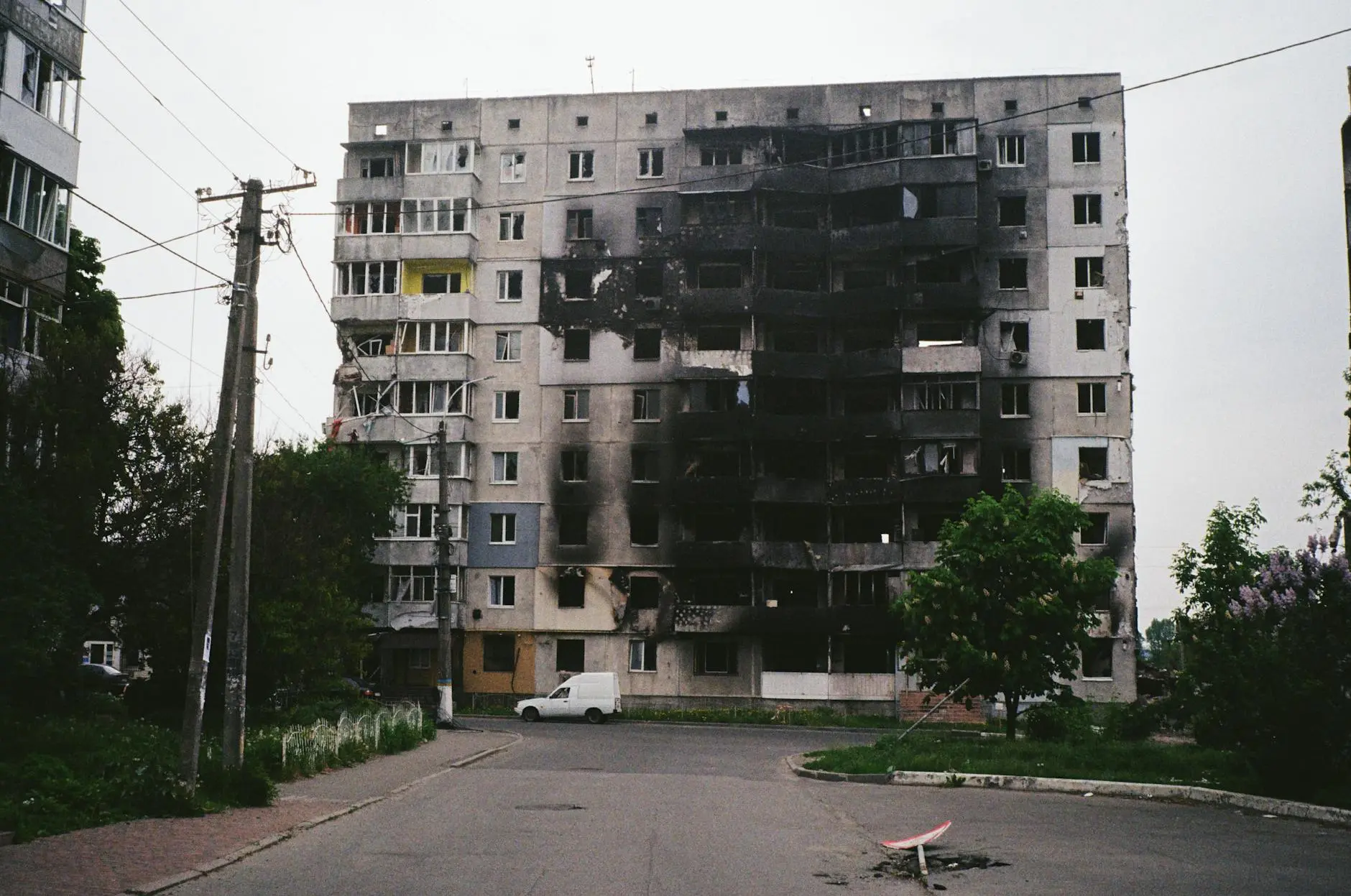
The Russia-Ukraine war has entered its fifth year, marking one of the most protracted and devastating conflicts in contemporary European history. What began on February 24, 2022, as an anticipated rapid military operation has transformed into a grinding war of attrition spanning more than 700 miles of frontline territory. According to the United Nations Human Rights Monitoring Mission in Ukraine, 2025 was the deadliest year for Ukrainian civilians since the invasion began, with 2,514 people killed and more than 12,000 injured. This represents a 30% increase from 2024 and a 70% increase from 2023, demonstrating the escalating brutality of the conflict and its devastating impact on civilian populations.
Current Frontline Situation and Military Developments
As of early 2026, the military situation reflects a complex balance of localized Ukrainian tactical successes against broader Russian territorial control. In late February 2026, Ukrainian forces achieved their most significant territorial gains since the Summer 2023 counteroffensive, regaining control of over 400 square kilometers and eight settlements in the Oleksandrivka direction at the junction of Zaporizhzhia and Dnipropetrovsk regions. Ukrainian Commander-in-Chief Oleksandr Syrskyi reported these advances as part of focused operations to push back Russian forces in areas where previous Russian advances had met limited resistance.
However, these Ukrainian gains represent exceptions rather than trends across the broader frontline, where Ukrainian forces maintain primarily defensive postures aimed at slowing Russian advances. Russian forces continue to control approximately 20% of Ukrainian territory, including Crimea and substantial portions of the Donbas region. The Institute for the Study of War reports that Russian progress has been further complicated by communications disruptions following SpaceX move to cut Russian access to Starlink satellite terminals and the Russian government decision to block the Telegram messenger application, both of which had served as crucial communication tools for Russian forces.
The conflict has evolved through multiple phases since the initial invasion. The first phase involved Russia failed attempt to capture Kyiv, followed by a shift in focus to eastern and southern territories. Ukraine successful counteroffensives in late 2022 reclaimed significant territory, but the current phase is characterized by attritional warfare featuring extensive trench systems, massive minefields, and the prominent use of drone technology on both sides. According to military analysts, this phase favors the side with greater manpower and industrial capacity, giving Russia certain advantages despite Western sanctions.
Diplomatic Efforts and Peace Negotiations
Diplomatic efforts have yielded no breakthroughs in the quest for peace. U.S.-brokered peace talks held in Switzerland in February 2026 ended without agreement, with Russia continuing to insist on Ukrainian recognition of its territorial gains and Ukraine maintaining its position that any settlement must restore full territorial integrity including Crimea. The Kremlin reportedly expects the conflict to continue at least until the September 2026 State Duma elections, suggesting no near-term resolution is anticipated by Russian leadership.
The primary actors in this conflict include the Russian Federation, led by President Vladimir Putin, who frames the invasion as a defensive operation to protect Russian-speaking populations and counter NATO expansion. Ukraine, led by President Volodymyr Zelenskyy, seeks to restore its full territorial integrity including Crimea and the Donbas region. A coalition of Western nations continues providing military, economic, and humanitarian support to Ukraine, though the scale and nature of this support have fluctuated over time amid changing political circumstances in donor countries.
The roots of the current conflict extend far beyond the 2022 invasion. Russia 2014 annexation of Crimea and support for separatist movements in eastern Ukraine Donetsk and Luhansk regions established the immediate precedent for the full-scale invasion. The Minsk agreements of 2014 and 2015, intended to resolve the Donbas conflict, ultimately failed to achieve lasting peace, with both sides accusing the other of violations. The United Nations General Assembly condemned the invasion by an overwhelming majority, rejecting Russia justifications for the military action.
Humanitarian Catastrophe and Civilian Impact
The human cost of the Russia-Ukraine war has been staggering and continues to escalate. According to research from the Center for Strategic and International Studies, Russian losses as of January 2026 include approximately 325,000 fatalities and 875,000 wounded or missing. Ukrainian casualties are estimated at between 500,000 and 600,000, with 100,000 to 140,000 fatalities. These figures represent an enormous human toll that will have lasting demographic and social consequences for both nations for generations to come.
The UN mission head noted in January 2026 that the sharp increase in long-range attacks has meant that the consequences of the war are now felt by civilians far beyond the front line. The civilian population has experienced massive displacement, with millions of Ukrainians having fled the country as refugees and millions more internally displaced. Critical infrastructure has sustained severe damage, particularly Ukraine energy infrastructure, which has been systematically targeted by Russian long-range strikes. Despite these attacks, Ukrainian forces have demonstrated remarkable resilience in maintaining essential services, though civilian populations have endured extended periods without electricity, heating, and water during harsh winter months.
International humanitarian aid continues to flow into Ukraine, though the scale of need remains immense. The United Nations and numerous international organizations maintain operations providing food, medical care, shelter, and psychosocial support to affected populations. However, access to Russian-occupied territories remains severely restricted, leaving the humanitarian situation in those areas largely unmonitored and unaddressed. Organizations like the International Committee of the Red Cross continue to call for greater access to all affected populations regardless of which side controls the territory.
Global Economic and Geopolitical Implications
Russia has reportedly spent over $2.5 trillion on the war, exceeding its entire annual GDP of $2.2 trillion according to economic analysis. This figure includes $845 billion in human capital losses from fatalities alone. Equipment losses are valued at $125 billion, with 12,000 tanks, 24,000 armored fighting vehicles, and 400 aircraft destroyed. The cumulative GDP loss since 2022 has reached $1.124 trillion, driven by labor exodus, frozen assets totaling approximately $340 billion, and monetary pressures including 9.5% inflation and 20% interest rates.
The conflict has fundamentally reshaped European security architecture and global alliances. NATO has experienced a revitalization, with Finland and Sweden joining the alliance, directly contrary to Russia stated objective of preventing NATO expansion. The European Union has imposed unprecedented sanctions on Russia, though the effectiveness of these measures remains debated. Western sanctions have restricted Russia access to international financial markets and advanced technology, though Russia has adapted through trade relationships with China, India, and other non-Western nations.
The war has accelerated trends toward economic fragmentation, with discussions of de-risking supply chains and reducing dependencies on authoritarian regimes. Ukraine, historically one of the world largest grain exporters, has faced significant challenges maintaining agricultural exports, contributing to food price volatility in developing nations. European energy markets have undergone dramatic restructuring following the reduction of Russian natural gas supplies, accelerating transitions to renewable energy and alternative suppliers.
As reported by the United Nations and the International Crisis Group, the conflict shows no signs of resolution. The international community continues to grapple with how to support Ukraine while preventing wider escalation, balancing humanitarian concerns with geopolitical realities in what has become one of the defining conflicts of the 21st century. The path to peace remains uncertain, with both sides maintaining fundamentally incompatible positions regarding territorial sovereignty and security arrangements.
Comments 0
No comments yet. Be the first to share your thoughts!
Leave a comment
Share your thoughts. Your email will not be published.