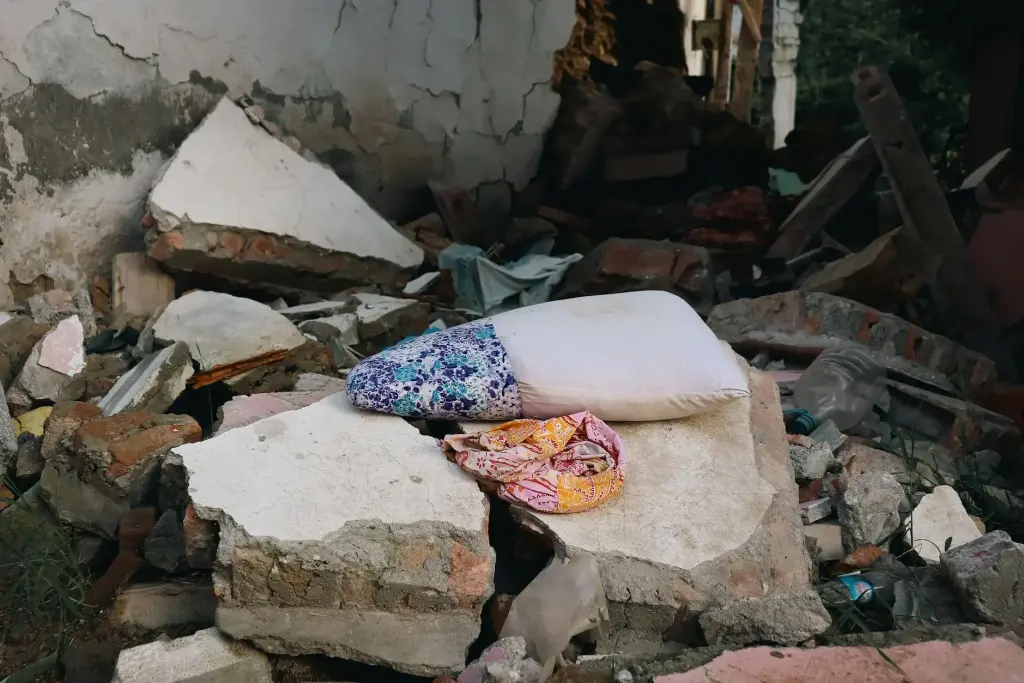
The conflict between Israel and Hamas, which escalated dramatically following Hamas October 7, 2023 attack on Israeli communities, continues to devastate the Gaza Strip and reverberate throughout the Middle East region. As of early 2026, the situation remains characterized by a fragile ceasefire punctuated by periodic violations, an unprecedented humanitarian crisis affecting the entire Gazan population, and complex diplomatic maneuvering involving multiple regional and international actors. The conflict has evolved through multiple phases, including a devastating Israeli military campaign, a brief ceasefire in early 2025, renewed hostilities, and the current uneasy truce established in October 2025.
Current Situation and Ceasefire Developments
The conflict has proceeded through several distinct phases of ceasefire and renewed hostilities. A ceasefire agreement mediated by the United States, Egypt, and Qatar was announced on January 15, 2025, structured in three phases. The first phase, lasting six weeks, included cessation of hostilities, phased release of 33 Israeli hostages, release of approximately 1,900 Palestinian prisoners, Israeli withdrawal from populated areas of Gaza, and increased humanitarian aid to 600 trucks daily. However, negotiations for the second phase stalled, and on March 18, 2025, Israel launched surprise airstrikes breaking the ceasefire, citing Hamas refusal to release additional hostages.
In October 2025, U.S. President Donald Trump announced that Israel and Hamas had agreed to a new ceasefire as part of a broader twenty-point peace framework. Under this agreement, Hamas committed to releasing all Israeli hostages within three days, and Israel eased restrictions on aid convoys. Despite periodic accusations of violations from both sides and skirmishes causing over two hundred casualties, the ceasefire has largely held. Mediators including the United States, Qatar, Saudi Arabia, and Turkey continue pushing for implementation of the framework second phase, which would bring a formal end to the war and address postwar reconstruction.
The primary actors include Israel, led by Prime Minister Benjamin Netanyahu, which frames its operations as necessary self-defense against a terrorist organization and seeks the return of all hostages held by Hamas. Hamas, the Gaza-based militant group designated as a terrorist organization by multiple countries, governs Gaza and launched the initial attack. Regional actors including Egypt, Qatar, Saudi Arabia, and Iran exert significant influence over the conflict trajectory through their relationships with the primary parties.
Historical Context and Escalation
The Israel-Gaza conflict exists within the broader context of the Israeli-Palestinian dispute, which has persisted since the establishment of Israel in 1948 and encompasses competing claims to territory, resources, and national self-determination. Hamas, an Islamist political and militant group founded in 1987 during the First Intifada, gained control of the Gaza Strip in 2007 following internal Palestinian political conflict, leading to Israel and Egypt imposing a blockade on the territory that significantly restricted the movement of people and goods.
The October 7, 2023 attack represented the most significant escalation in the Israeli-Palestinian conflict in decades. Hamas fighters breached the Gaza-Israel border, attacked Israeli military installations and civilian communities, killed more than 1,300 people, injured 3,300, and took approximately 250 hostages. Israel responded with a declaration of war and launched a comprehensive military campaign in Gaza aimed at dismantling Hamas and recovering the hostages. The subsequent military operations have included ground offensives in multiple phases targeting different areas of Gaza, including Khan Younis, Rafah, Jabalia refugee camp, and Gaza City.
Humanitarian Catastrophe in Gaza
The humanitarian situation in Gaza represents one of the most severe crises of the 21st century. According to the Hamas-controlled Gaza Health Ministry, the war has resulted in more than 70,000 Gazan deaths. Israel maintains that Hamas tactics of embedding fighters in civilian areas contribute to civilian casualties, while international organizations have documented extensive damage to civilian infrastructure including hospitals, schools, and residential areas.
As of August 2025, 1.9 million Gazans, approximately 90% of Gaza population, were displaced and facing acute or catastrophic food shortages. A famine was officially declared by the Integrated Food Security Phase Classification in the Gaza Governorate on August 22, 2025, the first such determination in over seven years. At least 94% of Gaza hospitals are damaged or destroyed, with only 2,000 available hospital beds across the entire territory. The healthcare system has effectively collapsed, with specialist care including cardiac surgery and orthopedics severely limited or halted entirely.
The water crisis affects all of Gaza, with dehydration causing serious illness, particularly among children. Infectious diseases including vomiting, diarrhea, and hepatitis spread rapidly in overcrowded shelter areas. The education system has been devastated, with the majority of school-age children lacking access to formal education. The long-term developmental impacts on an entire generation of Gazan children will persist for decades. International humanitarian organizations, including the International Committee of the Red Cross and Palestine Red Crescent Society, operate under extremely challenging conditions to provide medical care, food, water, and shelter.
Regional Power Dynamics and Geopolitical Implications
The Israel-Gaza conflict has significantly reshaped regional dynamics and international alliances. The conflict has strained Israel relationships with traditional allies, particularly following controversial statements by U.S. officials regarding the potential relocation of Gaza population, a proposal rejected by neighboring countries including Egypt, Jordan, and Saudi Arabia, and condemned by UN Secretary-General Antonio Guterres as risking any form of ethnic cleansing.
In a significant regional development, Israel conducted extensive military operations against Iran in June 2025, bombarding Iranian military infrastructure and, with U.S. assistance, severely damaging Iran nuclear program and diminishing its air defense and missile capabilities. This operation reduced Iran ability to support allies including Hamas and was characterized by Israeli leadership as opening many opportunities for negotiations.
Saudi Arabia has emerged as a key player in mediation efforts, though the widening rift between Saudi Arabia and the United Arab Emirates has complicated coordinated regional responses. Turkey has taken an increasingly prominent role, convening Muslim-majority states in November 2025 to discuss a draft UN resolution that would grant the United States and partner countries a mandate to govern Gaza through an international force, with control transitioning to a reformed Palestinian Authority by 2027.
As reported by the United Nations and the International Crisis Group, the conflict continues to influence global discourse on international humanitarian law, the protection of civilians in armed conflict, and the responsibilities of occupying powers. International criminal proceedings, including investigations by the International Criminal Court, continue to examine allegations of war crimes by all parties to the conflict. The path to lasting peace remains uncertain, with fundamental disagreements over territory, security, and governance continuing to block comprehensive resolution.
Comments 0
No comments yet. Be the first to share your thoughts!
Leave a comment
Share your thoughts. Your email will not be published.