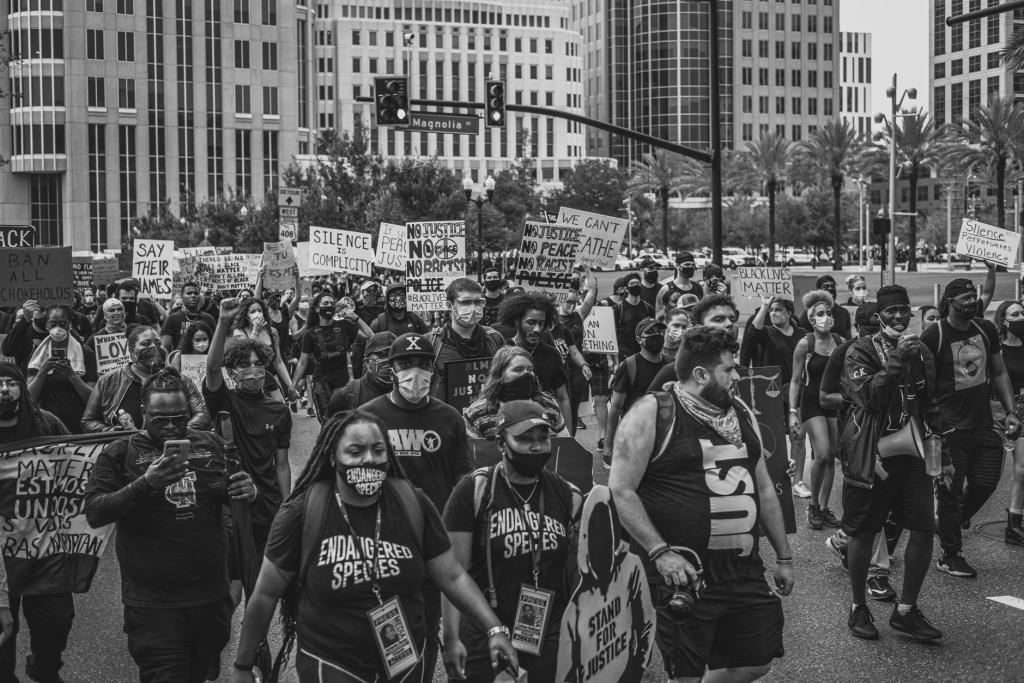
Student walkouts are spreading across the country as young people respond to a sexual assault case at Cornell University that has drawn national attention. On October 8, 2026, students joined a coordinated National Day of Action against sexual violence, with organizers reporting more than a hundred and fifty events across more than forty states, according to WCBM. Students on more than fifty campuses walked out of class as part of the effort, which organizers titled the #StopSexualViolence National Day of Action. The demonstrations were organized by Women's March, Feminist, Feminist Generation, and me too International, the report said.
At the center of the student walkouts is a lawsuit filed in September 2026 by a former Cornell student, named in court documents only as Jane Doe. The suit alleges she was sexually assaulted by seven members of Cornell's Chi Phi fraternity in October 2024, according to the Daily Bruin. The university's disciplinary process ended with two of the men expelled and two more suspended, while the rest received no-contact orders or were told to study sexual assault and write reflective essays, as reported by the Daily Bruin. None of the accused have faced criminal charges, and all have denied wrongdoing, according to the same report. The Chi Phi chapter has been barred from campus.
On Cornell's own campus, the student walkouts have been matched by sustained organizing. On October 7, 2026, Cornell's Black Students United and the campus NAACP chapter held a sit-in at the Toni Morrison Dining Hall alongside a campus-wide economic blackout, an initiative they called "Zero Day," according to the Cornell Daily Sun. The sit-in's length was chosen "for the seven hours she endured," the organizers said in their announcement, as reported by WAMC. The blackout asked students to skip class and halt spending across campus, the Cornell Daily Sun reported.
The sit-in followed a "Justice for Survivors" protest on Ho Plaza earlier in the week that drew thousands of students, according to the Cornell Daily Sun. A coalition of campus groups released a list of demands including mandatory sexual assault prevention training for students, trauma-informed training for campus police, and minimum sanctions for sexual assault, as reported by WAMC. The groups also called for an external review of the university's administration, a demand echoed by Senator Chuck Schumer and Governor Kathy Hochul, according to the Cornell Daily Sun.
A Ten-Day Wave of Student Walkouts
The student walkouts began well before the national day of action. On October 2, 2026, students from Fremont High School, Homestead High School, and Sunnyvale Middle School walked out during lunch and marched three miles to the Sunnyvale Civic Center, according to El Estoque. The protest was organized by two freshmen, Lilliana Smith of Fremont High School and Melissa Flores of Homestead High School, after they learned about the case's disciplinary outcomes, the student paper reported. A district administrator who observed the march told El Estoque the turnout reflected a shared concern among local youth.
During the October 2026 day of action, the student walkouts reached some of the country's largest campuses. At the University of California, Los Angeles, hundreds of students gathered in Bruin Plaza, according to the Daily Bruin. Organizers there demanded a review of UCLA and campus police policies for reporting and investigating sexual assault, mandatory in-person prevention training, and restored federal Title IX protections, the paper reported.
The most recent of the student walkouts took place on October 12, 2026, when more than two hundred students walked out of Piner Junior-Senior High School in Santa Rosa, California, a day after the football team's captain posted a message of support for the accused students on Instagram, according to WUTV29. The school later forfeited its football game against Archie Williams High School after injuries left the team with too few healthy linemen to play, the station reported.
Demands Versus the University's Response
The student walkouts share a common target: the way Cornell handled the case. Student organizers want the university to rewrite its sexual misconduct policy, require prevention training, and impose minimum sanctions for sexual assault, as reported by WAMC. They have also pushed for an independent review of the administration's decisions.
Cornell, for its part, has announced several steps. On October 6, the university said it had retained former acting U.S. Attorney General Sally Yates to review its sexual assault policies and procedures, according to WCBM. President Michael Kotlikoff called the assault allegations "deeply disturbing" and "a defining moment" in Cornell's history, according to the same report. The university did not respond to a request for comment from WSKG, according to WAMC.
Separately, Governor Kathy Hochul appointed New York Attorney General Letitia James as special prosecutor to examine potential criminal charges, after saying she had lost faith in the local district attorney's handling of the case, according to WCBM. No criminal charges have been filed.
What Happens Next
Both the Yates review and the attorney general's probe are ongoing, and organizers say the student walkouts are part of a longer push for change. Student-led walkouts have become a recurring way for young people to demand accountability from schools, as seen in recent walkout coverage, and youth activists show no sign of standing down.
According to the Daily Bruin, students affected by sexual violence can reach the National Sexual Assault Telephone Hotline, run by RAINN, which offers confidential support around the clock.
Comments 0
No comments yet. Be the first to share your thoughts!
Leave a comment
Share your thoughts. Your email will not be published.