On Tuesday, October 13, French high schools will brace for another day of blockades, marches and tear gas. The students at the center of it are mostly between fifteen and eighteen years old. They started walking out over empty classrooms and crumbling buildings, and after a month of confrontations with police, the French student protests have already forced the government into concessions it once dismissed. The students say it is not enough, and tomorrow is their next test.
The movement began September 17 in the suburbs of Paris, where students protested overcrowded classrooms, teacher shortages and decaying facilities. It spread fast. Within two weeks, school gates were being chained shut in Lyon, Marseille, Nantes and Rennes, and the French student protests had become the biggest youth mobilization France has seen since the school climate strikes.
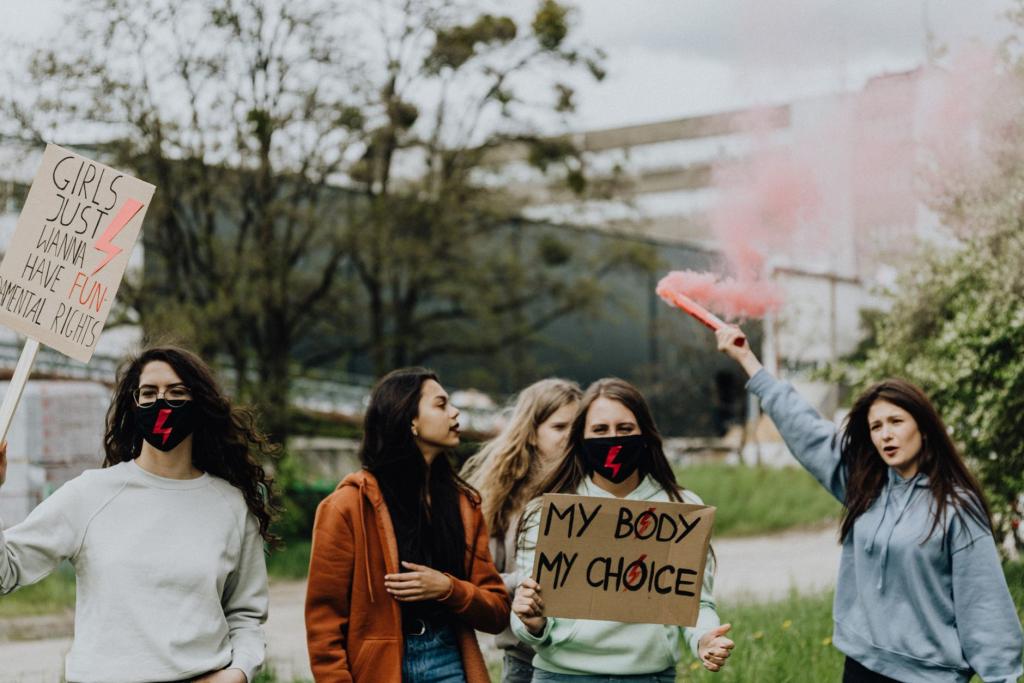
October 6 marked the peak so far. Reuters reported that students, teachers and parents marched together in cities across the country, with protesters blockading hundreds of schools in what the wire service called the biggest day of action in the wave of demonstrations. The High School Students Union said one thousand eight hundred high schools were blockaded or closed that day. The Interior Ministry estimated two hundred fifty-six thousand demonstrators nationwide, including fifty-six thousand in Paris, while organizers claimed four hundred fifty thousand nationwide and one hundred thousand in the capital. Reuters's account of the biggest day of action described youngsters carrying smoke flares and placards reading "Under our school books, anger" and "Where are the politicians? Do they even know we exist?"
Two days later came another national day of action in the French student protests. On Thursday, October 8, about 71500 people took part in protests nationwide, including 24500 in Paris, the Interior Ministry said, and police arrested more than 500 people. In Paris, students gathered at the Place de la Bastille, where police fired tear gas and a water cannon at the crowd, according to press reports from the scene. Students carried signs reading "Too young to be listened to, but old enough to be tear-gassed," "More money for repression than for our education" and "Who protects us from the police?"
The violence that turned the tide
On Monday, a fifteen-year-old in northern France lost his hand and part of his lower arm after picking up a police dispersal grenade, the regional newspaper La Voix du Nord reported. Another student had his jaw shattered by a stun grenade. After days of criticism of police tactics, the government suspended the use of stun grenades at demonstrations, and police are investigating eighteen alleged cases of misconduct within their own ranks.
Injuries have piled up on every side. Since September 28, two hundred fifteen students, eighty-nine teachers, and seven hundred sixty-one police officers and gendarmes have been injured, Prime Minister Sébastien Lecornu said. On Thursday, 375 schools were fully or partially closed, and about two dozen were set on fire or destroyed, authorities said.
Since the French student protests began, more than 6800 people have been detained, the justice ministry said on Friday, with minors making up eighty-six percent of those held. The standoff echoes other youth-versus-government fights, including Canada's La Rose climate trial, where young people took Ottawa to court over climate inaction.
What the government offered
After a month of French student protests, Paris is now negotiating with teenagers. That same week, Education Minister Édouard Geffray told TF1 that three thousand substitute teachers would be deployed between October 9 and October 13 to roughly one hundred of the high schools hit hardest by shortages. He authorized regional education authorities to recruit additional teachers beyond existing staffing limits, and said the measures would cost tens of millions of euros.
The government also opened a national consultation. A platform called Agora, launched October 5, lets high school students submit anonymous complaints and proposals until October 23. About sixty-six thousand contributions had arrived, Geffray said, and the government named five priorities for reform: replacing absent teachers, improving school buildings, reorganizing school schedules, making the Parcoursup university admissions system more transparent, and giving students a greater role in decisions about their schools. Lecornu promised amendments to the 2027 budget to translate some of the students' demands into concrete measures, with initial decisions before the end of October and parliamentary discussion of the education budget set for November 12. Governments consulting young people before setting policy is becoming a pattern; Bradford's social media experiment put phone bans on trial with teen input in much the same way.
Why students call the offers crumbs
The concessions have not satisfied the movement. Ryad Rani, president of one high school students' union, said the protests would continue because there had been no concrete measures and no real response to the students' demands. Sabrine Kharbach, from another students' association, said the rallies would last until a major investment in schools was put on the table. The Union of High School Students dismissed the government's announcements as "crumbs."
There is also quiet pressure from students who back the French student protests but fear the disruption. France's ten thousand medical students have voiced concern that continued blockades could derail examinations that decide their future specialties, according to student representatives quoted in the press.
Teacher unions have rallied alongside the students. SNALC president Jean-Rémi Girard described the school system as being in "crisis," pointing to overcrowded classrooms, unreplaced teacher absences and buildings unequipped for heat waves, in an interview with Euronews. The CGT trade union federation said the struggles were multiplying and the balance of power was shifting. Young organizers are getting recognition on other fronts, too: this year's 2026 Brower Youth Award winners were honored for youth-led environmental campaigns.
The French student protests revive uncomfortable memories for the government. The 2018 Yellow Vest protests, which began over a planned fuel tax rise, shook Emmanuel Macron's first term, and the administration is watching for the same dynamics now. Online activists have called for cost-of-living demonstrations on Saturday, separate from the school movement. A government source told journalists the damage from the school protests had reached at least thirty million euros. Still, more than ninety-six percent of lycées were opening normally on Friday, the education ministry said.
Tuesday will show whether the French student protests are winding down or escalating. Jean-Luc Mélenchon, leader of the left-wing France Unbowed party, praised the student rallies in an online post and called on supporters to turn out alongside the youth unions. The government believes the worst is passing. The students, who have already watched a minister promise them teachers on television, seem to think they have barely started.
Comments 0
No comments yet. Be the first to share your thoughts!
Leave a comment
Share your thoughts. Your email will not be published.