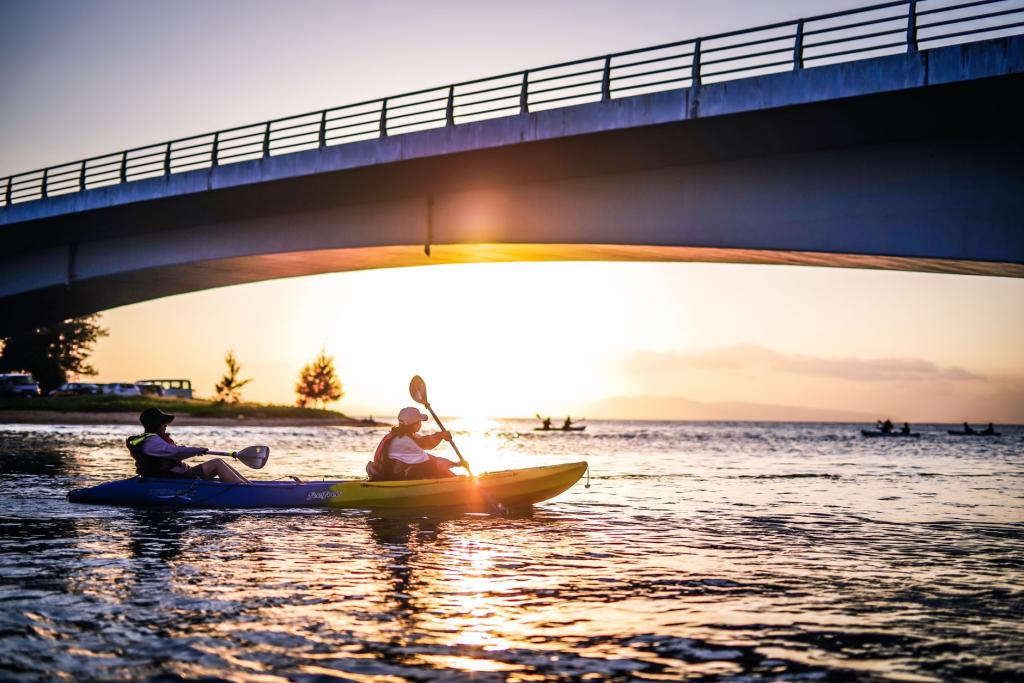
On October 6, 2026, a Newcastle courtroom brought the curtain down on Australia's biggest climate civil-disobedience case, when Judge Scott Nash found the last four blockade arrestees from the 2024 People's Blockade not guilty of a marine-safety offence and dismissed their matters. The verdict, as reported by News Hub, closed a prosecution that began when hundreds of kayakers paddled into the shipping channel of Newcastle Harbour — home to the world's largest coal port — in November 2024.
More than one hundred thirty people were arrested during that November 2024 flotilla, when protesters organised by the group Rising Tide occupied the harbour channel to demand an end to new coal and gas projects. What followed was nearly two years of court dates: most charges against the blockade arrestees collapsed in August 2026, when New South Wales police withdrew cases against about one hundred twenty-five protesters after test prosecutions failed and police were ordered to pay seventy-three thousand dollars in court costs, according to Green Left.
The Final Four Blockade Arrestees Walk Free
The last matters heard in Newcastle Local Court involved Robert Goodsell, Christopher Maclurcan, Megan Quinn, and a fourth person who asked not to be named in the media. The group of blockade arrestees had been charged under New South Wales marine safety law with failing to comply with the direction of an authorised officer during the 2024 action. Judge Nash found each defendant not guilty, and every matter was dismissed, as reported by News Hub.
Goodsell, a small business owner and grandfather from Port Douglas, said he had studied the implications of global warming "for many years" and had hoped the government would act, "including ending new coal and gas projects" — a failure that, in his words, "compelled me to take the road of civil disobedience." Quinn, a Sydney grandmother, told the court she does not enjoy protests, describing them as "noisy, unpleasantly crowded and usually boring," and said she would "rather be at home with a cup of tea" — but that she acts because she cannot think of what else to do to protect her granddaughter's future.
What the Verdict Means for the Blockade Arrestees' Protest Rights
The outcome is a landmark for the right to protest in New South Wales, where anti-protest laws carry penalties of up to twenty-two thousand dollars or two years in prison, according to Green Left. Dozens of the blockade arrestees spent almost two years navigating the criminal justice system before their cases collapsed — a toll that Julia Grix of Climate Defenders Australia, which represented many of the accused, described as "the long, anxious road" that follows an arrest. The case sits alongside a wave of youth-led climate actions documented in our youth activism coverage, from student walkouts to a Pacific youth flotilla sailing to keep the climate line alive.
Police, for their part, have been unapologetic about the crackdown. At the time of the arrests, New South Wales police said they took a "zero-tolerance" approach to threats to public safety or the safe passage of vessels, as reported by the Frontier Post. Supporters of the laws argue that shutting down a major shipping channel endangers lives and the economy, while the blockade arrestees and their lawyers argued the prosecutions were always politically driven and legally shaky — a claim the string of dismissals now appears to support.
Why the Blockade Arrestees Matter Beyond Newcastle
For young people watching from the sidelines, the case is a vivid lesson in how protest, law, and politics collide. Australia has been described as a world leader in arresting climate protesters, and the mass dismissal of these charges sends a signal to courts, police, and demonstrators alike: the legal system is not a rubber stamp for crackdowns, according to the Evening Report. Activists say the ruling vindicates nearly two years of waiting and validates civil disobedience as a tactic of last resort.
The story is not fully over. Another group of roughly one hundred people arrested at a subsequent Rising Tide action in 2025 still faces charges, the Evening Report noted — meaning the courts will keep testing the same anti-protest laws that just failed their biggest trial. For the last of the 2024 blockade arrestees, though, the wait is finally done: they walked out of Newcastle Local Court with no convictions, no fines, and a ruling that will echo through every future protest case in the state.
Comments 0
No comments yet. Be the first to share your thoughts!
Leave a comment
Share your thoughts. Your email will not be published.