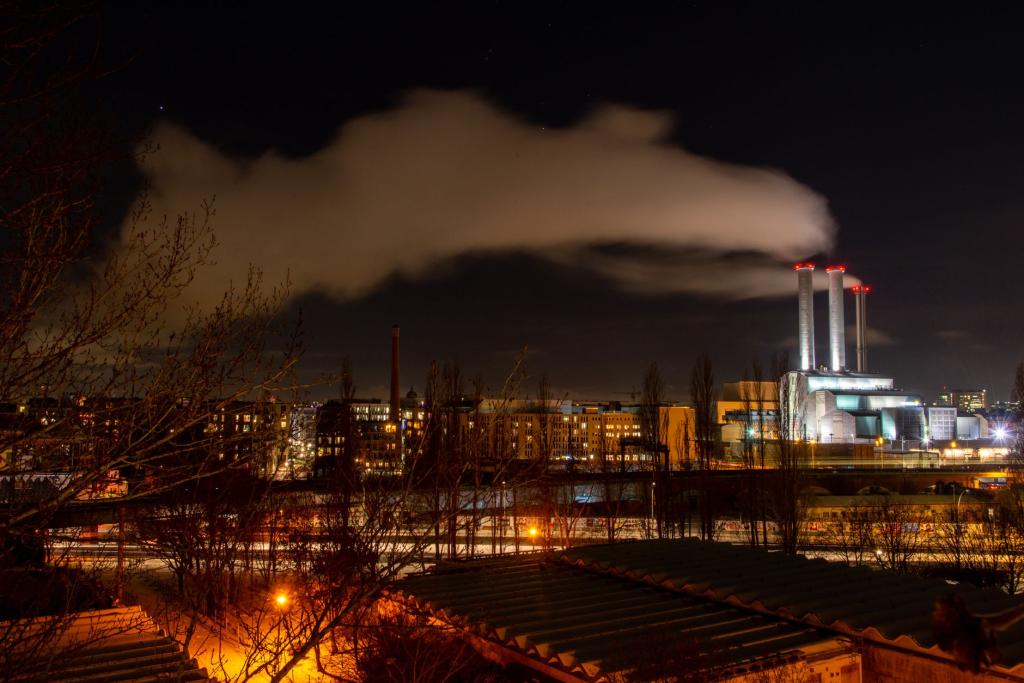
Russia has opened a new phase of Ukraine energy strikes against the country's power grid, beginning with one of the heaviest combined missile and drone barrages of the year on the night of September 29 to 30. According to the Institute for the Study of War's campaign assessment of September 30, 2026, the overnight wave of the Ukraine energy strikes unleashed 188 drones alongside Zircon or Onyx anti-ship cruise missiles and Iskander-M or S-400 ballistic missiles, with energy infrastructure in Kyiv City the primary target. A second wave followed during the day on September 30: 285 more drones, additional ballistic missiles, and several Banderol or Dan-T loitering munitions. Ukraine's Air Force said it intercepted 254 of the 285 daytime drones, including 146 of 174 jet-powered models, but enough got through to force emergency power cuts in Kyiv, Chernihiv, and Zhytomyr.
The ISW assessment concluded that the barrage marks the beginning of Russia's strike campaign aimed at degrading Ukraine's energy security ahead of Winter 2026-2027, in a bid to force Kyiv toward capitulation. The report notes that Moscow started this winter's infrastructure campaign before the heating season even began, suggesting President Vladimir Putin has adopted what analysts call a modified theory of victory: break Ukraine's resolve through the Ukraine energy strikes and the resulting darkness and cold rather than through the front line alone. The same assessment reported that a likely Russian drone violated Moldovan airspace and crashed near Hirbovat in Anenii Noi on the morning of September 30, underscoring how far the fallout of the Ukraine energy strikes is spreading beyond Ukraine's borders.
A city sheltering in blackout conditions
For residents of Kyiv, the campaign has moved from the grid to their doorsteps. On Thursday, October 1, a Russian drone tore through a school in the capital, sparking a fire that left the building's windows shattered and debris scattered across classrooms. According to reporting by the Associated Press, Mayor Vitali Klitschko said children had been in the school's shelter at the moment of the strike and reported no injuries. The State Emergency Service released images of rescue workers picking through rubble and dousing the charred building, while police documented a downed Shahed drone engine that failed to detonate near a children's playground.
Ukrainian officials have also reported fighting on other fronts. The ISW noted that Ukrainian forces recently advanced north of Sumy City, and President Volodymyr Zelensky visited a command post near Lyman in eastern Ukraine, where he praised frontline troops for what he described as a counteroffensive operation that has reclaimed 176 square kilometers in the Donbas sector, according to live coverage of his September 30 trip. The Ukrainian presidency said the operation, codenamed "Vivaldi," prevented a major Russian breakthrough toward the strategic railway hub of Lyman and the so-called fortress cities of Sloviansk and Kramatorsk. Cardinal Matteo Zuppi, the papal envoy, held talks in Moscow with Kremlin officials including aide Yuri Ushakov on prisoner swaps and humanitarian relief, as Pope Leo XIV renewed his appeal for Russia and Ukraine to negotiate an end to the four-year war.
Record casualties and a new sanctions wave
The energy campaign comes as the war's human toll reaches new extremes. Ukraine's General Staff reported that Russian forces suffered 46,230 personnel losses during September, the highest monthly total recorded anywhere in 2026, eclipsing July's 42,860 and August's 42,020. According to reporting by Dagens, UK Defence Intelligence highlighted an extraordinarily intense 24-hour period, citing Ukrainian General Staff data showing 2,090 Russian casualties in a single day on September 28, the highest reported daily loss since the full-scale invasion began in February 2022. Ukrainian figures are not independently verified, and both sides closely guard their own casualty numbers, but the trend aligns with a war of attrition that has only intensified.
In response, Britain announced 31 new sanctions on October 1 targeting what the Foreign Office called Putin's "war chest, propagandists and torturers." The measures hit LNG shadow-fleet vessels, Kremlin disinformation networks, and individuals accused of civilian torture and the indoctrination of children. The ISW also noted that the Kremlin is signaling its willingness to seize assets belonging to European companies operating in Russia and hold them hostage to pressure European states into softening their sanctions. For Ukraine, the message is stark: as winter closes in, the Ukraine energy strikes may matter as much as any battle on the front line.
More from this desk on GenZ NewZ: Malaysia Deportations to Myanmar Raise UN Alarm and UN Warns of 'Narrowing Window' for Forest Restoration.
Sources: ISW Russian Offensive Campaign Assessment, September 30, 2026; live war coverage with AP and Reuters reporting; Dagens.
Comments 0
No comments yet. Be the first to share your thoughts!
Leave a comment
Share your thoughts. Your email will not be published.