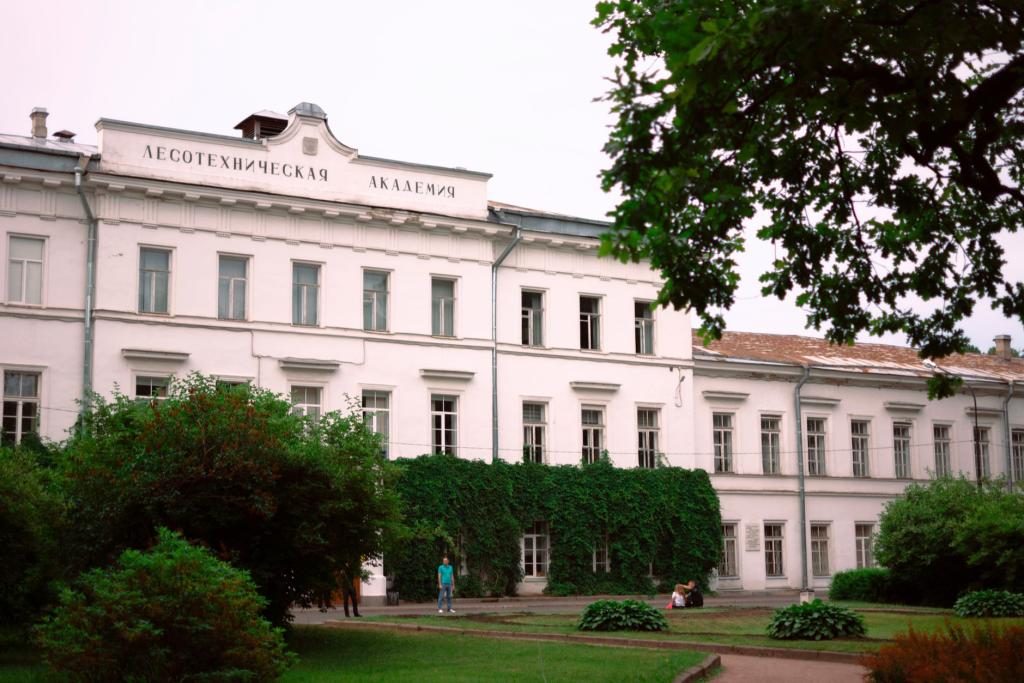
A Russian jet drone strike on Kyiv slammed into the National Academy of Sciences in central Kyiv on Monday, killing at least one person and injuring nineteen, as Moscow's new fleet of jet-powered drones keeps slipping past Ukrainian air defenses. Kyiv Mayor Vitali Klitschko said six of the injured were being treated in hospital while sirens echoed through the capital and black smoke rose from the historic building. Firefighters doused the flames and searched the rubble-strewn courtyard for survivors.
The strike came in the middle of the working day, drawing a sharp rebuke from Ukraine's foreign minister. Andrii Sybiha accused Russia of cynicism for hitting a scientific institution at that hour. "Russia is deliberately expanding the boundaries of what it believes the world will tolerate. Every attack left without a strong response only encourages the next one," he said.
The attack is the latest sign that Russia's shift to faster, high-flying jet drones is changing the air war over Ukraine. President Volodymyr Zelenskiy said on Saturday that Ukrainian forces now intercept just over half of the new weapons, far fewer than they managed against the older propeller-powered models, according to Reuters.
The jet drone strike on Kyiv was only the visible tip of a much larger overnight barrage. Overnight into Monday, the Ukrainian Air Force said Russia launched a wave of one hundred sixty-five strike drones at the country, of which seventy-nine were jet-powered. Air defenses destroyed or disabled one hundred twelve of them, while strikes were recorded in fourteen areas and falling debris landed in seven more, according to a report by Jnews.az. Ukrainian officials reported damage and casualties in Kyiv and the surrounding region as well as in Kharkiv and Odesa, though the full consequences were still being assessed. Other strikes in Kyiv on Monday also hit a pharmaceutical company, petrol stations and a medical facility, Zelenskiy said, while civilian facilities, businesses and communications infrastructure were hit in other cities and regions.
A wider war on economic targets
The Kyiv attack was only part of a punishing day across Ukraine. In the southeastern city of Dnipro, a Russian drone struck a business centre and killed three people, while Prime Minister Sergii Koretskyi said the same strike left nineteen people injured. Regional governor Oleksandr Hanzha noted the centre sits in the heart of the city, surrounded by homes, a park, a library and offices: "Hundreds of people are here in the middle of the working day." Another person died in a logistics office in Synelnykove, southeast of Dnipro, according to Hanzha. Russia has spent recent weeks widening its list of targets beyond warehouses, ports and energy infrastructure, and Reuters reported that data centres and telecoms facilities have now joined the hit list.
That broadening campaign is stoking anxiety well beyond Ukraine's borders, where European officials already worry the war could spill into NATO territory. Ukraine, meanwhile, has its own answer on the ground: its forces are still retaking territory in Donetsk, as this site reported in its coverage of Operation Vivaldi. But the new jet drones pose a different kind of problem, one that territory gains cannot fix, and Zelenskiy pressed the point directly. "Every one of Ukraine's partners must see from this terror, from these strikes, that supporting Ukraine means truly supporting people's lives," he wrote on Telegram, pressing the case that backing Ukraine's defenses is how partners save civilian lives.
The retaliation cycle keeps turning
Ukraine is hitting back even as its cities burn. Zelenskiy said on Monday that Ukrainian forces had struck Russian oil facilities in the Krasnodar region and two defense plants, part of a campaign aimed at choking off Moscow's war revenue. The overnight exchange was massive on both sides: Russia's defense ministry claimed it shot down two hundred fifty-four Ukrainian drones over a dozen regions, the Moscow area, Krasnodar Krai and Crimea, as well as over the Azov and Black Seas, though Reuters noted those claims could not be independently verified. Ukrainian drones did get through somewhere, with reports that the Edelweiss-95 oil depot in Krasnodar Krai caught fire, and Russian airports briefly imposed flight restrictions for safety.
The Kremlin, for its part, is framing the bombardment as payback. On Monday, spokesman Dmitry Peskov said Ukraine was now "paying the price" for its attacks on Russian territory in recent months. "Ukraine will have to pay a price for the actions that have taken place in recent months. This is what is happening now. Our armed forces are continuing the special military operation," Peskov said, according to Reuters. President Vladimir Putin had said on Friday that Moscow remained open to negotiations after September's parliamentary elections, even as he complained about Ukrainian strikes on Moscow during the vote and on St. Petersburg during a major economic forum in June. It is a familiar pattern, and one that keeps European capitals on edge about what a wider Russian escalation could mean, a fear captured in this site's earlier report on a Danish NATO warning. Both sides continue to deny deliberately targeting civilians, even as the casualty lists keep growing.
Comments 0
No comments yet. Be the first to share your thoughts!
Leave a comment
Share your thoughts. Your email will not be published.