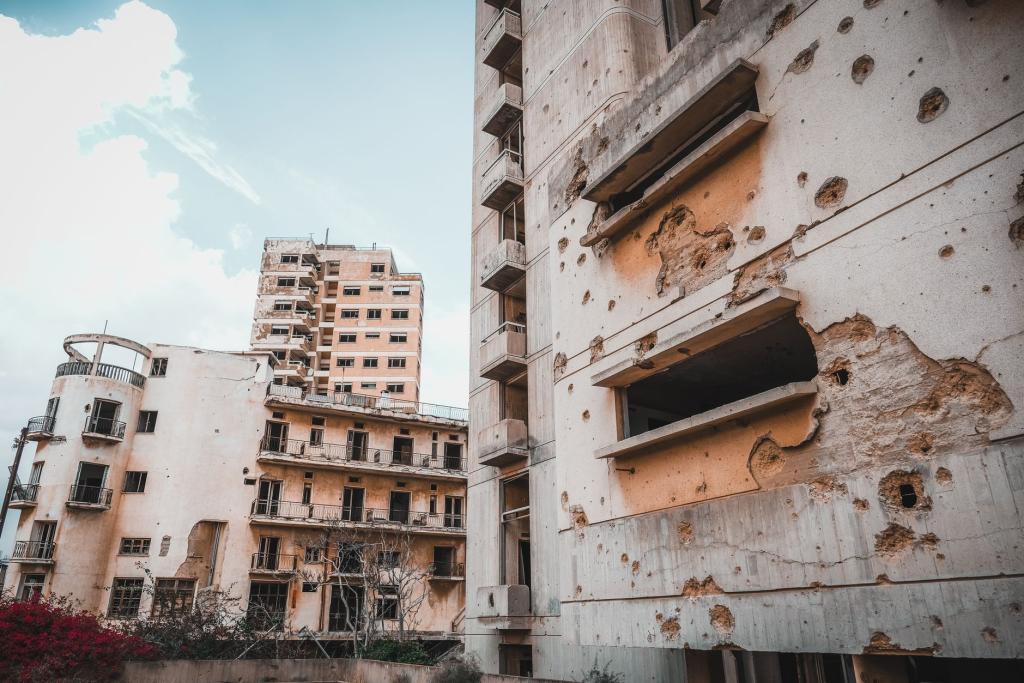
The Palestinian death toll from the nearly three-year war between Israel and Hamas has passed 74,000, Gaza's Health Ministry announced on Saturday. The ministry's latest update puts the cumulative figure at 74,016 dead and 175,068 wounded, according to the Associated Press, and it arrived nearly a year into a Gaza ceasefire that has stopped the heaviest fighting without producing anything that looks like an end to the war.
The war began on Oct. 7, 2023, when Hamas-led militants invaded southern Israel, killing about twelve hundred people, most of them civilians, and taking 251 hostage. The U.S.-brokered Gaza ceasefire that took effect on Oct. 10, 2025 ended the large-scale bombardment that defined the conflict's first two years. But Israeli strikes have continued since then, and the military says those strikes are responses to threats or attacks. Gaza's Health Ministry says 1,145 Palestinians have been killed since the Gaza ceasefire began; seven Israeli soldiers have died in the same period.
A ceasefire without an end in sight
The new death-toll figure captures the Gaza ceasefire's record so far: the heaviest violence has stopped, while the war itself continues. The agreement was supposed to be the first step toward a political settlement: disarmament, a new governing arrangement, and reconstruction of the devastated territory. Almost none of that has happened. According to the Associated Press, Israeli forces now control more than half of Gaza, and the civilian population remains displaced across the enclave while aid flows stay restricted.
Gaza's Health Ministry, which operates under the Hamas-led government, maintains detailed casualty records that U.N. agencies and international organizations regard as generally reliable. The ministry does not distinguish between civilians and militants in its count, but says women and children account for roughly half of those killed. Those figures cannot be independently verified in full because of the difficulty of reporting from inside the territory, and the Israeli government disputes the ministry's framing while rarely contesting the overall scale of the toll.
The deal's terms are mostly frozen
The central obstacle is disarmament. Prime Minister Benjamin Netanyahu has said Israeli forces will not withdraw until Hamas disarms, and Hamas has given no sign of agreeing to that. The new Palestinian government envisioned by the Gaza ceasefire has not taken office, and reconstruction has not started. Each side blames the other for the deadlock, and there is no active negotiation known to have broken it.
The result is a front line that no longer moves much and a diplomatic process that does not move at all. The Gaza ceasefire holds on paper, yet the strikes, the casualties, and the military control of the territory all point in the same direction: an agreement that stopped the bombing campaign but settled none of the questions the war raised. For the civilians living under it, the distinction has grown harder to feel with each passing month.
Israel's opposition turns to the ballot box
The death-toll announcement coincided with a political move inside Israel. On Saturday evening, the country's leading Jewish opposition parties promised to coordinate their campaigns to defeat Netanyahu's coalition in parliamentary elections next month, the first national vote since the Oct. 7, 2023 attacks. The vote is widely seen as a referendum on the security failures that allowed those attacks.
The meeting brought together Gadi Eisenkot, a former military chief regarded as Netanyahu's most serious challenger; former prime ministers Naftali Bennett and Yair Lapid, who are running together; Yair Golan, who heads the center-left party; and Avigdor Lieberman, who leads a hawkish opposition party. The parties, often criticized for fractious infighting, said they would work to raise voter turnout, counter disinformation, and agree on the basic principles of the government they hope to form. In a joint statement they described the election as critical to the future of the state.
For now, the Gaza ceasefire remains a truce that neither side has managed to turn into a settlement. With the Palestinian death toll past seventy-four thousand, Israeli troops still controlling more than half of the territory, and no agreed process for disarmament or rebuilding, the deal's next steps look as distant as they did the day it was signed. Read the Associated Press reporting behind this story here.
Comments 0
No comments yet. Be the first to share your thoughts!
Leave a comment
Share your thoughts. Your email will not be published.