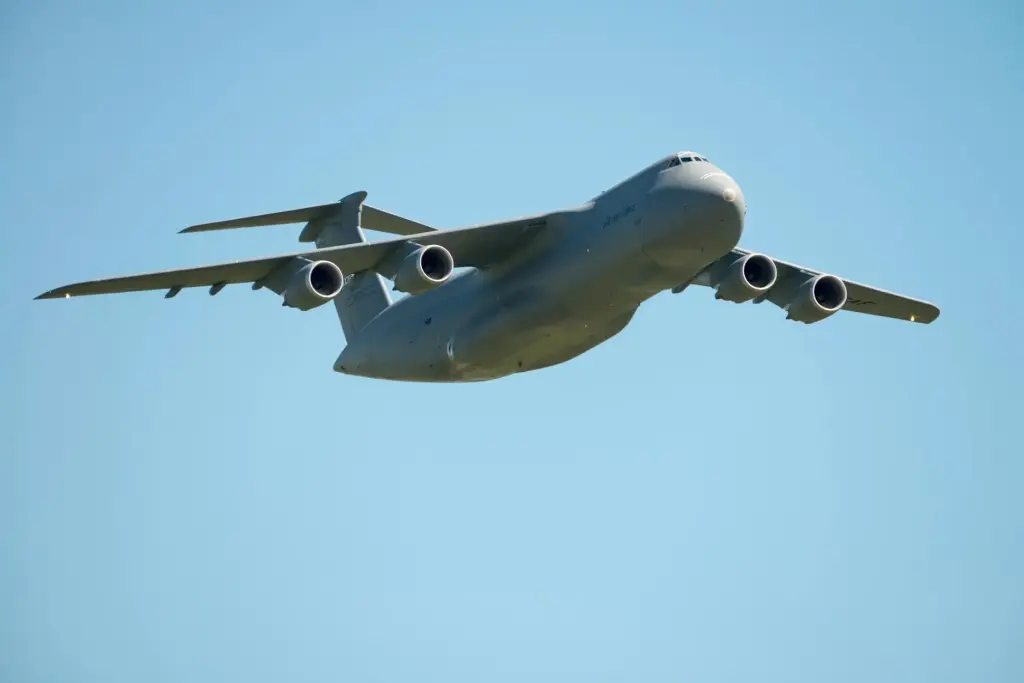
Russian plane crash Crimea: A military transport aircraft has killed all 29 people aboard, marking one of the deadliest aviation disasters to strike the Russian armed forces this year. According to Russian defense ministry officials cited by Tass news agency, the Antonov An-26 crashed during what was described as a routine flight on the evening of March 31, 2026.
The Russian plane crash in Crimea claimed the lives of 23 passengers and six crew members, with search teams confirming there were no survivors at the crash site. The twin-turboprop tactical transport aircraft went down in the disputed peninsula, which has been at the center of international tensions since Russia annexed the territory from Ukraine in 2014.
Russian Plane Crash Crimea: What We Know
According to FlightGlobal, the Antonov An-26 was performing a routine flight when it crashed in the early evening of March 31. The exact cause of the Russian plane crash Crimea remains under investigation, though officials have not ruled out mechanical failure, weather conditions, or pilot error as potential contributing factors.
Aviation analytics company Cirium indicates that the An-26 has been a workhorse transport platform for militaries worldwide. There are approximately 360 An-26 aircraft still in service globally, with another 105 in storage. The Russian air force operates the largest fleet of these aircraft, with roughly 150 An-26s in its active inventory according to defense analysts.
The An-26 first entered service in the 1960s during the Soviet era, and while it has proven reliable over decades of operation, the design is now considered aging by modern aviation standards. Russian military aviation has faced scrutiny over maintenance practices and fleet modernization, particularly as international sanctions have limited access to Western aircraft components and technology. This Russian plane crash Crimea incident highlights the ongoing challenges facing military aviation safety in contested regions like disputed international territories.
Geopolitical Significance of the Crimea Crash
The Russian plane crash Crimea carries additional weight due to the location where the aircraft went down. Crimea remains internationally recognized as sovereign Ukrainian territory, despite Russia maintaining control of the peninsula for over a decade following its controversial 2014 annexation. The region has been subject to Western sanctions and diplomatic isolation, with most countries refusing to recognize Russian authority over the territory.
This aviation disaster comes at a sensitive time for Moscow, which continues to face international pressure over its military activities and territorial claims. The crash also raises questions about military aviation safety in contested regions, where flight operations may face additional stresses and operational challenges that could contribute to accidents like this Russian plane crash Crimea tragedy.
The Russian defense ministry has promised a comprehensive investigation into the Russian plane crash Crimea, though such probes in Russia have historically taken months or even years to produce definitive conclusions. Previous military aviation accidents in Russia have often been attributed to a combination of aging aircraft, maintenance issues, and challenging operational conditions that put aircrews at risk. Similar concerns about international security incidents continue to shape global discussions.
According to AP News, aviation safety remains a global concern, with military aircraft accidents claiming hundreds of lives annually worldwide. The Antonov An-26 has been involved in several fatal incidents over its operational history, though it remains in service with multiple air forces across Eastern Europe, Asia, and Africa despite its aging design. The Russian plane crash Crimea adds to this troubling safety record.
For the families of the 29 victims killed in this Russian plane crash Crimea, answers about what caused the disaster cannot come soon enough. Military aviation accidents often involve classified details, making transparency difficult even as grieving families seek closure and accountability from military authorities who may be reluctant to share sensitive operational information.
The international community will be watching how Russia handles the investigation into this Russian plane crash Crimea and whether independent experts will be granted access to examine the wreckage and flight data. Previous incidents in disputed territories have sometimes lacked the transparency that international aviation standards recommend, leaving lingering questions about the true causes of fatal crashes that claim dozens of lives. Related Middle East conflicts have similarly raised concerns about military transparency.
This tragedy serves as a stark reminder of the risks faced by military personnel who rely on aging aircraft for transport and logistics missions. As militaries worldwide grapple with fleet modernization challenges, the Russian plane crash Crimea underscores the critical importance of maintenance protocols and safety oversight in preventing future disasters.
Comments 0
No comments yet. Be the first to share your thoughts!
Leave a comment
Share your thoughts. Your email will not be published.