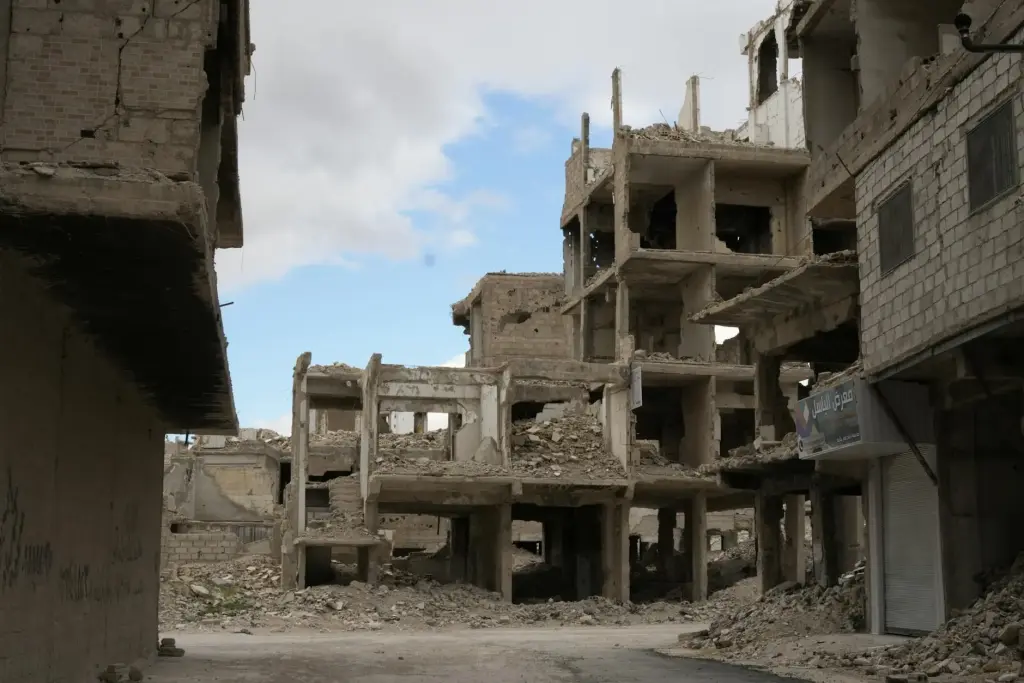
The Iran war allies relationship is fracturing as the conflict reaches its one-month mark. President Trump is openly criticizing European countries that refuse to support the military campaign, while nations including Spain, France, and Italy are actively blocking US military aircraft from using their airspace. According to The Guardian, Trump posted on Truth Social telling European governments concerned about fuel prices to "go get your own oil" by force from the Gulf.
This breakdown in Iran war allies relations is escalating rapidly. Spain has already denied the US use of its bases and airspace, with Madrid's defence minister stating the country would not "accept lectures from anyone." France blocked Israeli planes carrying military supplies from flying through its territory, which Trump described as "VERY UNHELPFUL" on social media. Even Italy, typically a stalwart ally, reportedly refused last-minute permission for US bombers to land in Sicily according to Corriere della Sera newspaper.
30 Days of Conflict: Where Iran War Allies Stand
The US-Israeli war against Iran began February 28 and has already seen more than 11,000 targets struck across Iran, according to Chairman of the Joint Chiefs of Staff General Dan Caine. Despite this extensive bombardment, Iran remains capable of fighting back. The conflict has resulted in over 3,000 deaths and significant economic disruption worldwide as Iran war allies debate their positions.
The past month has produced striking statistics. US forces claim to have achieved "air superiority" over Iran, enabling over-land B-52 bomber missions. Iranian ballistic missile launches are reportedly down 86% from the first day of fighting, and drone attacks have decreased 73%. However, Iran struck a fully loaded Kuwaiti oil tanker off Dubai on Tuesday, demonstrating continued capacity to attack critical energy infrastructure. For more on the economic impact, see our previous coverage of the Iran war economic impact on Europe.
Defense Secretary Pete Hegseth has made bold assessments, stating that "never in recorded history has a nation's military been so quickly and so effectively neutralized." Critics note that Iran's continued ability to fight after absorbing such intensive strikes highlights the limitations of air power alone. The US also began deploying the USS George H.W. Bush aircraft carrier this week to support ongoing operations.
The Economic Cost of Strained Iran War Allies Relations
The economic consequences of this conflict are affecting consumers globally. The Strait of Hormuz, which normally handles approximately one-fifth of global oil shipments, remains closed. Brent crude oil prices have surged past $100 per barrel, increasing more than 45% since the war began. United States gas prices have exceeded $4 per gallon for the first time in four years, putting pressure on Iran war allies to find solutions.
Ireland's taoiseach Micheál Martin characterized the oil supply shock as "probably the worst ever." Global markets face continued volatility as inflation-weary consumers worldwide absorb higher costs. Trump has threatened to expand the offensive by targeting Iran's power stations and fresh water plants if a ceasefire is not reached shortly, moves that legal scholars warn could constitute war crimes. Read more about the broader NATO tensions over the Iran conflict.
The situation presents notable contradictions for Iran war allies. European countries have spent years working to purchase more US oil and reduce dependence on Middle Eastern energy. Now they face pressure to either join the military campaign or resolve their energy challenges independently. Trump's suggestion that countries such as the United Kingdom should "build up some delayed courage, go to the Strait, and just TAKE IT" is being met with skepticism, as military experts consider such plans high risk and impractical.
Pope Leo XIV has also addressed the situation, expressing hope the conflict would conclude by this weekend and stating that he hopes Trump is "looking for an off-ramp." During a Palm Sunday mass, the pope appeared to criticize the Trump administration by stating that God ignores the prayers of leaders who wage war and have "hands full of blood."
As negotiations continue behind closed doors, the immediate future remains uncertain. Trump has suggested US operations could conclude within two to three weeks, but Iranian President Masoud Pezeshkian demands guarantees that the conflict will not be repeated before agreeing to peace. With Iran war allies blocking military movements and economic pressure mounting, this war is testing American unilateralism in unexpected ways. Source: The Guardian
Comments 0
No comments yet. Be the first to share your thoughts!
Leave a comment
Share your thoughts. Your email will not be published.