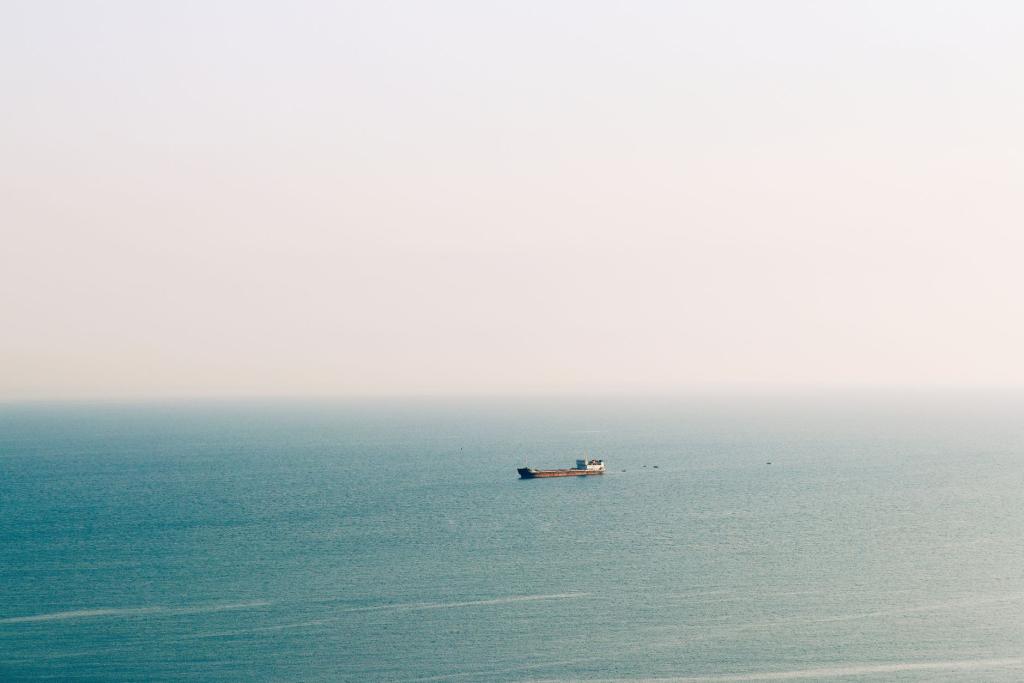
A Black Sea drone attack off Bulgaria's coast sank a merchant ship overnight and left eleven sailors missing, the second deadly incident in the same stretch of water in a single week. Bulgarian Prime Minister Rumen Radev called it "absolutely unacceptable" and summoned Russia's ambassador.
What happened overnight
According to Al Jazeera, the Ukrainian-owned Chelsea 3, sailing under a Maltese flag, was hit by three drones about eighteen nautical miles off Bulgaria at around one thirty in the morning on Tuesday. Radev said its fifteen crew members, seven Ukrainians and eight Azerbaijanis, were rescued, and five received medical assistance with no serious injuries.
A second vessel was struck about seventeen nautical miles east of Krapets and went down. The Irish Times reported that eleven sailors from that ship were missing at sea, while Radev said one crew member from it had been pulled from the water.
Bulgarian outlet BTA reported that the Chelsea 3 was travelling from Turkey to Moldova and was listing slightly after the strike. A Bulgarian border police vessel brought the rescued sailors to the port of Varna.
Who is behind it?
Here is the tricky part: nobody has proof. Radev said authorities have no clear and conclusive evidence pointing at either Ukraine or Russia. Still, he argued that the outcome favours Moscow, and that it makes no sense for Kyiv to destroy its own ships, as AP reported.
Russian ambassador Eleonora Mitrofanova met Radev in Sofia afterwards. According to the Bulgarian government, as relayed by AP, she said she had no information from Russia's defence ministry about the attacks, but did not rule out that they could be a provocation by a third party.
Ukraine has directly blamed Russia, according to the BBC. Moscow has not claimed responsibility, and the claims on all sides remain unverified for now.
Europe and NATO react
European Commission President Ursula von der Leyen said the Black Sea "has become another front of escalation of the Russian war in Ukraine" and demanded that those responsible be held accountable. NATO chief Mark Rutte said the alliance would adjust its deterrence and defence posture as needed after speaking with Radev.
Bulgaria has told its representatives at NATO and the European Union about the attacks and is asking for help to boost surveillance of its air and sea space. Radev also said Sofia will start talks with neighbouring Romania and Turkey on joint proposals to keep shipping safe.
Last week, drones hit two ships off the same coast and one sank, with all ten crew members from that vessel still unaccounted for, according to Al Jazeera. That earlier attack led President Iliana Iotova to convene the national security council.
Why Gen Z should care
This is not just a faraway shipping story. The Black Sea is one of the busiest grain and fuel corridors on the planet, and every attack on a freighter raises insurance costs and pushes up the price of the stuff that ends up in your grocery cart and at the gas pump. Radev himself warned that Bulgaria is suffering serious economic and financial damage.
It also tests NATO. Bulgaria is an alliance member, and these ships were hit close to its territorial waters. Experts have been warning for months about so-called hybrid attacks, meaning sabotage, drones and cyber operations that stay below the threshold of open war. We have been tracking that wider pattern in our war coverage.
The timing matters too. Earlier on Tuesday, Euronews reported NATO's top commander telling Moscow that any attack on the alliance would be blocked and broken, while Russia and Ukraine traded strikes despite talk of an energy ceasefire.
What to watch next
Every new Black Sea drone attack makes the case for tougher patrols and shared intelligence stronger, and it puts pressure on European leaders who have so far stopped short of naming a culprit. Radev has said the country wants answers backed by evidence, not guesses, which is why NATO and EU investigators are being pulled in. Expect more diplomatic meetings this week, and expect the shipping industry to watch every update closely, since a single sunk vessel can change how insurers price the entire region.
Three things will decide where this goes. First, whether investigators, with NATO and EU help, can pin the drones on a specific actor. Second, whether Bulgaria goes beyond summoning an ambassador. Third, whether shipping firms start avoiding the western Black Sea, which would hit trade fast.
For now, the search for the missing sailors continues, and the incident is a grim reminder that the war in Ukraine keeps spilling over borders. We will update this story as officials confirm more details.
Comments 0
No comments yet. Be the first to share your thoughts!
Leave a comment
Share your thoughts. Your email will not be published.