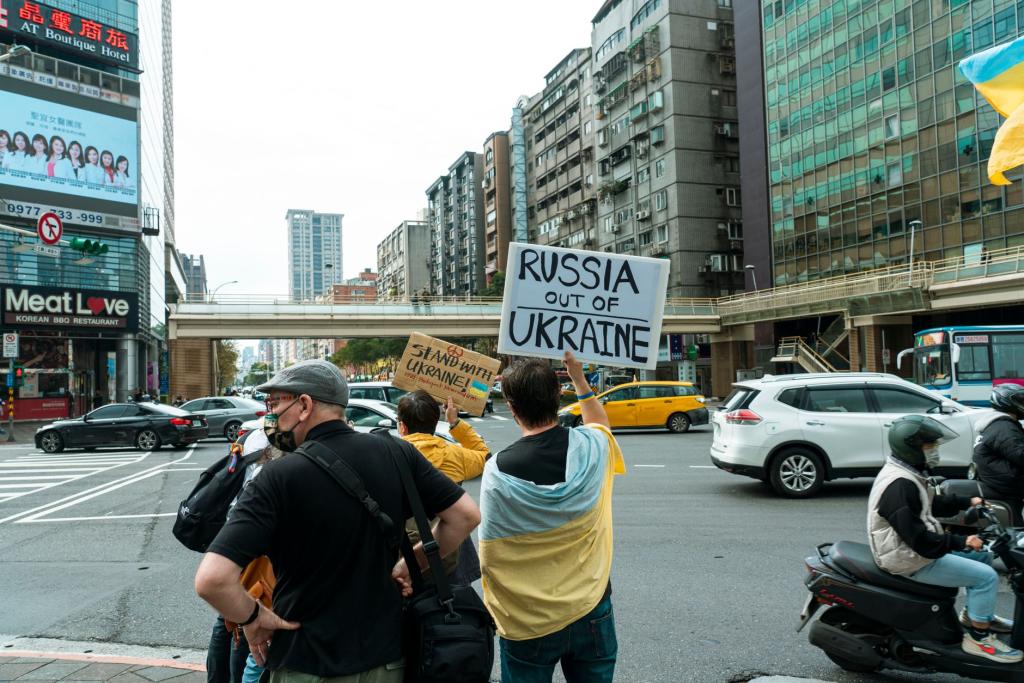
The Russia sanctions pause is the political story everyone in Washington is arguing about this weekend. President Donald Trump signed an executive order on Friday that puts on hold a sweeping package of penalties on Moscow, a package he himself signed into law only last month, according to Al Jazeera.
The timing is what makes it wild. The order landed two days before a deadline written into the law that would have switched the sanctions on. Trump told Congress the delay is in the national interest, but he gave no further details.
What the law actually does
The legislation is named after Lindsey Graham, the Republican senator who died unexpectedly in July after returning from Ukraine. It was drafted with Democratic Senator Richard Blumenthal and passed the House and the Senate by large margins, which is rare in a split Washington.
Its goal is simple: starve Moscow of cash for its war on Ukraine. It targets Russian officials, banks and the shadow fleet of tankers that keeps Russian energy exports moving. It also tells the president to hit the five biggest buyers of Russian oil or gas with tariffs of up to one hundred percent, with an exception for countries that import under fifteen percent of Russia's natural gas exports and are working to cut that.
Rubio calls it a sixty day pause
Secretary of State Marco Rubio tried to cool things down on Saturday. Speaking to reporters before flying to Uzbekistan, he described the move as a break to study the damage, not a permanent retreat, according to the Kyiv Post, which was citing Reuters.
"The president wants to take the sixty day period of time to sort of analyze what imposing both sanctions and tariffs will mean to the global economy and even to the US economy," Rubio said. He pointed to India, a key partner that has diversified its energy sources but still leans heavily on Russian crude.
He also argued that conflicts around the world are "starting to crash into each other," pushing up oil and diesel prices. Those include the war involving the United States and Iran and the Houthi strikes on Saudi infrastructure.
The diesel deal in the background
This did not come out of nowhere. A week earlier Trump said the United States had signed a deal to buy diesel from Russia to try to lower global fuel prices. Both Republicans and Democrats slammed it, saying it would help Russia's war effort without actually bringing prices down, Al Jazeera reported.
Rubio defended the arrangement anyway. In his words, the diesel was going to be sold one way or another, and the only question was how much of it the United States would get. Critics are not buying that, and some Republicans have even suggested the diesel agreement may be illegal.
Kyiv and Moscow react
Ukrainian President Volodymyr Zelenskyy called the move unfortunate and warned it would encourage Russia to keep up its assault. He said he fears more sanctions will be lifted and that the pause rewards Vladimir Putin. All this came as Russia hit Ukrainian power plants with one of its worst strikes yet, trying to black out cities before winter.
Moscow, naturally, celebrated. Kirill Dmitriev, Putin's special envoy, called it an important and truly historic moment and said the economic dialogue between the two countries will continue.
Why Gen Z should care
If you are wondering why a sanctions fight matters to your feed, think prices. Energy markets are already jumpy, and every decision about who can sell oil and diesel shows up later at the gas pump and in the cost of nearly everything shipped by truck.
There is also the midterm angle. Polls suggest Republicans will struggle to hold their majorities on November third because voters dislike how Trump is handling the war on Iran and blame him for higher prices. Ukrainian lawmaker Oleksandr Merezhko linked the pause to the election and predicted relations would improve once voting is over.
One more thing to watch is Congress, which is in recess until after the midterms and is unlikely to respond fast. That means the sixty days could run out before lawmakers do anything. Follow our politics coverage as this develops.
Comments 0
No comments yet. Be the first to share your thoughts!
Leave a comment
Share your thoughts. Your email will not be published.