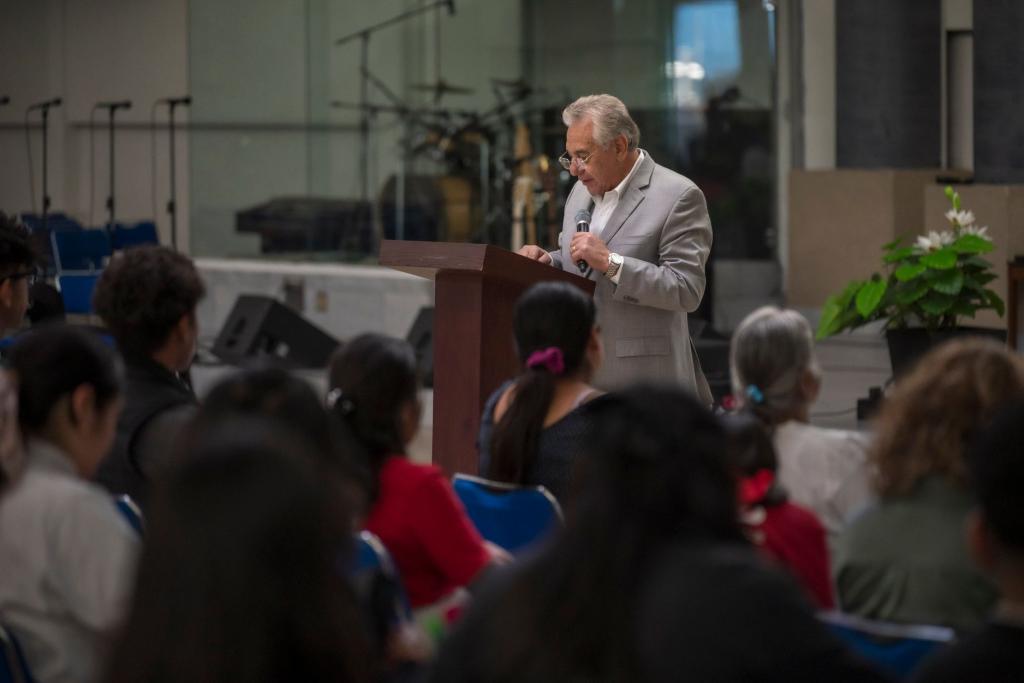
British prime minister Andy Burnham has opened the door to the United Kingdom rejoining the EU, telling the BBC that every option for Britain's future relationship with the bloc should be examined.
The comments, broadcast on Wednesday, came a day after Burnham used his first keynote speech as prime minister at Labour's annual conference in Liverpool to declare that Brexit had done "more harm than good" to the country.
Asked on the Today programme whether that meant he backed rejoining the EU, Burnham pointed to a ladder of options: keeping the current post-Brexit settlement, adopting the customs union proposal put forward by former Conservative chancellor George Osborne, taking up the Liberal Democrats' single market proposal, or, as he put it, going "all the way." He said the choices needed to be weighed for "what is doable" and "the pros and cons of each," according to reporting by Politico Europe.
He told the BBC he did not want to leave the question of rejoining the EU "hanging," and said the need for a debate about Britain's future relationship with Europe was part of his plan to shift the country in a new direction. He told BBC Breakfast the country had been "in a rut" and was not working for people as it should, as reported by the Press Association.
Burnham also referred back to a position he held before entering Downing Street, when he said he hoped Britain would rejoin the EU within his lifetime. He tempered that on Wednesday, acknowledging it was "not necessarily the case" now, and saying he first wanted to study the available options and determine what was practical.
What Burnham said in Liverpool
In his conference speech on Tuesday, Burnham argued that leaving the EU had cost Britain control rather than delivering it. "Brexit has done more harm than good," he told delegates at the M&S Arena, adding that a decade of low growth had left the country in a weaker position and that Britain had lost some of its control over the economy and immigration. He has blamed Brexit for what he called a decade of drift and division.
He said Britain would not get what he called "the clear path" it needed for the rest of the century until it settled on a long-term relationship with its largest market, and until it answered whether that could one day mean rejoining the EU. He pledged to use a UK-EU summit later this year to set out "the different options" and seek a political consensus on the way forward, as reported by the Hungarian Conservative.
The speech went well beyond Europe. Burnham promised what he called a "new Britain," including a free national social care service on a par with the NHS, bringing water, housing and energy into public ownership, scrapping the pensions triple lock to help pay for social care, and an overhaul of the voting system. He blamed the country's direction on reforms stretching back to Margaret Thatcher's government in the 1980s, which he said had delivered deindustrialisation, deregulation, privatisation and austerity.
Why the timing matters
Burnham's intervention breaks with the position of his predecessor, Keir Starmer, whose 2024 election manifesto ruled out rejoining the customs union, re-entering the single market or restoring freedom of movement with the EU. Downing Street has signalled those red lines will hold until the next general election, but Burnham's remarks clearly set up a post-election argument for a closer relationship, and possibly rejoining the EU, a decade on from the referendum.
Pressure is building inside Labour to go further. MP Stella Creasy responded to the speech by saying "everything must be on the table," arguing that removing the manifesto's red lines on Europe was "the essential first step to restoring this country's place on the world stage."
Rejoin supporters point to polling they say shows public backing for EU membership at its highest level since the referendum. In the run-up to the conference, a former Labour government adviser, Ben Judah, argued that Burnham should seize the moment and fight an early election with rejoining the EU at its centre, warning that delay risked repeating what he called the mistakes of the Starmer years. Burnham has tried to shut down talk of an early election.
The Conservatives pushed back on Wednesday. Deputy leader Alex Burghart said Labour could not pin the blame for what he called "disastrous economic decisions" on a vote held more than a decade ago, and accused the government of pulling Britain toward the EU "via the back door" through its reset.
A UK-EU summit planned for July was postponed after Starmer's resignation, and no new date has been set.
What comes next
For now, Burnham's position amounts to a review rather than a policy. The government will keep its current red lines until a general election, while the prime minister prepares a fuller statement of options for the rescheduled summit. Britain's place in international institutions is in flux more broadly: read our explainer on the race to become the next UN secretary-general.
Whether that review ends at the customs union, the single market or rejoining the EU will depend on the political arithmetic after the next election and on whether Brussels would entertain the question at all. The debate also lands as the EU keeps redrawing rules that affect Britain, from hotel booking regulations to wider trade questions. The remarks put the idea of rejoining back into mainstream political debate, with the prime minister's own words as the starting point.
Comments 0
No comments yet. Be the first to share your thoughts!
Leave a comment
Share your thoughts. Your email will not be published.