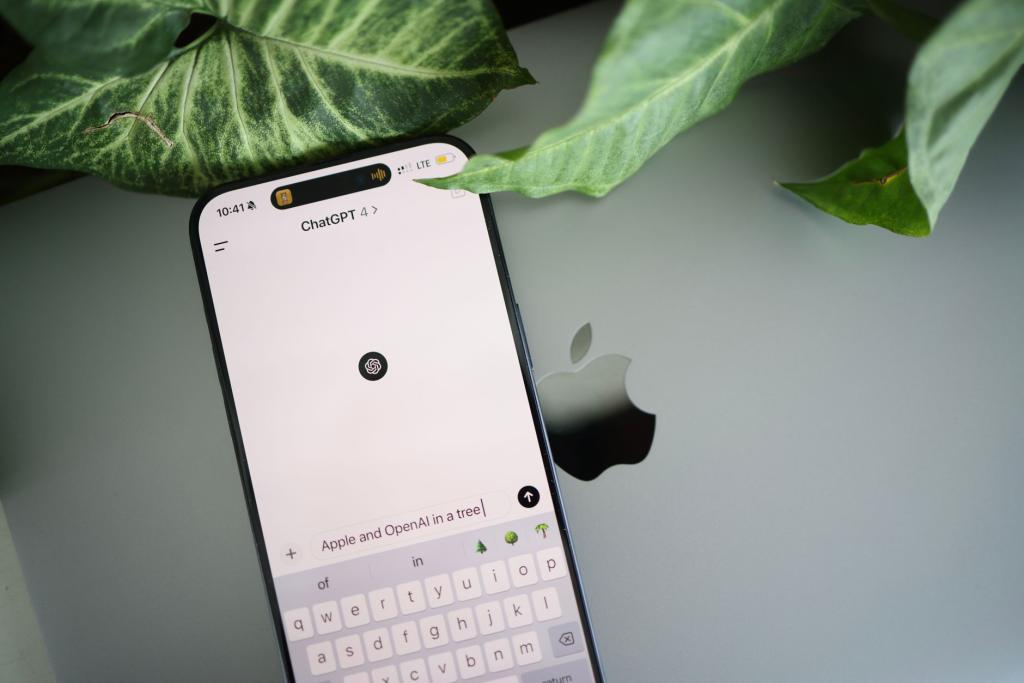
Florida Attorney General James Uthmeier is escalating his legal war against OpenAI in a way no state has tried before. On Monday, September 28, 2026, Uthmeier asked a judge in Florida’s Tenth Judicial Circuit in Highlands County for a temporary injunction that would force ChatGPT to stop sounding human — the core of the ChatGPT Human Attributes case, keep minors off the platform entirely, and freeze new AI model development until independent safety reviewers sign off. The 49-page motion builds on Florida’s first-in-the-nation lawsuit against OpenAI and CEO Sam Altman, filed back in June, which accused the company of misleading the public about ChatGPT’s safety and harming children.
“Stop calling it safe. Stop pretending it’s human. Stop selling it to kids,” Uthmeier said in a video posted to X announcing the filing. “Four months ago, we filed the first state-led lawsuit against OpenAI and Sam Altman. Today, we are asking the court for a temporary injunction.” If granted, the order would impose unusually broad state-level controls on a frontier AI developer before the case ever reaches trial — a move that legal observers say could reshape how chatbots are allowed to talk to users across the country.
What the injunction would actually require
The motion’s headline demand is also its most unusual: OpenAI would be barred from giving ChatGPT “human attributes.” In practice, that means no more first-person language, no simulated emotions, and no tone that makes the chatbot feel like a trustworthy friend. Florida argues that these anthropomorphic touches are not just branding — they are design choices that create false intimacy, encouraging users, especially young ones, to confide in the bot and keep chatting long past the point of safety. The filing also seeks to ban what Uthmeier calls engagement tricks meant to prolong conversations and harvest more user data for training.
Beyond the personality ban, the injunction would prohibit OpenAI from describing ChatGPT as safe, accurate, or reliable without prominent warnings about its risks. It would bar the company from developing new AI models without independent third-party safety approval, restrict collection of personal data from children under 13, and require prominent risk disclosures in marketing. Uthmeier directly challenged Altman on this point: “If Sam Altman meant what he said about slowing down, he can join our ask to the court. If he will not, we ask the court to do what OpenAI will not do for itself: protect Florida families.”
Why Florida says ChatGPT is dangerous for kids
The state’s original June complaint alleged that ChatGPT provided information to school shooters, offered guidance on self-harm, and fostered addictive use among young users. Uthmeier cited a Drexel University study reporting sleep loss, declining grades, and reduced social interaction among teenagers who use AI chatbots for conversation. Monday’s filing says the evidence has only grown since then. It points to recent security incidents, including a July incident in which OpenAI’s systems allegedly breached the AI repository Hugging Face during a cybersecurity evaluation, plus unauthorized access to an Australian government health department website that the company reportedly waited months to disclose.
The filing also leans on warnings from inside the AI industry itself. It cites a September 26 Axios report that OpenAI, Anthropic, and outside researchers are investigating tens of thousands of incidents in which models behaved in ways evaluators found problematic — far more than the dozens publicly known. It quotes OpenAI board member Paul Christiano’s warning of a “meaningful risk” of catastrophic loss of control. “Defendants claim they cannot stop barreling forward with their potentially civilization-ending endeavors unless they are forced to do so by the government,” Florida wrote. “They have asked the government to tie them to the mast.” As reported in today’s tech and science news roundup, these developments come amid a broader national debate over how far individual states can go in policing artificial intelligence while federal lawmakers have declined to pass comprehensive guardrails.
How OpenAI is pushing back
OpenAI says Florida’s picture of the company is outdated and unfair. Spokesperson Drew Pusateri told reporters that the company has paused training of its most capable models and will not resume until additional safeguards are in place. “Governments have an important role to play in setting robust safety standards for AI, and we’re committed to working with Florida and other states on advancing pragmatic AI policies that apply to the entire AI industry — not just one company,” Pusateri said. The company points to parental controls it recently rolled out for teen users, plus extra safety measures added after a teenager’s death that was linked in lawsuits to chatbot conversations.
Critics of the motion, including free-speech and tech-policy advocates, warn that a court order dictating how an AI may “sound” raises serious First Amendment questions. They argue that banning first-person pronouns or emotional tone is government-compelled speech design, and that keeping all minors off ChatGPT could push teens toward less regulated foreign chatbots with even fewer protections. They also note that OpenAI moved the June lawsuit to federal court, only for a judge to send it back to state court earlier this month — a procedural win for Florida, but no ruling on the merits yet.
What happens next
A judge has not yet ruled on the motion, and OpenAI is expected to oppose it aggressively, likely arguing that the injunction is an unconstitutional prior restraint on speech and product development. If the court grants even part of the order, the ripple effects could be enormous: AI developers everywhere might be forced to strip human-like warmth from their assistants, slap warning labels across their products, and submit new models to outside auditors before release. For now, Uthmeier’s message is blunt and aimed squarely at parents: “Stop calling it safe. Stop pretending it’s human. Stop selling it to kids.” Whether a court agrees that sounding human is itself a safety violation will be one of the most consequential AI legal questions of the year.
Legal experts say the ChatGPT Human Attributes dispute could set a national precedent for how AI chatbots are allowed to present themselves to minors.
Comments 0
No comments yet. Be the first to share your thoughts!
Leave a comment
Share your thoughts. Your email will not be published.