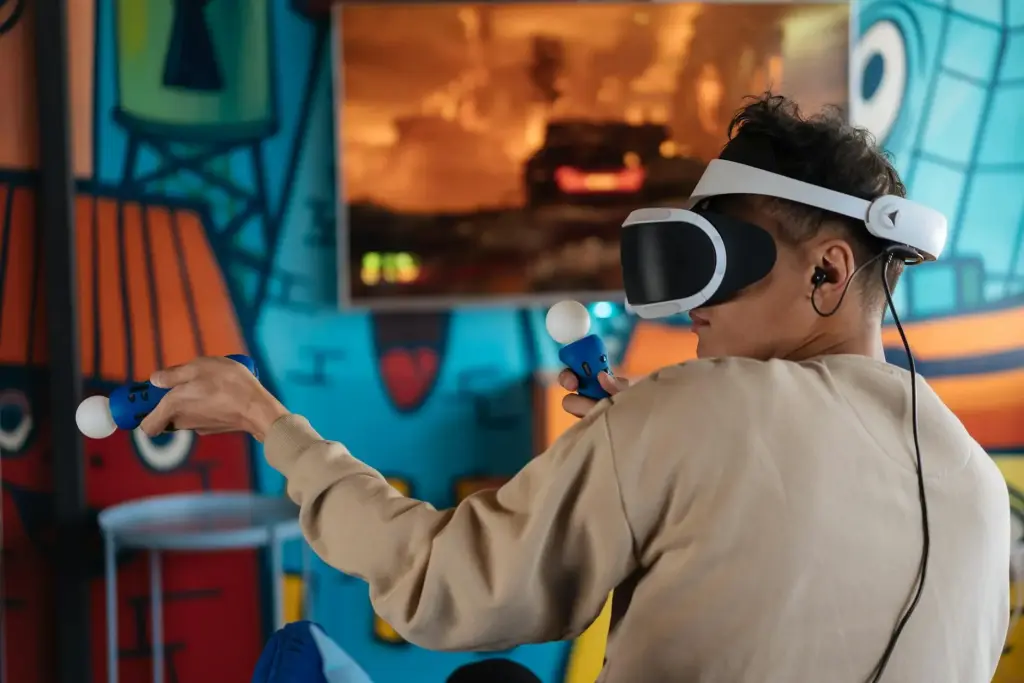
Rec Room shutting down permanently on June 1 marks the end of one of the most beloved social gaming platforms that became a pandemic lifeline for millions of Gen Z players. According to TechCrunch, the company announced Monday that Rec Room shutting down was inevitable after failing to find a sustainable path to profitability despite its massive $3.5 billion valuation.
The Rec Room shutting down announcement ends an era for a platform that helped define social VR and online gaming hangouts during the COVID-19 lockdowns. This represents a significant moment for the gaming industry and the millions of young people who grew up socializing within its virtual walls.
The Rise and Fall of a Social Gaming Giant
Founded in 2016 by Nick Fajt and Cameron Brown, Rec Room attracted more than 150 million players throughout its nearly decade-long existence. The platform became the go-to virtual hangout spot during pandemic lockdowns when everyone was desperately searching for ways to connect online while physically isolated. You can read more about how Crimson Desert is dominating Steam to see what other gaming platforms are thriving right now.
According to the Guardian and other sources, Rec Room reached its peak $3.5 billion valuation in December 2021 after raising significant venture capital funding. The company expanded rapidly, introducing innovative features like Maker AI for user-generated game creation and building an incredibly engaged community of creators and players.
Despite all this success in building an enormous user base, Rec Room struggled to figure out how to actually make money. The financial challenges led to significant layoffs earlier this year as the company tried to cut costs and find a viable business model. Now, with the Rec Room shutting down confirmation, it is clear those efforts ultimately failed.
What Rec Room Shutting Down Means for Gen Z Gamers
For a generation that grew up socializing through screens, Rec Room represented something fundamentally different from traditional competitive gaming. It was a space to hang out, create content, and build genuine friendships across geographic distances. The platform allowed users to play mini-games together, attend virtual concerts and events, or simply chat in customizable private rooms. If you are looking for alternative gaming spaces, check out our coverage of FIFA launching on Roblox for another social gaming option.
Rec Room shutting down follows a troubling pattern of layoffs and closures sweeping through the gaming industry in 2026. As reported by UploadVR, Polyarc Games recently announced significant staff reductions, joining other VR developers including Meta shuttering several first-party studios, nDreams closing two of its studios, and Mighty Coconut letting go of a quarter of its team. Cloudhead Games cut its workforce by a staggering seventy percent.
This wave of closures and layoffs reflects a broader industry correction after years of explosive growth fueled by pandemic-era demand. Companies that expanded rapidly to meet surging interest are now struggling to maintain operations as investment capital becomes scarcer and user growth normalizes post-lockdown. Even well-funded platforms with massive valuations are not immune to these market realities.
The closure highlights the ongoing challenges facing social platforms in gaming. While the company successfully built an enormous and engaged user base of 150 million registered players, converting that popularity into sustainable revenue proved elusive. Even with such impressive numbers, the platform could not generate enough income to justify its operational costs and meet investor expectations for returns.
For Gen Z gamers who spent countless hours in Rec Room during their teenage years, the shutdown represents more than just losing access to another game. It is the end of a virtual space where many formed lasting friendships, learned to create content, and experienced the early possibilities of social virtual reality. The platform helped introduce an entire generation to the concept of persistent virtual worlds and user-generated content long before the metaverse became a mainstream buzzword.
Content creators who built communities and businesses within the platform are now scrambling to find new homes. Players who purchased virtual items, invested in customizations, or built social circles within the game face an uncertain transition. The company has not yet detailed what support will be available for content creators or whether any virtual purchases will be refunded or transferred to other platforms. Gamers might want to explore upcoming Xbox Games Showcase announcements for new gaming experiences to fill the void.
The gaming landscape continues to evolve rapidly, but Rec Room shutting down serves as a sobering reminder that even billion-dollar valuations and massive user bases cannot guarantee longevity in the competitive and ever-changing world of social gaming. As the platform closes its doors on June 1, it leaves behind a legacy of connection and creativity that defined a generation's early experiences with virtual social spaces.
Comments 0
No comments yet. Be the first to share your thoughts!
Leave a comment
Share your thoughts. Your email will not be published.