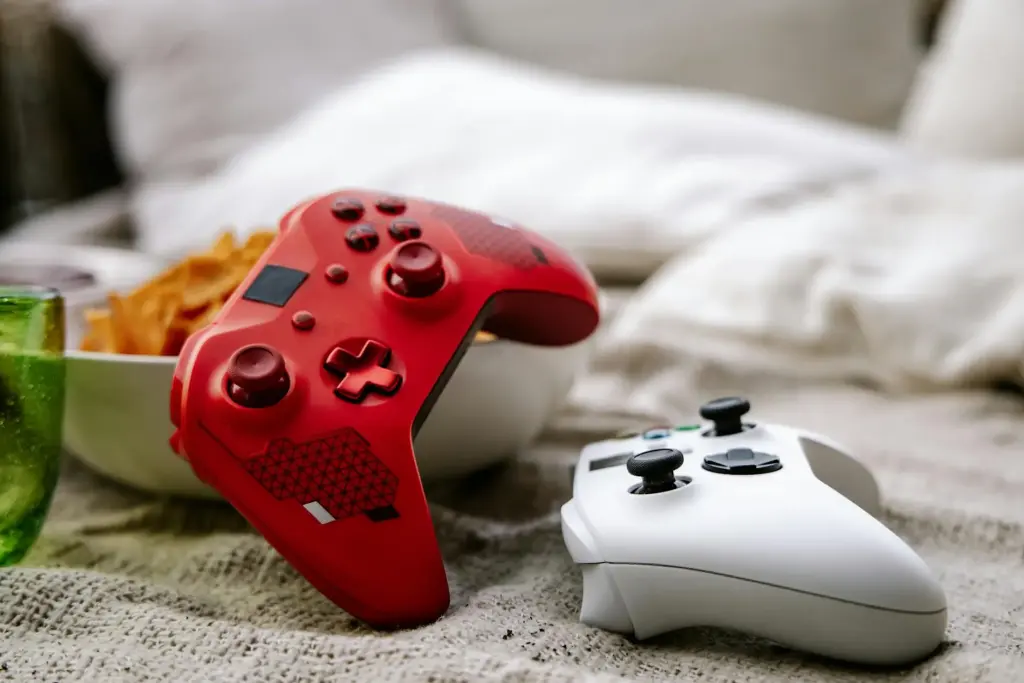
The console wars are heating up in 2026, and this week brought major news from both sides of the battlefield. Microsoft just announced its annual Xbox Games Showcase will drop on June 7, and they're betting big on Gears of War: E-Day with a dedicated Direct presentation. But while Xbox is building hype, PlayStation fans are dealing with some serious sticker shock. Sony announced global PS5 price increases effective April 2, 2026, sparking outrage among budget-conscious gamers already feeling the squeeze of inflation.
Xbox Doubles Down on Gears of War for Summer Showcase
Microsoft isn't playing around this year. The Xbox Games Showcase 2026 is locked in for June 7, and the headliner is getting the full red-carpet treatment. Gears of War: E-Day will receive its own dedicated Direct immediately following the main showcase, according to a report from IGN. This marks one of the biggest moments for the franchise since Microsoft's acquisition of developer The Coalition.
This is a significant shift from last year's strategy. Back in 2025, Microsoft kept E-Day off the main stage entirely, promising only that it would arrive sometime in 2026. Now it's getting the spotlight treatment typically reserved for flagship franchises like Halo or Forza. The move signals confidence in the prequel's development progress and suggests we might finally get a concrete release date rather than vague "coming soon" promises.
The showcase timing keeps Microsoft's tradition of occupying the old E3 slot in mid-June, even though the legendary trade show officially died years ago. Last year's presentation featured over 30 game announcements plus the surprise reveal of Xbox's ROG Ally handheld devices. Expectations are high for similar energy this time around, especially with rumors swirling about next-generation hardware teasers.
For Gen Z gamers who grew up with the original Gears trilogy, E-Day represents a return to the franchise's darker, more horror-inspired roots. The prequel format means we will see the Locust emergence from a fresh perspective, potentially exploring narrative territory the series has only hinted at before. The Coalition has been tight-lipped about gameplay specifics, but the dedicated Direct suggests substantial content ready to reveal.
Sony Hits Players With Another PS5 Price Hike
While Xbox drums up excitement, PlayStation is serving up bad news. Sony just announced global price increases for PS5 consoles effective April 2, 2026, as reported by Push Square. This marks the second major price increase since launch, pushing the Digital Edition to roughly $500 in most markets and the disc model even higher in certain regions. The announcement came with little warning, leaving retailers scrambling to update pre-orders and inventory systems.
The timing could not be worse for budget-conscious Gen Z gamers. Inflation has already squeezed discretionary spending, and now the entry point to current-gen gaming just got steeper. Industry analysts are already warning that the PlayStation 6 could break the dreaded $1,000 barrier when it eventually launches around 2028, according to Forbes. That would make it the first console to hit four figures at launch, fundamentally changing who can afford to participate in console gaming.
These rising costs are not just about hardware. Digital game prices have crept upward consistently, with $70 becoming the new standard for AAA releases. Subscription services keep adding tiers that fragment content, and the overall cost of being a dedicated gamer keeps climbing quarter after quarter. For a generation that grew up with free-to-play mobile games, affordable indie titles on Steam, and Game Pass-style value, the traditional console ecosystem is starting to feel increasingly inaccessible and outdated.
The contrast between Microsoft's hype-building and Sony's price-hiking perfectly captures where we are in 2026. Xbox is aggressively courting players with showcase promises, day-one Game Pass additions, and ecosystem value plays. Meanwhile, PlayStation seems content to monetize its established base through hardware premiums and exclusive content lockouts. Whether this strategy gap translates to market share shifts remains to be seen, but the data suggests price sensitivity matters more than ever for younger demographics.
According to recent market research, Gen Z spends more time gaming than any previous generation but allocates smaller portions of their entertainment budget to hardware purchases. They prioritize experiences over ownership, subscriptions over collecting, and multiplayer over single-player campaigns. Sony's approach risks alienating this demographic precisely when they're establishing long-term brand loyalties that could last decades.
Comments 0
No comments yet. Be the first to share your thoughts!
Leave a comment
Share your thoughts. Your email will not be published.