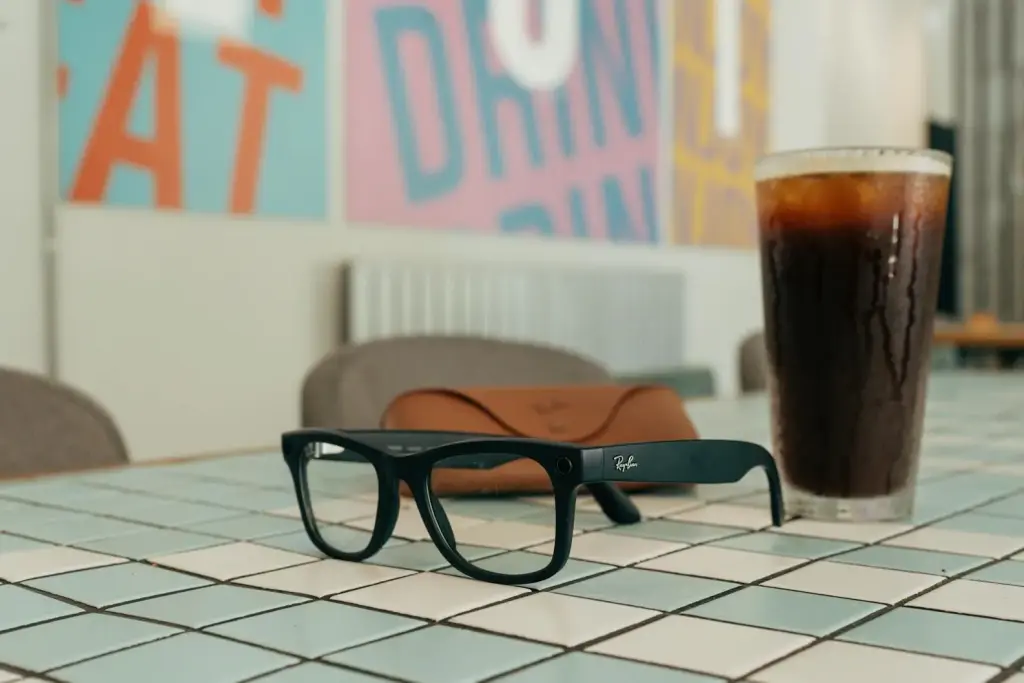
Meta just dropped two new pairs of Meta smart glasses that actually look like glasses you would want to wear. According to Gizmodo, the Blayzer Optics and Scriber Optics are specifically designed for people who need prescription lenses—finally addressing a huge gap in the wearable tech market.
New Styles That Actually Look Normal
Unlike the bulky tech-wearable look of previous generations, Meta's new Blayzer features what the company calls a "sleek rectangular frame" available in standard and large sizes. The Scriber has a more rounded frame for those who prefer that aesthetic. Both are noticeably slimmer than Meta's existing Ray-Ban Meta styles like the Wayfarer, Headliner, and Skyler.
These Meta smart glasses frames are designed to "support nearly all prescriptions" and come with practical features like changeable nose pads and adjustable temple tips—actual glasses features that smart glasses often ignore. Color options include matte black, transparent black, transparent dark olive, plus seasonal colors like transparent "Matte Ice Grey" and "Stone Beige."
The charging case also got a style update. Instead of the light brown cases from previous generations, these come in dark brown—subtle, but it shows Meta is thinking about aesthetics, not just tech specs. The case doubles as a portable charger, giving the glasses extra battery life throughout the day.
AI Features Built Into Your Eyewear
These new Meta smart glasses are not display glasses like the Meta Ray-Ban Display that Gizmodo previously reviewed. Instead, they are based on Meta's non-display AI glasses platform, which means you get the same core features as the previous generation but in a more wearable package.
The specs on these Meta smart glasses include a 12-megapixel camera, built-in open-ear speakers, 8 hours of battery life, and Meta AI integration with computer vision capabilities. At 49 grams for the standard size, they weigh about the same as the previous generation—light enough to actually wear all day without feeling like you have a computer strapped to your face.
What makes these Meta smart glasses compelling for Gen Z is that they look like actual fashion accessories rather than tech gadgets. The AI features let you take photos, get translations, identify objects, and access information hands-free—but now you can do it without looking like you are wearing a sci-fi prop.
With Meta AI built in, you can ask questions about what you are looking at, get real-time translations of text in foreign languages, and even receive reminders based on your surroundings. The camera captures photos and videos from a first-person perspective, making these popular for content creators who want to share point-of-view content without holding a phone.
Pricing starts at $499, which puts them in the same ballpark as quality prescription glasses with designer frames. The pre-orders are live now on Meta.com and through retail partners, with international availability starting April 14. For anyone who has been waiting for smart glasses that work with their prescription, these could finally be worth considering.
The move signals Meta's continued push to make smart glasses mainstream. By focusing on prescription compatibility and more subtle designs, they are clearly targeting people who actually need vision correction—not just tech early adopters. For a generation that grew up with smartphones, these Meta smart glasses could be the first wearable AI device that actually makes sense for daily wear.
Previous generations of smart glasses struggled to gain traction because they either looked too tech-heavy or did not accommodate people who require prescription lenses. These new models address both issues, potentially opening up the category to a much larger audience. Whether they succeed depends on whether Meta can convince people that wearing AI on their face is useful enough to justify the $499 price tag.
Meta has been investing heavily in wearable technology as part of its broader metaverse strategy. While VR headsets like the Quest get most of the attention, the company sees smart glasses as the more practical near-term opportunity. These prescription-friendly models could accelerate adoption among people who need vision correction every day anyway.
Comments 0
No comments yet. Be the first to share your thoughts!
Leave a comment
Share your thoughts. Your email will not be published.