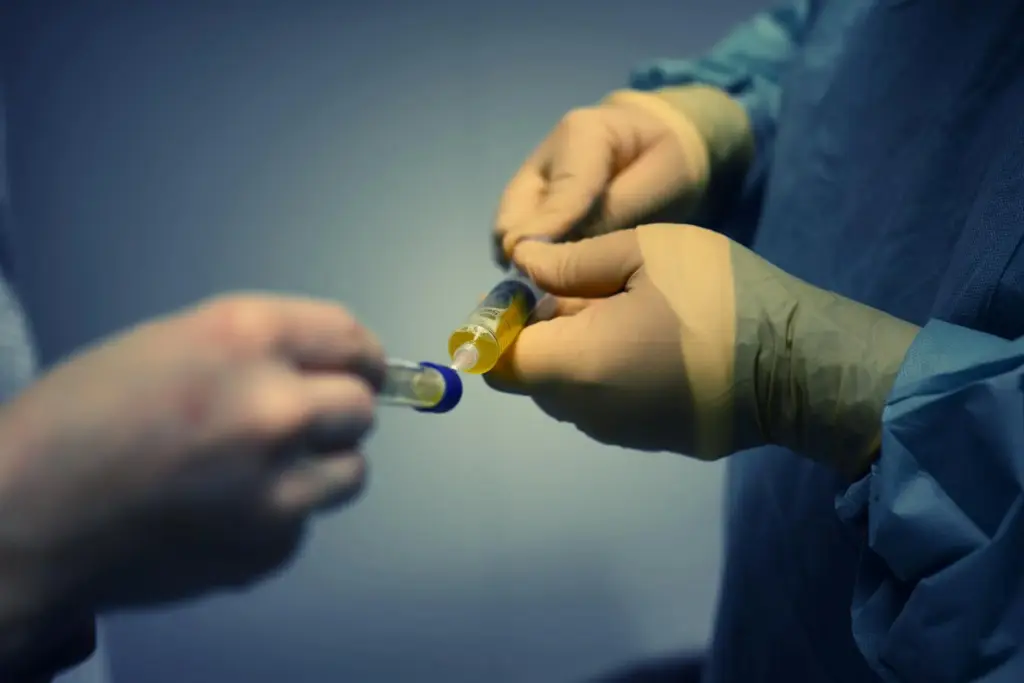
If you've ever suffered through a urinary tract infection, you know the drill. You head to urgent care, leave a sample, get prescribed a generic antibiotic, and then wait days to find out if it actually works against the specific bacteria making you miserable. That frustrating waiting game might finally be over thanks to a breakthrough UTI antibiotic test that delivers results in under six hours.
Researchers from the University of Reading, University of Southampton, and Hampshire Hospitals NHS Foundation Trust just dropped a game-changing study in JAC Antimicrobial Resistance that could transform how doctors treat UTIs. Their rapid testing method identifies the correct antibiotic with 97% accuracy in an average of 5.85 hours. Compare that to current lab methods that force patients to wait two to three days while bacteria cultures grow slowly in petri dishes.
According to the research team, this matters more than ever because antibiotic resistance is making UTIs harder to treat. NHS data shows that between 2018 and 2023, urinary tract infections led to over 800,000 hospital admissions. Even more concerning, one-quarter of urine samples analyzed in early 2023 contained antibiotic-resistant bacteria. Taking the wrong antibiotic doesn't just delay relief—it can fuel resistance and allow infections to progress into potentially life-threatening sepsis.
How This UTI Antibiotic Test Actually Works
The research team tested 352 urine samples from patients with suspected UTIs using their new rapid method. The process identifies which antibiotics will actually fight the specific bacteria causing the infection, rather than forcing doctors to make educated guesses based on general resistance patterns. When researchers tested 90 duplicate samples with and without boric acid—a common preservative used in urine collection—the results matched between both methods in 98.75% of cases, proving the test remains accurate even with standard sample storage.
What makes this development particularly exciting for Gen Z is the potential impact on accessibility. The technology is being commercialized by Astratus Limited, a University of Reading spin-out company that's working to bring the test to market. Faster results mean faster treatment, fewer unnecessary prescriptions, and reduced risk of complications that could land you in the emergency room at 2 AM.
Orlagh McGarrity, senior antimicrobial pharmacist at Great Ormond Street Hospital, called the innovation a "potential game-changer against the tide of multidrug-resistant UTIs." She emphasized that rapid and reliable antibiotic susceptibility testing is essential for improving how healthcare providers manage infections, especially in community practice settings where many young people first seek treatment.
Why This Matters for Gen Z Healthcare
Young adults are increasingly turning to urgent care clinics and telehealth appointments rather than traditional primary care relationships. Under the current system, a patient might finish their entire course of antibiotics—or discover they're taking ineffective medication—before lab results ever arrive. Oliver Hancox, chief executive of Astratus Limited, explained that this delay means "the patient gets the right treatment sooner, reducing the risk of resistance developing and their infection turning into potentially lethal sepsis."
Beyond individual patient outcomes, widespread adoption of rapid UTI antibiotic test technology could help combat the growing global crisis of antibiotic resistance. When doctors prescribe the wrong medication, bacteria survive and adapt, creating strains that future antibiotics cannot touch. Getting it right the first time preserves these critical medications for when patients actually need them.
The study's publication represents years of research into faster diagnostic methods, and healthcare professionals are already taking notice. With antimicrobial resistance recognized by the World Health Organization as one of the greatest threats to global health, innovations like this rapid testing method offer a tangible path toward better outcomes for millions of patients worldwide. For a generation that's grown up hearing about superbugs and antibiotic overuse, having access to smarter, faster testing could finally put control back in patients' hands and transform the standard of care for one of the most common infections affecting young adults today.
Read the full study details from The Pharmaceutical Journal to learn more about this breakthrough diagnostic technology and its potential impact on UTI treatment.
Comments 0
No comments yet. Be the first to share your thoughts!
Leave a comment
Share your thoughts. Your email will not be published.