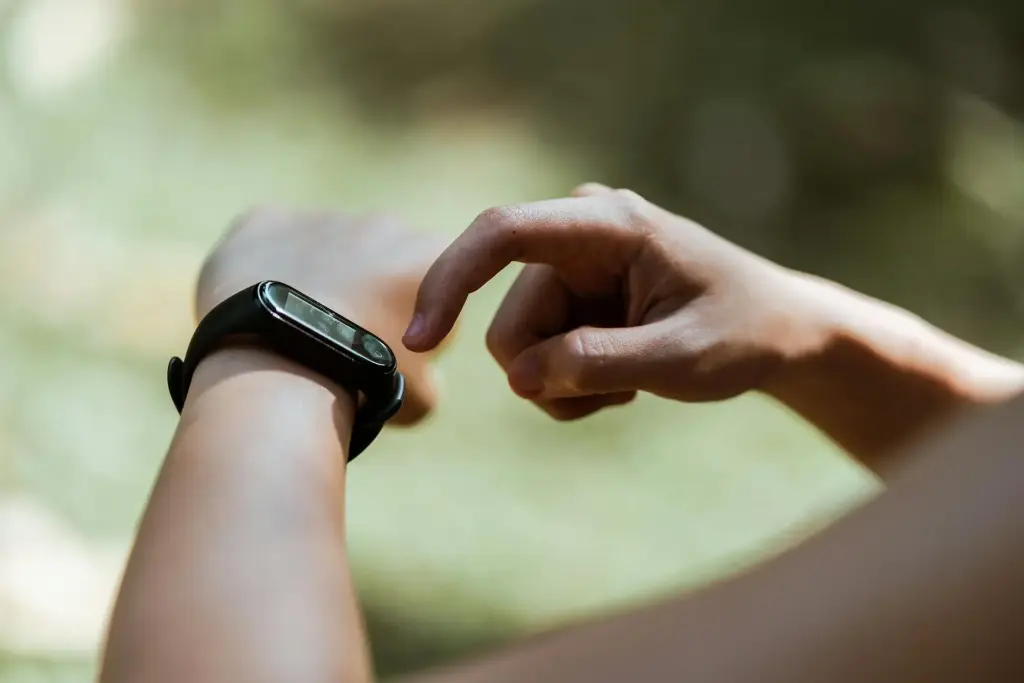
Google is preparing to launch a screenless fitness tracker that could completely reshape the wearable wellness market. According to a Bloomberg report, Alphabet's Google is actively developing this new device under the Fitbit brand, aiming to compete directly with the booming screenless wearable market dominated by Whoop and Oura Health. Read the full Bloomberg report here: Google Readies Screenless Fitbit Band.
The timing could not be more deliberate. Just days ago, Whoop announced it had raised $575 million in fresh funding, hitting a staggering $10.1 billion valuation that cemented its status as the wearable world's newest unicorn. Now Google wants in on the action, signaling that Big Tech sees serious money in the minimalist fitness tracker movement that Gen Z has been embracing. The screenless fitness tracker category is clearly having its moment.
What Makes Screenless Wearables So Popular
The screenless fitness tracker trend represents a major shift in how we think about health monitoring. Unlike smartwatches that constantly buzz with notifications and demand your attention, these devices work quietly in the background. They focus purely on collecting biometric data—heart rate variability, sleep quality, recovery metrics, and stress levels—without the digital distraction of a display.
For Gen Z workers dealing with burnout and screen fatigue, this passive approach to wellness tracking is appealing. You wear the band, it collects data, and you check your stats when you actually want to—not every time you lift your wrist. The screenless fitness tracker model prioritizes actual health insights over endless notifications, and that's resonating with young professionals who are already drowning in digital noise.
The appeal goes beyond just reducing screen time. Screenless fitness trackers are typically more comfortable to wear 24/7, have longer battery life, and can be worn in situations where traditional smartwatches feel inappropriate. Many users report better sleep quality simply because they aren't checking their watch throughout the night or being woken by unnecessary alerts.
How Google Will Challenge Whoop
According to Bloomberg's Samantha Kelly, Google's screenless fitness tracker will follow the subscription model that Whoop popularized. The device itself will include basic features, but users will need to pay for a subscription to unlock the full suite of advanced analytics and personalized insights. This approach has proven incredibly lucrative for Whoop, which charges $30 monthly for access to its detailed recovery and strain metrics.
Google brings something crucial to this fight that startups can't match: ecosystem integration. A screenless fitness tracker from Google could seamlessly sync with Android phones, Google Health, and potentially even Nest devices. Imagine your band detecting poor sleep quality and automatically adjusting your smart thermostat to optimize your bedroom temperature the next night. That's the kind of connected wellness experience Google can build.
The move also makes strategic sense for Fitbit, which Google acquired for $2.1 billion in 2021 but has struggled to position against the Apple Watch juggernaut. Rather than competing on smartwatch features where Apple dominates, Google is pivoting Fitbit toward the specialized wellness tracker niche where dedicated players like Whoop and Oura have proven there's massive demand for screenless fitness tracker devices.
Industry analysts are watching closely to see how Google prices this new offering. Whoop currently charges $30 per month with a free device, or $239 annually with a discounted membership. Oura charges $299 for its ring plus a $5.99 monthly subscription for full features. Google's entry could disrupt these pricing models significantly, potentially offering screenless fitness tracker functionality at a lower price point to capture market share quickly.
For Gen Z consumers, more competition in the screenless tracker space could mean better prices and more features. Whoop's subscription model has faced criticism for being expensive, and Google's entry could pressure the entire market to deliver more value. The wearable wars are heating up, and your wrist is the battleground where the next generation of screenless fitness tracker devices will compete.
Google plans to release the new screenless fitness tracker later this year, according to the report. With Whoop riding high on its $10 billion valuation and the wearable wellness market exploding, the timing couldn't be better for Google to make its move. Whether Gen Z fitness enthusiasts will switch from the established players to a Google alternative remains to be seen, but one thing is clear: the era of screenless health tracking is just getting started.
Comments 0
No comments yet. Be the first to share your thoughts!
Leave a comment
Share your thoughts. Your email will not be published.