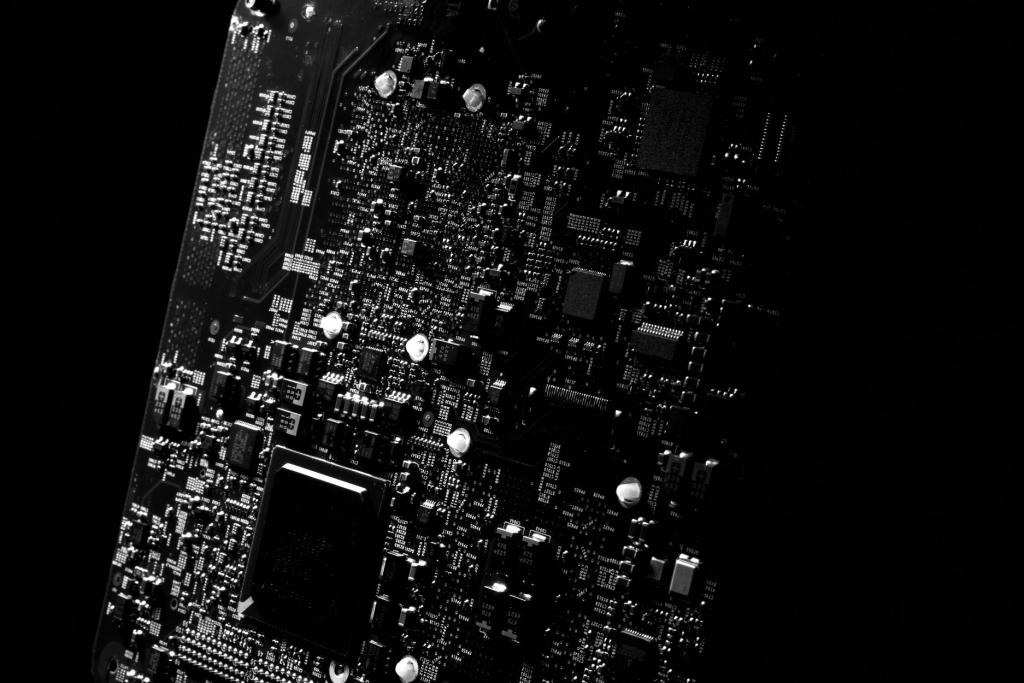
Qualcomm announced two new flagship smartphone chips on Tuesday, the Snapdragon 8 Elite Gen 6 and the Snapdragon 8 Elite Extreme Gen 6. The company unveiled both at its annual Snapdragon Summit, betting that the next wave of AI assistants will run on the phone itself instead of reaching back to the cloud for every answer.
The move sets up next year's flagship phones. Most 2027 Android flagships are likely to carry the Snapdragon 8 Elite Gen 6 or its Extreme sibling, and the features Qualcomm described will decide what those phones can do without an internet connection.
On-device AI is the headline feature
Qualcomm's pitch centers on new sensing hubs in both chips that can run small AI models of up to 200 million parameters directly on the device. With that hardware in place, a phone can act as a personal scribe, taking notes as someone speaks and telling one voice apart from another. The chips also build memory from how someone uses their phone, so suggestions for automating routine tasks get more useful over time. Qualcomm said the hardware can run a complete voice-in, voice-out AI agent on its own, without phoning home to a server.
The standard Snapdragon 8 Elite Gen 6 gets a new accelerator block designed to run AI models more efficiently. The Extreme Gen 6 goes further. Qualcomm said it can run a 30-billion-parameter mixture-of-experts model locally, activating only the parameters each task needs instead of the whole model. For comparison, Apple revealed a 20-billion-parameter mixture-of-experts model at its developer conference in June, calling it the most advanced of its third generation of foundation models.
The local angle matters for two reasons. A model that runs on the phone does not send voice recordings or usage patterns to a server, which keeps more of that data on the device. It also keeps working where the signal drops, like on a plane or in a tunnel. The economics of running AI are moving fast across the industry too: Anthropic's new Claude Opus 5.5 costs 40 percent less to run.
Cameras and calls get an upgrade too
The new CPU gives camera software finer control at the pixel level, which Qualcomm said enables more professional results. The chips improve stabilization and the way phones understand motion in a scene. On the Extreme Gen 6, the video specs tell the story: 8K recording at 60 frames per second and 4K slow motion at 240 frames per second, plus support for a new Advanced Professional Video codec aimed at serious shooters.
Both chips also lean on AI for audio. They can lift vocals and push down background noise, and they carry Qualcomm's new voice bubble technology, which isolates the caller's voice during phone calls so the person on the other end hears them more clearly. It is the kind of feature that matters most on a noisy bus or a busy street.
Motorola gets the first phone
Motorola used the same stage to announce the Motorola Signature 27, the first phone confirmed to ship with the Snapdragon 8 Elite Extreme Gen 6. Motorola said general availability would come sometime this year. No price was announced.
The chips arrive less than two weeks after Apple's September event, where the company introduced the iPhone 18 Pro and Pro Max, the foldable iPhone Duo, new Apple Watch models, and AirPods 5, according to MacRumors. Both companies are now selling the same story from opposite sides of the aisle: the assistant in your pocket is about to stop needing the cloud.
The iPhone Duo gave Apple its first foldable to defend. MacRumors reported that Apple detailed the Duo's pricing, pre-orders, release date, folding-screen internals, and crease at the event, and noted that Samsung has already mocked the device. The dust-tight IP68 rating gives Apple's foldable one clear edge over Samsung's Galaxy Z Fold8, which lacks it.
Qualcomm said it is now working on more than 40 AI-focused devices. Investors are noticing the chip boom too: AMD joined the $1 trillion club this week on AI chip fever. Still, the company acknowledged that most people will keep reaching for their phone first when they want an AI assistant, according to TechCrunch. Nothing co-founder Carl Pei has made that point before, and Apple CEO John Ternus echoed it at the iPhone Duo launch earlier this month.
Comments 0
No comments yet. Be the first to share your thoughts!
Leave a comment
Share your thoughts. Your email will not be published.