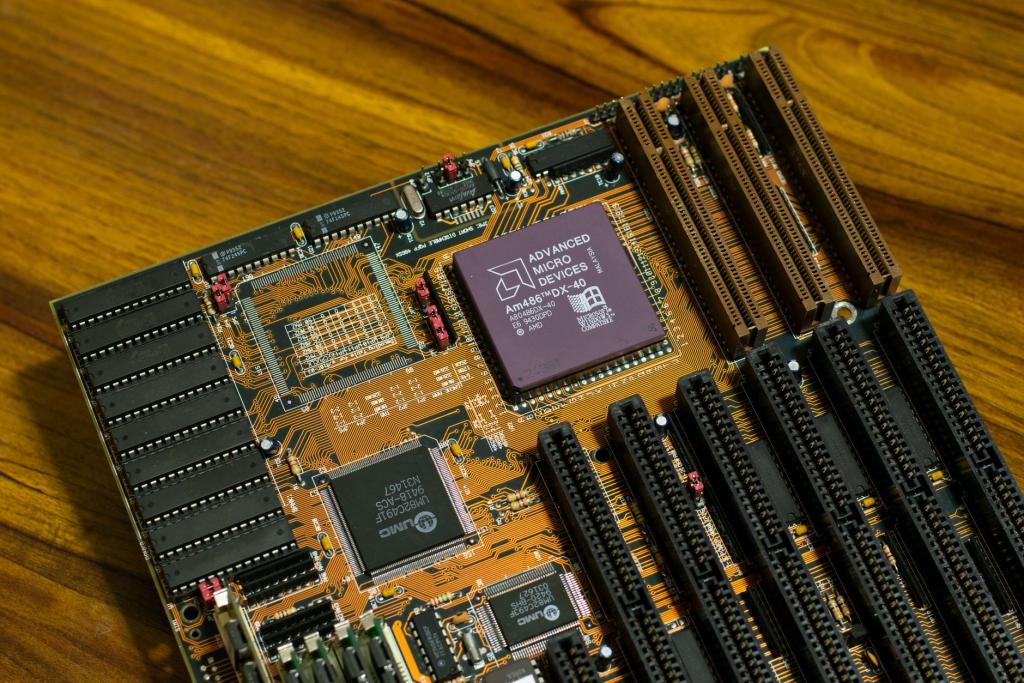
On Monday, September 21, 2026, Advanced Micro Devices did something it had never done before: it closed the trading day inside the trillion club, worth more than one trillion dollars. Shares rose nearly ten percent to a record high above $615, and the math did the rest. Reuters reported that AMD soared past the trillion-dollar line in market capitalization as investors bet on its expanding role in artificial intelligence computing.
That trillion club debut capped a strong five-day rally in which the stock gained roughly twenty-five percent. The shares are now up about 185 percent this year, one of the strongest runs of any large American company, according to CoinCentral. AMD is the fourth US chipmaker to join the trillion club, alongside Nvidia, Broadcom, and Micron, the same outlet noted. For scale, Nvidia sits at roughly $5.4 trillion, making it the most valuable company in the world. The chip sector is suddenly minting trillionaires at a pace that would have sounded absurd five years ago.
What lit the fuse
There was no new chip launch on Monday. The buying started after Meta's new AI assistant, Muse, shot to the top of Apple's App Store. The Motley Fool reported that Muse's success could become a major tailwind for the chipmaker, which counts Meta as its second-largest customer. The logic is straightforward: if AI agents catch on, they will need far more processors and server silicon than chatbots ever did.
The numbers underneath the hype are real, though. Second-quarter revenue came in at $11.54 billion, up 50 percent from a year earlier, with data center revenue up 107 percent to $6.7 billion, CoinCentral reported. Company leadership is talking even bigger: finance chief Jean Hu recently told investors the market for AMD's chips could reach as high as three trillion dollars by 2030, and told the Citi conference "it's a very exciting time for AMD," according to Stocktwits. There is also a market quirk that added fuel: OpenAI and Meta hold warrants for up to 320 million AMD shares, with final tranches tied to a $600 price, according to TheStreet. Monday's close pushed past that line.
From near-death to the trillion club
Twelve years ago the picture looked nothing like this. When Lisa Su took over as chief executive in the fall of 2014, a share of AMD cost just over $3, and the whole company was worth about $2 billion by year end, TheStreet reported, citing CNBC. Today it is worth more than five hundred times that. Su's turnaround took AMD from a distant runner-up to Intel, then to Nvidia, to a seat at the trillion club table. The Motley Fool noted that betting against the company has historically been a losing trade since she took charge.
None of that makes buying now a safe bet. The Motley Fool's own headline asked the obvious question: after a run like this, is the stock still worth buying? A stock priced for perfection has to keep delivering it, and a rally built on a narrative can fade quickly if the narrative changes. Wall Street has watched this pattern before: chip stocks that ran on AI stories in prior years gave back gains when the orders did not follow. Membership in the trillion club comes with a spotlight, and spotlights cut both ways.
What this means for your money
If you own a broad index fund, you probably already own a slice of the trillion club. AMD's surge lifted the whole semiconductor sector, with Intel jumping double digits the same day on the same Muse-driven thesis, according to the Fool. For young investors, the useful lesson is the boring one: the Gen Z ETF investing playbook is steady contributions into diversified funds, not chasing Monday's rocket after it launched.
The money cycle behind AMD's rise keeps widening. Snorkel AI's valuation tripled this month on red-hot demand for training data, and frontier markets like Vietnam are opening new on-ramps for young investors. The next test for AMD comes with third-quarter results and the rollout of its newest AI accelerators, the MI450 line, which the company is launching this quarter, according to Stocktwits. If those chips land with big customers, the trillion-dollar valuation starts to look like a floor instead of a ceiling. The next trillion club member will be whichever company builds the silicon behind the next hit app.
Comments 0
No comments yet. Be the first to share your thoughts!
Leave a comment
Share your thoughts. Your email will not be published.