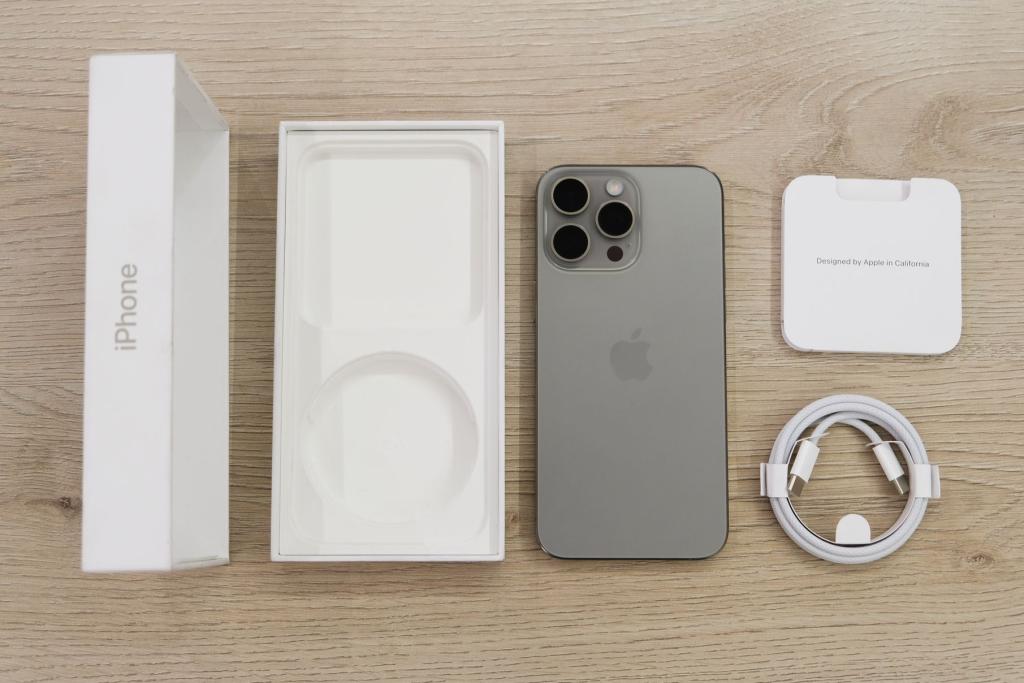
Sony Phone Scanning is turning an ordinary walk around a room into the first step of a professional virtual set. The company has opened its XYN spatial capture solution in the United States and Canada, with object scanning and more flexible plans aimed at a wider range of creators, according to a company announcement. Instead of renting a studio rig or hiring a specialist crew for every asset, a creator can shoot a space with a phone, send the captures to the cloud, and receive a three-dimensional model that can be dropped into a production scene.
The workflow has three parts, and each one handles a different job. A guided shooting app walks the user around a subject so the coverage stays complete, the cloud service builds the model from those images, and a rendering plugin helps keep the finished asset stable on screen. According to the company announcement, the resulting files work with major real-time engines and broadcast tools, which matters because many virtual sets are built in software that directors and game teams already use. The company first outlined the suite for professional customers earlier this year, and the new release broadens who can try it, with a free tier for evaluation and paid tiers for regular production.
What creators actually get
Sony Phone Scanning is priced around how much a creator makes, not around a single flat purchase. The free option is meant for learning the workflow and testing a small number of projects, while the entry paid tier costs about twenty dollars a month and grants a monthly token allowance for generation. A larger tier, priced at roughly sixty-seven dollars a month, suits creators who produce assets regularly, and a studio tier adds a commercial version of the rendering plugin for end-to-end virtual production work. Purchased tokens expire after six months, so teams need to plan shoots around that window rather than stockpiling credit indefinitely. Storage on the paid tiers is set at fifteen gigabytes, a limit that will feel generous for a handful of rooms and tight for a studio building a library.
Object scanning is the practical change that may matter most for small teams. A prop, a product, or a vehicle can now be captured in the same phone-led way as a room, which opens the door to e-commerce previews, museum-style archives, and game props made from real objects. For independent filmmakers, that means a hero chair or a storefront can be reused across scenes without rebuilding it by hand. For product teams, it means a physical sample can become a digital twin for a pitch or a virtual showroom. The appeal is speed: the phone does the travelling, the cloud does the heavy geometry, and the creator keeps creative control over framing and finish.
The timing also fits a broader shift in how sets are made. LED-wall shoots, in which actors perform in front of a giant screen showing a digital environment, have moved from blockbuster-only trickery to a tool that mid-sized productions use to avoid travel and weather delays. A believable digital room is the raw material for that trick, and a phone-captured room can be good enough for background environments, rehearsals, and previsualisation even when a hero close-up still needs a hand-built model. That division of labour is the honest promise here: faster background worlds, not a replacement for every artist.
Where the limits sit
There are real constraints, and buyers should weigh them before committing to a monthly plan. Capture quality depends heavily on light, on reflective or transparent surfaces, and on how steadily the shooter moves around the subject. A glossy car body or a mirrored lobby will still challenge any phone-based system, and the cloud step means a strong connection and patience while models generate. Compatibility is also narrower than the word phone suggests: the current release is aimed at newer Pro handsets running a recent operating system, so older devices and many Android phones are not part of the first wave. Readers who already follow phone-first storytelling will recognise the pattern from recent phone-first series coverage, where the device in your pocket sets the ceiling for what a format can do.
The counterpoint is that professional capture rigs still win on precision, on repeatability, and on the fine detail that survives a close camera move. A studio scanner can control lighting, capture texture at a known resolution, and produce files that a visual-effects supervisor can sign off without guesswork. Phone scanning trades some of that certainty for access, and that trade will suit some projects and frustrate others. The risk for a small studio is not the monthly fee alone; it is building a pipeline around a metered service whose token rules, storage limits, and supported devices can change. Keeping source photos and exported models in a local archive is a sensible guard against that lock-in.
Looking ahead, the company says laboratory-style test apps are planned for later this year, a sign that the tool is still evolving rather than finished. Broader uses are already on the roadmap, from gaming and animation to architecture, manufacturing, and cultural heritage archiving. That breadth makes sense: once a room can be captured cheaply, the same file can serve a film set, a training simulation, and a virtual tour. The test for Sony Phone Scanning will not be whether the first demos look impressive, but whether working creators keep renewing after the novelty fades. If the models hold up under real lighting, real deadlines, and real client notes, the phone in a creator's pocket becomes a legitimate location scout, set builder, and prop department in one. Investors have also been watching big debuts closely, as shown in recent market debut coverage, but the more useful verdict here will come from the studios that try it on a paid job. For now, the release gives small teams a low-cost way to experiment with a technique that was recently out of reach, and that access alone is worth noting.
Comments 0
No comments yet. Be the first to share your thoughts!
Leave a comment
Share your thoughts. Your email will not be published.