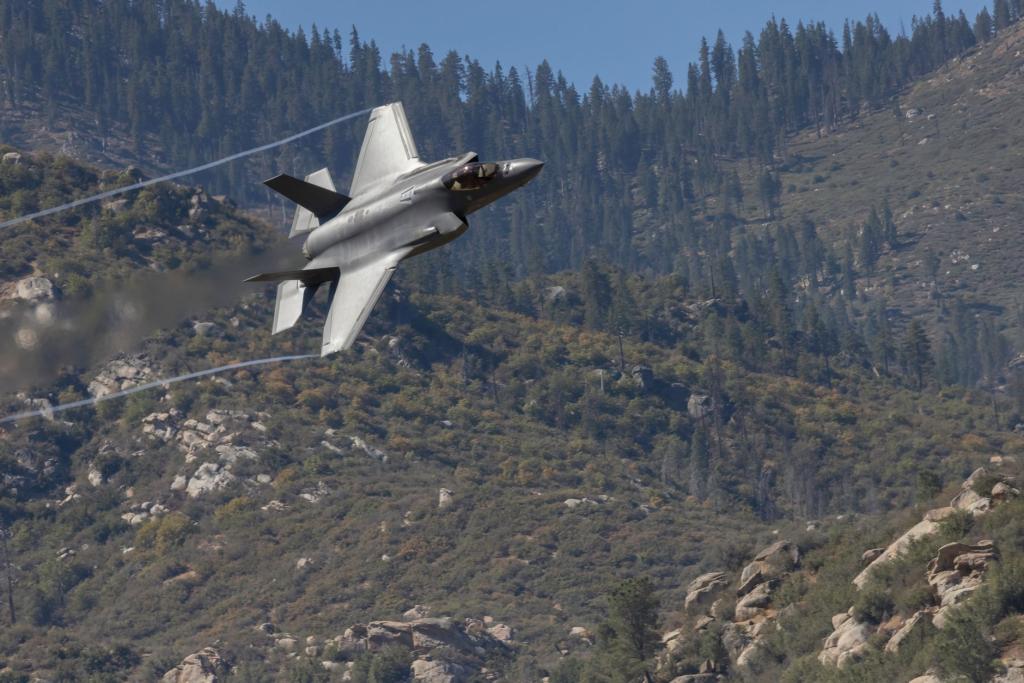
The Pakistan Afghanistan airstrikes began before dawn on Thursday, when Pakistani jets and drones hit ten locations across the frontier. It is a major escalation in a feud that has been smoldering for months, and this time civilians are paying the price: the Taliban government in Kabul says four people were killed in the southern and eastern provinces of Kandahar, Paktia and Khost.
Pakistan says it had no choice. According to reporting by Reuters, Information Minister Attaullah Tarar announced that Pakistan's air defences had picked up drones crossing in from Afghan territory on Wednesday, tracked them, and shot them down before they could reach their targets. The strikes that followed, he said, hit the sites used to launch and store those drones.
What Pakistan says happened
Islamabad's version of events starts with the drones. Tarar said in a post on X that the incoming aircraft were detected, tracked and neutralised before they could reach their intended targets. He described the retaliation as "precision aerial and drone strikes" against ten locations, "limited to identified military objectives" linked to the attempted attacks, according to Reuters. Qatar's state news agency QNA reported that Tarar called the strikes "deliberate, precise, calibrated and proportionate," and condemned the drone incursion as a "blatant violation of Pakistan's sovereignty and territorial integrity" and a "grave and unacceptable act of aggression."
He also issued a blunt warning. "Any further provocative act by Afghan Taliban will be responded with firm and resolute response," the minister said, according to Reuters.
Pakistani officials sketched a fuller picture behind the scenes. The strikes came after Taliban forces fired eight drones and shelled Pakistani border posts, following what Pakistan described as a foiled cross-border infiltration attempt by militants, the Sowetan reported. Islamabad has long accused Kabul of harbouring militants who stage attacks inside Pakistan, a charge the Taliban government denies, insisting militancy is Pakistan's internal problem.
What Kabul is saying
The Taliban's account could hardly be more different. Spokesperson Zabihullah Mujahid said the strikes hit the southern province of Kandahar as well as Paktia and Khost in the east, killing four civilians. He called the attacks "indiscriminate and cowardly" in a post on X, describing them as a flagrant violation of all principles and a clear act of what he termed "aggression and crime," as reported by IANS.
Mujahid rejected Pakistan's claim that drones had crossed the border from Afghanistan, calling it an attempt to justify what he described as the Pakistani military's inability to handle its own internal problems. "The Islamic Emirate of Afghanistan assures the people that these shameless acts of aggression and attacks by the Pakistani military regime will be met with an appropriate response through a decisive stance," he said, warning that the strikes would provoke the anger of the Afghan people.
Former Afghan president Hamid Karzai also condemned the bombings, writing on X that Pakistan must realise Afghans stand united and resolute against what he called its aggressions. On the ground in Khost, though, the picture was murkier: the provincial governor's spokesperson, Mustaghfir Gurbaz, said the strikes hit several areas of the southeastern province and reported no casualties there, according to Reuters.
Why this keeps escalating
Thursday's Pakistan Afghanistan airstrikes landed two days after Pakistani fighter jets hit sites in eastern Afghanistan that Islamabad said were militant hideouts, strikes Pakistan said killed twenty-eight militants while Kabul counted three civilian dead. And they followed an attack on a police facility in northwestern Pakistan last week that killed at least twenty-four people, an assault that reignited fighting after roughly three months of relative calm, according to Reuters.
The bigger pattern is darker. Pakistan and Afghanistan, once allies, have been trading blame over cross-border militancy for years, with Islamabad insisting the Taliban shelter the Pakistani Taliban and other groups that carry out attacks on its soil. The worst single incident this year came in March, when more than four hundred people were killed in a Pakistani airstrike on Kabul itself, a strike the Taliban said hit a drug rehabilitation centre and which Islamabad insisted targeted military installations and terrorist support infrastructure, according to Reuters.
The Pakistan Afghanistan airstrikes now threaten to derail mediation efforts by China, Turkey, Qatar and Saudi Arabia, which have been trying to broker a lasting peace between Kabul and Islamabad, the Sowetan reported. That matters beyond the two countries: the fighting has already killed hundreds this year, disrupted border trade, and drawn in some of the region's heaviest diplomatic players.
Tensions across the wider region are flaring in parallel. Earlier this week, a naval clash between India and Pakistan rocked the Arabian Sea, while at the United Nations, leaders traded stark threats over Iran's future. For Gen Z watching all of this unfold on their feeds, the map of South Asia is starting to look like one connected crisis rather than a set of separate disputes.
What happens next is hard to call. Pakistan has promised a firm and resolute response to any further provocation; the Taliban has promised an appropriate response of its own. With both sides talking retaliation and neither conceding the other's version of events, the border could see more fire before anyone sits down to talk.
Comments 0
No comments yet. Be the first to share your thoughts!
Leave a comment
Share your thoughts. Your email will not be published.