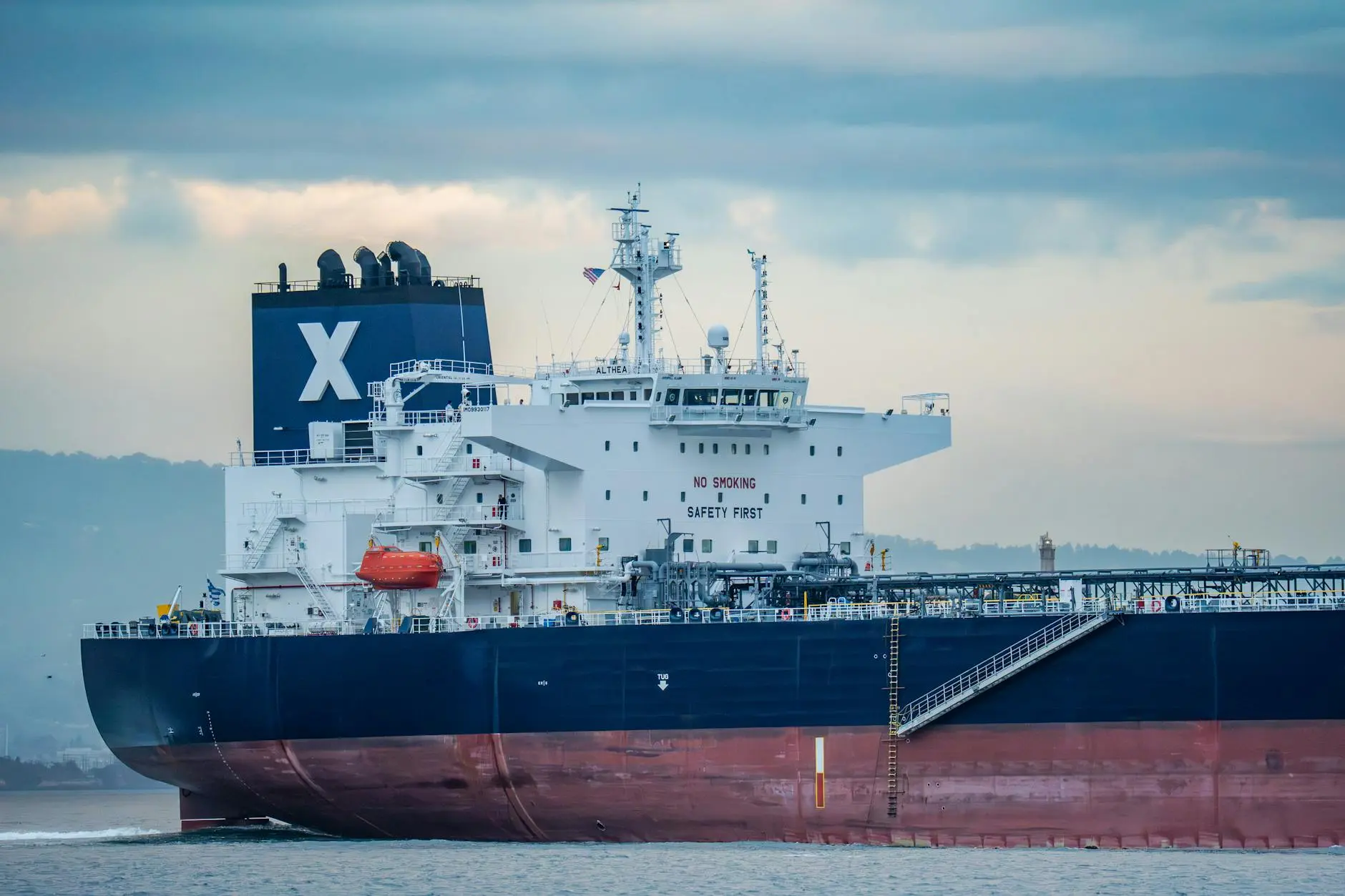
The escalating war between the United States and Iran has triggered a global energy crisis, with oil prices surgeing past $100 per barrel for the first time since 2022. Iran's decision to block the Strait of Hormuz—a critical chokepoint that handles approximately 20% of the world's daily oil supply—has sent shockwaves through global markets and raised serious concerns about economic stability. According to Reuters, the conflict has created one of the largest supply disruptions in market history.
The Strait of Hormuz Becomes a Battleground
Iran's new supreme leader, Mojtaba Khamenei, has vowed to keep the Strait of Hormuz closed as a pressure tactic against the US and its allies. According to NPR, Iranian forces have attacked over a dozen oil tankers in Iraqi waters and threatened to lay sea mines throughout the vital shipping lane. These aggressive moves have effectively shut down the primary route for Middle Eastern oil exports to global markets, causing the oil prices surge that has alarmed economists worldwide.
The strategic importance of the Strait of Hormuz cannot be overstated. As noted by the CNN Business, this narrow waterway serves as the main artery for approximately 20% of global oil shipments and a significant portion of liquefied natural gas exports. The closure represents what energy experts are calling the most severe supply disruption in decades, with the oil prices surge affecting economies from Asia to Europe.
Economic Fallout and Global Market Reaction
The economic consequences of the oil prices surge have been immediate and severe. Brent crude oil futures have soared past $100 per barrel, representing an increase of nearly 40% from pre-war levels of approximately $70. US stock markets have reacted negatively, with major indexes including the Dow Jones, S&P 500, and Nasdaq all dropping more than 1.3% in recent trading sessions. The volatility has investors worried about prolonged inflation and potential recession.
The impact extends far beyond Wall Street. According to Bloomberg, Iraq has been forced to slash oil production by 1.5 million barrels per day, while Qatar has halted LNG exports entirely. These disruptions threaten to trigger inflation spikes across Europe and Asia, with analysts warning that sustained oil prices surges above $120 could potentially push the global economy into recession. Transportation costs are rising, and consumers are already seeing higher prices at the gas pump.
Military Escalation and Human Cost
The conflict has taken a devastating human toll. Reports indicate over 1,300 deaths in Iran, 687 in Lebanon, and 12 in Israel since hostilities began. The United States has also suffered casualties, including the recent crash of a KC-135 refueling plane over western Iraq that killed all six crew members. The aircraft was operating as part of the US military campaign against Iranian targets when it went down in what officials describe as a tragic accident.
President Donald Trump announced that US forces have targeted Iran's Kharg Island, a key military installation, while deliberately avoiding strikes on vital oil infrastructure to prevent further oil prices surge. Secretary of Defense Pete Hegseth confirmed that the US Navy is preparing to escort vessels through the Strait of Hormuz as soon as militarily possible, though no clear timeline has been established for reopening this critical passage.
What's Next for Global Energy Markets
Despite a temporary lift on Russian energy sanctions announced by the White House, analysts remain pessimistic about short-term relief from the oil prices surge. The narrowly tailored sanctions pause, lasting until April 11, applies only to oil already in transit and will not provide significant financial benefit to the Russian government, according to Treasury Secretary Scott Bessent. Markets continue to price in significant risk premiums for Middle Eastern oil.
Iranian military spokesperson Ebrahim Zolfaqari warned that oil could reach $200 per barrel if regional security continues to deteriorate. Meanwhile, the International Energy Agency has released 400 million barrels from strategic reserves, though this measure has provided only limited relief from the ongoing oil prices surge. Alternative shipping routes remain limited and significantly more expensive.
For Gen Z consumers already grappling with inflation, housing costs, and economic uncertainty, the Iran war and resulting oil prices surge represent yet another challenge to financial stability. As the conflict continues with no clear end in sight, the world watches anxiously to see whether diplomatic solutions can prevent a full-scale energy crisis that could define the economic landscape for years to come.
Comments 0
No comments yet. Be the first to share your thoughts!
Leave a comment
Share your thoughts. Your email will not be published.