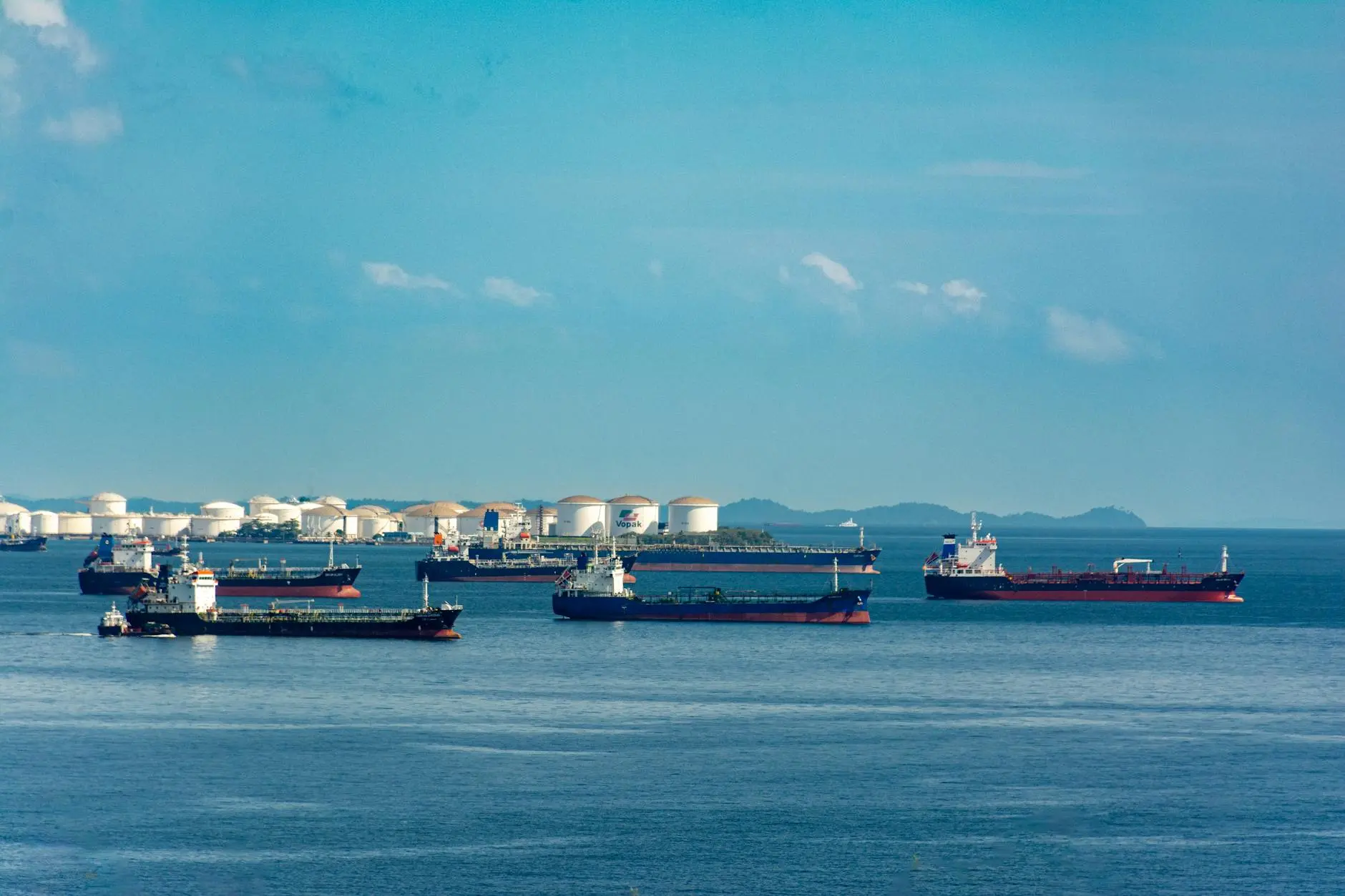
Global oil markets are in crisis as oil prices surge past $100 per barrel following Iran's effective closure of the Strait of Hormuz. The oil prices Iran war crisis has created one of the most significant energy supply disruptions in a generation, with the critical waterway that handles about 20% of the world's oil and liquefied natural gas trade effectively shut down.
Iran's new Supreme Leader Mojtaba Khamenei has vowed to maintain the blockade amid the ongoing US-Israel war with Iran. Traffic through the strait has ground to a halt, with only a handful of vessels passing through each day compared to an average of 138 daily transits before the conflict began. The oil prices Iran war situation is already translating into higher gas prices, stock market volatility, and potential impacts on everything from travel costs to consumer goods for Gen Z around the world.
What Is Happening at the Strait of Hormuz?
The Strait of Hormuz, located off Iran's coast, is the world's most important oil chokepoint. About one-fifth of global petroleum shipments pass through this narrow waterway daily. When the US and Israel launched joint strikes on Iran on February 28, 2026, the conflict immediately threatened this vital trade route.
According to the UK Maritime Trade Operations center, no more than five ships have passed through the waterway each day since the war began. Iran has reportedly begun laying mines throughout the strait and has threatened to attack any vessel that dares to traverse the passage.
In his first public statement, Iran's new Supreme Leader announced that the strait will remain closed as a tool of pressure against the US and its allies. He also warned that all US bases in the region will be attacked unless they shut down, according to reporting by CNN.
The Impact on Global Oil Prices
Brent crude, the international benchmark, surged more than 9 percent on Thursday as traders weighed the prospect of weeks or even months of turmoil in energy markets. Goldman Sachs has warned that oil prices could breach $150 per barrel by the end of the month if the disruption continues without resolution.
The price spike marks the first time oil prices have traded above $100 since Russia's invasion of Ukraine in 2022. For context, prices were already rising in January and February before accelerating dramatically after the US-Israeli attack on Iran. The oil prices Iran war crisis has pushed energy markets into uncharted territory.
As reported by CNBC, major Middle East producers including Kuwait have already cut output because they are running out of storage space as oil barrels pile up with nowhere to go. Kuwait Petroleum Corporation announced precautionary cuts to production and refinery output due to Iranian threats against safe passage through the strait.
Why This Matters for Gen Z
The oil prices Iran war crisis affects young people in immediate and tangible ways. Gas prices are climbing globally, making daily commutes and travel more expensive. Stock markets have experienced significant volatility as investors worry about broader economic impacts.
The International Energy Agency has announced plans to release 400 million barrels of oil reserves to help stabilize markets, but analysts question whether this will be sufficient given the scale of the disruption. According to NPR, the closure of the Strait of Hormuz is enormously disruptive but would also be quick to reverse once reopened.
Beyond immediate economic impacts, the oil prices Iran war crisis highlights how dependent the world remains on fossil fuels and centralized energy supply chains. About 20% of global oil consumption flows through a single narrow waterway, making the entire global economy vulnerable to regional conflicts.
The US Response and Naval Operations
The United States has indicated it may eventually escort vessels through the strait, though Energy Secretary Chris Wright said the US is not yet ready to do so safely. This strategy was used successfully during the Iran-Iraq war in the 1980s, though the US was a neutral party in that conflict rather than a direct combatant.
The challenge of protecting shipping through the strait is significant. Iran has threatened to attack any vessels attempting passage, and its forces have demonstrated the capability to disrupt traffic through mine-laying and missile attacks. The US would need to commit substantial naval resources to clear mines, escort convoys, and deter Iranian attacks.
If the strait remains closed for an extended period, major oil-consuming nations including the US, China, and European countries will likely drain their strategic petroleum reserves to keep prices manageable. However, these reserves are finite and cannot offset a prolonged disruption caused by the oil prices Iran war crisis.
The Geopolitical Context
The US-Israel war with Iran began with coordinated strikes on Iranian nuclear facilities and military infrastructure. The conflict has escalated as Iran has retaliated against US bases in the region and blocked the Strait of Hormuz to pressure the international community.
President Donald Trump has defended the military action against Iran despite rising oil prices. As reported by CNBC, he posted on Truth Social that higher short-term oil prices are a very small price to pay for destroying Iran's nuclear threat.
Iran has claimed it is prepared to fight a long-term battle, suggesting the conflict could drag on for weeks or months. The new Supreme Leader's first public statement indicates the regime is prepared to absorb significant economic pain to maintain pressure on the US and its allies.
When Will the Crisis End?
Analysts are divided on how long the strait will remain closed and how high oil prices might climb. Much depends on the military situation on the ground, diplomatic negotiations, and whether the US commits forces to reopen the waterway.
If the strait reopens quickly, oil prices could fall back as supplies resume normal flows. However, if the closure extends for weeks or months, prices could spike to levels not seen since 2008. Some analysts have warned of potential $150-per-barrel oil if the oil prices Iran war crisis continues through the month.
For Gen Z watching this crisis unfold, the situation is a reminder of how interconnected global energy markets are, and how quickly regional conflicts can have worldwide economic consequences. The war in Iran demonstrates that energy security remains a critical issue even as the world transitions toward renewable sources.
Comments 0
No comments yet. Be the first to share your thoughts!
Leave a comment
Share your thoughts. Your email will not be published.