How the Iran Conflict Started
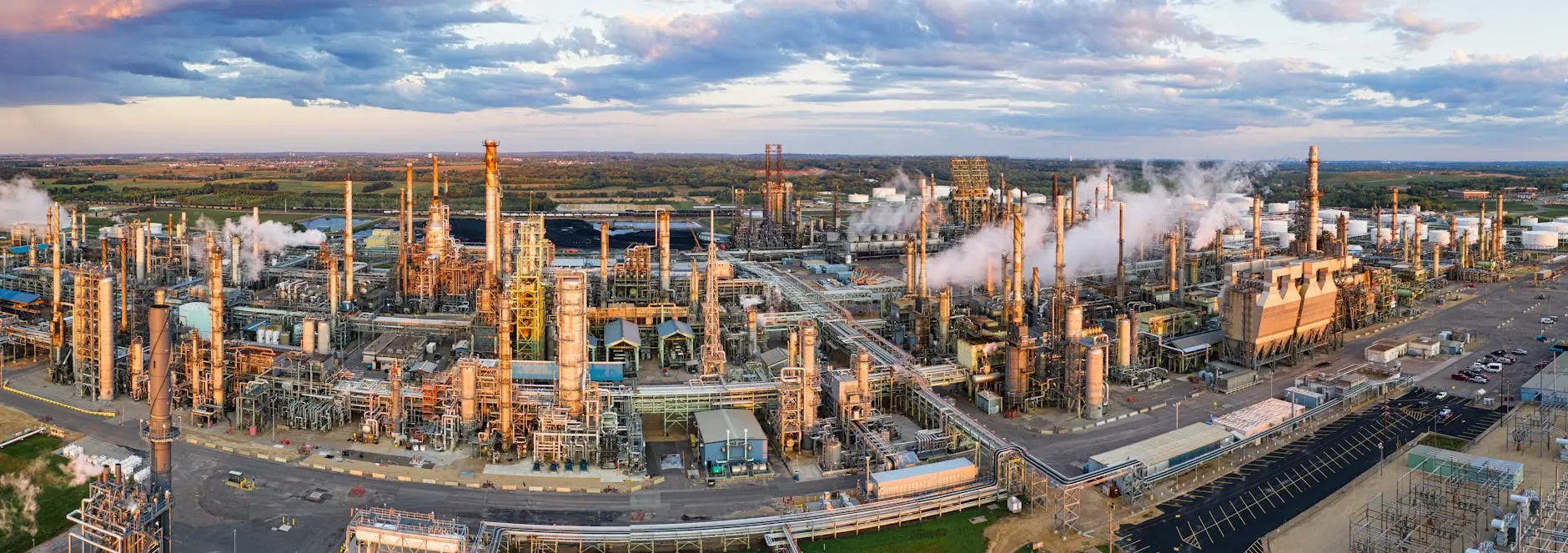
What started as regional tensions has rapidly evolved into a full-blown military confrontation involving the United States, Israel, and Iran. Recent strikes have targeted oil infrastructure, sending shockwaves through global energy markets.
The Strait of Hormuz, a critical chokepoint for world oil supplies, has become a flashpoint in the conflict. Nearly 20% of global oil shipments pass through this narrow waterway, making it essential to the world economy.
According to energy analysts at Goldman Sachs, the risk of sustained supply disruptions has pushed Brent crude prices to their highest levels since 2022. Analysts warn we're looking at a potential supply crunch that could last months.
Why Oil Prices Iran Conflict Matters for Gen Z
Gen Z is already grappling with inflation, student debt, and a challenging job market. Rising oil prices threaten to make all of these problems worse. The oil prices Iran conflict isn't just a distant war—it's a direct threat to your financial stability.
Transportation costs are the most immediate impact. Gas prices are already climbing, with the national average expected to hit $4.50 per gallon by summer according to AAA fuel price forecasts. For young people who rely on cars for work or school, this is a direct hit to already-stretched budgets.
Air travel is also taking a hit. Airfares have doubled on some international routes as jet fuel costs spike. That summer trip you were planning just got significantly more expensive. The International Air Transport Association reported that fuel costs now represent nearly 30% of airline operating expenses.
Everyday goods are affected too. Higher transportation costs mean higher prices for everything from groceries to clothing. Supply chain disruptions from the conflict could create shortages of key products that Gen Z relies on daily.
Economic Ripple Effects of the Oil Crisis
Wall Street has taken notice of the oil prices Iran conflict impact. All three major U.S. stock indexes have declined for three consecutive weeks, with energy-sensitive sectors getting hit hardest.
The Dow Jones Industrial Average shed nearly 750 points in a single day this week as investors processed the implications of prolonged conflict. Markets are clearly nervous about where this situation is headed.
According to CNBC market reports, Bank of America strategists warned clients that stagflation risks are returning. High inflation plus slowing growth is the worst-case scenario for young people entering the workforce.
The U.S. Energy Information Administration confirmed that crude oil inventories are tightening faster than expected, contributing to the price surge that has caught many analysts off guard. This data suggests the situation may worsen before it improves.
Government Response to the Iran Crisis
The International Energy Agency announced plans to release 400 million barrels from strategic reserves to stabilize markets. However, experts question whether this will be enough to offset potential supply disruptions from the oil prices Iran conflict.
The U.S. Navy has begun escorting commercial vessels through the Strait of Hormuz, though military officials warn this could take weeks to fully implement. According to Reuters coverage, Secretary of Defense Pete Hegseth stated we're committed to keeping global energy flows moving.
President Trump initially suggested the war could take four to five weeks, but Iran has signaled it's prepared for a longer confrontation. This could potentially extend the oil prices Iran conflict into a protracted regional crisis affecting markets for months.
What Gen Z Should Do Now
For Gen Z, the key takeaway from the oil prices Iran conflict is this: energy security isn't abstract policy—it's personal finance. The choices you make about transportation, spending, and savings may need to adapt quickly to a world where energy costs significantly more.
Consider budgeting for higher gas costs if you commute regularly. Look into carpooling or public transit where possible to offset rising expenses. Every dollar saved on transportation can help offset other rising costs.
Book travel early before prices climb further. Airlines may increase fares multiple times as fuel costs rise. Locking in rates now could save significant money on summer plans.
Stock essentials in case supply chain disruptions worsen. Having basics on hand can help you avoid price spikes on everyday items. A little preparation goes a long way during market volatility.
Stay informed about developments that could affect your region. Knowledge is power when markets are volatile. Following trusted news sources helps you anticipate and adapt to changes.
The oil prices Iran conflict is a stark reminder of how interconnected our global economy has become. Events thousands of miles away can reshape your local reality in unexpected ways. Stay prepared and adaptable as this situation continues to evolve.
Comments 0
No comments yet. Be the first to share your thoughts!
Leave a comment
Share your thoughts. Your email will not be published.