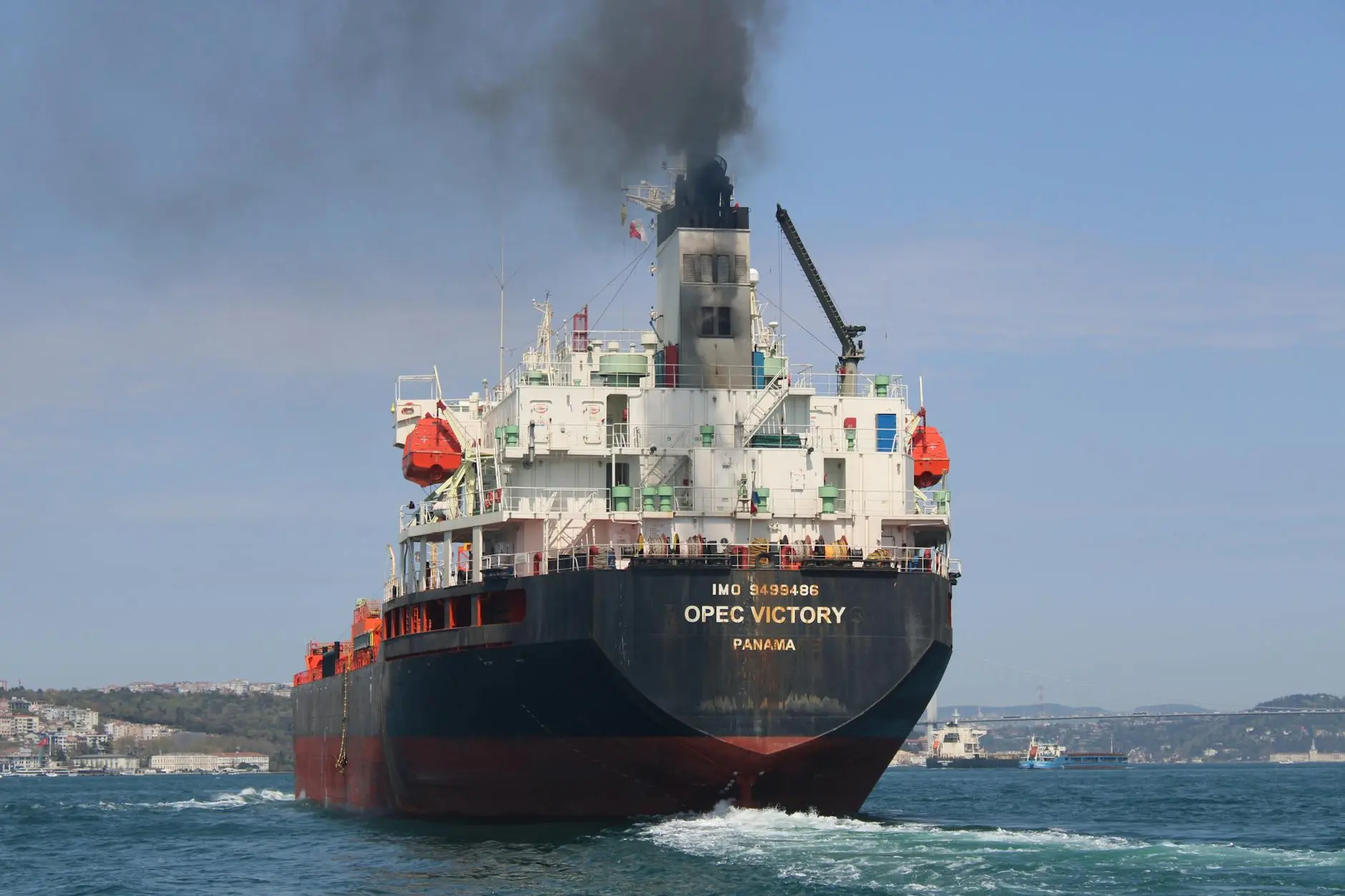
The world is staring down its most severe energy crisis in decades as the US-Iran war explodes into a full-blown global oil emergency. In an unprecedented move, the International Energy Agency announced a historic IEA oil release of 400 million barrels from strategic reserves—its largest coordinated action ever—to prevent prices from completely spiraling out of control. According to The New York Times, this marks the largest-ever disruption in global oil supplies.
Iran's Blockade of the Strait of Hormuz
Iran has dramatically intensified attacks on oil tankers navigating the Strait of Hormuz, the planet's most critical oil chokepoint that previously facilitated the movement of 20 million barrels daily. The IEA oil release comes as a direct response to these escalating attacks that threaten the global economy.
According to Reuters reporting, Iranian Revolutionary Guards have claimed responsibility for firing on merchant ships and laying mines throughout the waterway. This aggressive strategy has effectively disrupted global energy flows, creating panic across international markets.
Iran's new Supreme Leader Mojtaba Khamenei has issued defiant warnings, vowing to keep the Strait closed indefinitely. He has warned the world to prepare for oil prices hitting $200 per barrel if the conflict continues escalating. This represents a direct threat to global economic stability, as the Strait of Hormuz controls roughly one-fifth of the world's petroleum consumption.
CNN reports that Iran has attacked over a dozen ships and deployed mines throughout the waterway as part of its asymmetric warfare strategy. This coordinated assault on commercial shipping marks a significant escalation in the ongoing conflict and threatens significant international trade.
Trump's Escalating Threats and Military Response
President Donald Trump has issued increasingly aggressive threats against Iran through his Truth Social platform. According to AP News, Trump has explicitly warned Iran against blocking the Strait of Hormuz, promising significant military retaliation if oil shipments face further disruptions.
The New York Post reports that Trump wrote inflammatory messages indicating his administration's commitment to continuing military pressure against Iranian targets. Despite occasionally suggesting the war could conclude soon, the administration has maintained intensive military strikes targeting Iranian naval assets and military infrastructure.
Trump has publicly stated that Iran's Navy has been largely destroyed, claiming their Air Force no longer poses a significant threat. However, Iranian forces continue demonstrating their capacity to disrupt commercial shipping lanes despite these assertions.
The IEA Oil Release and Market Impact
The IEA oil release of 400 million barrels represents an extraordinary intervention designed to stabilize global energy markets. Coordinated primarily by the United States alongside other member nations, this strategic reserve release aims to offset the massive supply disruptions caused by the Iran conflict.
However, despite this historic IEA oil release, Brent crude prices still briefly exceeded $100 per barrel. Gulf countries have curtailed exports by at least 10 million barrels daily, creating a significant supply gap that strategic reserves struggle to fill completely.
According to AP News, European nations are now implementing emergency measures including price caps and demand controls to mitigate the crisis impacts on their economies. These drastic steps demonstrate the severity of the current energy emergency.
NPR notes that Iran's persistent threats have already caused oil prices to reach their highest levels in nearly four years. The IEA oil release represents a desperate attempt to prevent further economic damage from these escalating tensions.
What This Crisis Means for Gen Z
This conflict is already hitting young people's wallets worldwide. Rising fuel prices are driving up costs for everything from daily transportation to grocery bills. The IEA oil release may provide temporary relief, but sustained high prices could impact employment, inflation, and economic opportunities for years to come.
As the situation remains volatile with ongoing attacks and military strikes, young people should stay informed about how geopolitical tensions directly impact daily life and the broader global economy. Understanding these connections helps Gen Z navigate an increasingly complex world where international conflicts quickly translate into personal financial pressure and uncertainty.
Comments 0
No comments yet. Be the first to share your thoughts!
Leave a comment
Share your thoughts. Your email will not be published.