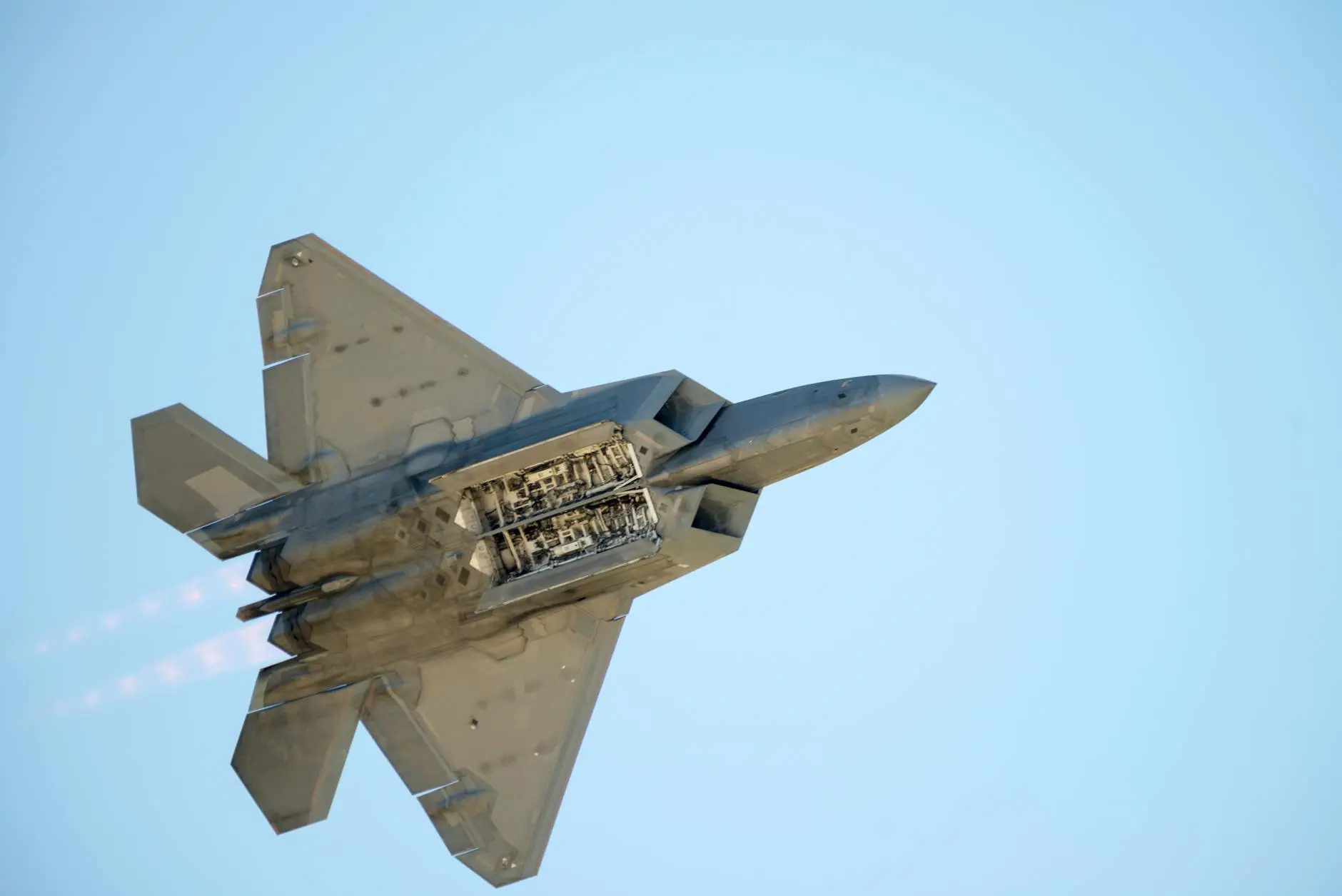
The KC-135 Stratotanker: A Cold War Relic in Modern Combat
The KC-135 Stratotanker crash in western Iraq on March 12, 2026, has drawn attention to an aircraft that has been the backbone of American air power for over six decades. According to Military.com, the refueling aircraft went down during Operation Epic Fury, killing at least four of its six crew members and marking a tragic moment in the ongoing conflict with Iran.
The KC-135 Stratotanker first entered service with the U.S. Air Force in 1957, based on the same airframe as the Boeing 707 passenger jet that revolutionized commercial aviation. Despite being older than most of the pilots who fly it, this aircraft remains essential to American military operations worldwide. Its ability to refuel other planes mid-air extends their range and endurance, enabling operations that would otherwise be impossible.
What Happened in Western Iraq
According to Defense News, the KC-135 Stratotanker went down in friendly airspace over western Iraq at approximately 2 p.m. ET on March 12. U.S. Central Command confirmed that four crew members were killed, though some reports initially suggested all six aboard may have perished.
The crash involved two aircraft—both KC-135s according to the New York Post—with the second plane landing safely. Notably, CENTCOM stated the incident was "not due to hostile fire or friendly fire," suggesting mechanical failure, human error, or environmental factors as potential causes. An investigation is underway to determine exactly what caused the loss of this aircraft and its crew.
The Islamic Resistance in Iraq, an umbrella group of Iran-backed armed factions, initially claimed responsibility for taking down the aircraft. However, U.S. military officials disputed this claim, emphasizing that the crash occurred in friendly territory and was not combat-related. This disconnect between claims and official statements highlights the complex information environment surrounding modern conflicts.
Why the KC-135 Remains Irreplaceable
Despite its age, the KC-135 Stratotanker continues to serve because no other aircraft can match its combination of fuel capacity, reliability, and operational flexibility. The Air Force operates hundreds of these tankers, and they have supported virtually every major American military operation since the Vietnam War. From Desert Storm to the current Operation Epic Fury against Iran, these aircraft enable the global reach of U.S. air power.
The KC-135's design allows it to refuel multiple types of aircraft using different systems. It can service Air Force fighters using a boom system, while also providing drogue refueling for Navy, Marine Corps, and allied aircraft. This versatility makes it indispensable in coalition operations where different nations fly different aircraft types.
For Gen Z readers unfamiliar with military aviation, think of the KC-135 as a flying gas station. Just as your phone needs charging to keep working, fighter jets need fuel to stay airborne. Without tankers like the KC-135, American aircraft would be limited to operating within a few hundred miles of their bases rather than projecting power across entire regions.
Operation Epic Fury and the Human Cost
The KC-135 Stratotanker crash brings the human cost of Operation Epic Fury into sharp focus. According to Politico, this incident marks the fourth manned U.S. aircraft lost during the conflict against Iran. Before this crash, seven U.S. service members had been killed in action and approximately 140 wounded—eight severely—during the opening weeks of the operation.
The KC-135 crew represents a specialized and often overlooked segment of military personnel. Aerial refueling demands exceptional skill, coordination, and nerve. Tanker crews fly large, vulnerable aircraft into contested airspace so that fighters and bombers can complete their missions. They are essential to operations yet rarely receive the recognition given to combat pilots.
As the Iran conflict continues, the role of tankers like the KC-135 becomes increasingly critical. Long-range strike missions require multiple refuelings, and aircraft patrolling vast operational areas depend on tanker support to maintain continuous coverage. The loss of even one KC-135 impacts operational capacity and puts additional strain on remaining crews and aircraft.
The Future of Aerial Refueling
The KC-135 Stratotanker's continued service raises questions about modernization and replacement. The Air Force has been developing the KC-46 Pegasus to replace aging KC-135s, but the program has faced significant delays and technical challenges. Meanwhile, decades-old KC-135s continue flying combat missions with airframes that have accumulated tens of thousands of flight hours.
For Gen Z considering careers in military aviation or aerospace engineering, the KC-135 story offers important lessons about the gap between technological capability and operational necessity. Sometimes the old workhorse keeps running because replacing it proves more difficult than maintaining it. The aircraft lost in Iraq may have been older than the parents of the airmen who died operating it.
As investigations continue into the cause of this crash, the KC-135 Stratotanker will keep flying. It remains essential to American military operations even as it approaches 70 years of service. For the families of those lost and for a generation of young Americans learning about this conflict, the KC-135 represents both the enduring nature of air power and the human cost required to maintain it.
Comments 0
No comments yet. Be the first to share your thoughts!
Leave a comment
Share your thoughts. Your email will not be published.