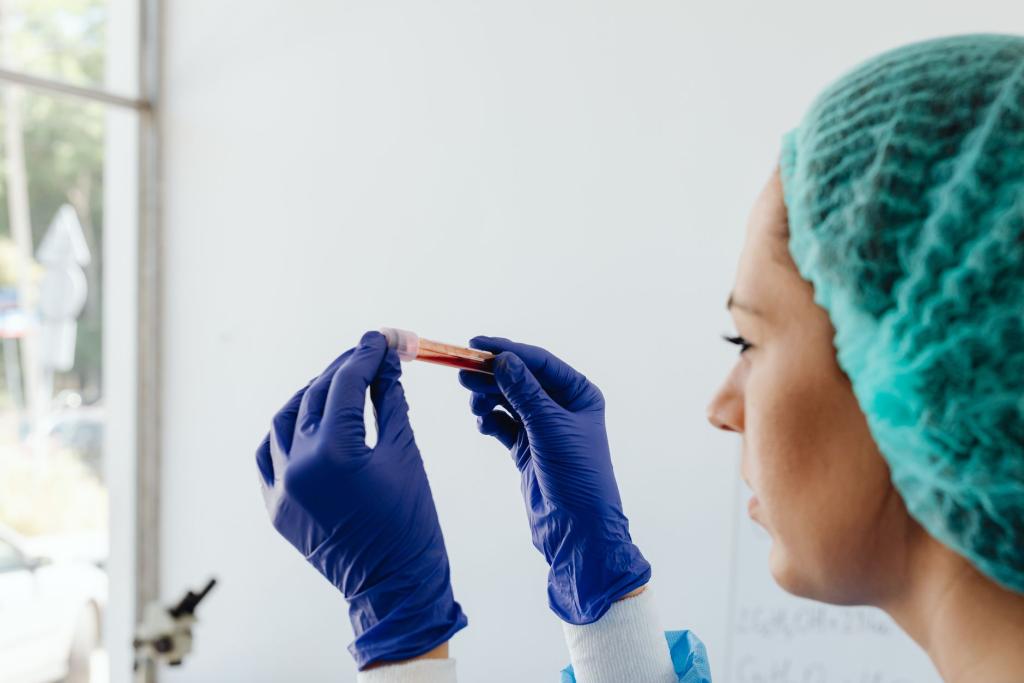
Pancreatic cancer has the lowest five-year survival rate of any major cancer, just fourteen percent, largely because it is almost always found too late. Around ninety percent of patients learn they have it only after the tumor has already spread beyond the pancreas, when treatment options shrink fast. A new PANXEON blood test could change that timing, and in a large international study published this month it caught nearly nine in ten early-stage cases.
The test was developed by researchers led by City of Hope, one of the largest cancer research organizations in the United States, and the early numbers for this PANXEON blood test are unusually strong. Senior author Ajay Goel, who chairs the Department of Molecular Diagnostics and Experimental Therapeutics there, said the point of the work is straightforward. "Pancreatic cancer remains so deadly largely because we find it after the window for cure has begun to close," Goel said. "For patients, these findings represent progress toward finding pancreatic cancer before symptoms appear and while more treatment options remain available."
Most earlier blood-based cancer tests looked for a single warning sign in the blood. PANXEON takes a different approach. It measures three different markers at once: tiny fragments of genetic material called microRNAs that circulate in the blood, a second set of microRNAs carried inside microscopic capsules called exosomes, and a protein called CA19-9 that can rise in people with pancreatic cancer. Artificial intelligence then combines the three measurements into a single score estimating a patient's risk. The researchers say it is the first investigational test to roll all three markers into one.
What the study actually found
The study behind the headlines was big and deliberately global. Researchers tested the PANXEON blood test on nearly eighteen hundred participants across the United States, Europe, and Asia, including people with early pancreatic cancer, people at higher risk, and healthy controls. The findings were published on September 16 in Nature Medicine, one of the most respected medical journals in the world.
The headline result: the test correctly identified 86.8 percent of stage 1 and stage 2 pancreatic cancers, the earliest stages, when tumors are still treatable and sometimes curable. Among low-risk people without the disease, only about 3.2 percent got a false-positive result. In higher-risk groups, the false-positive rate was higher, at 15.6 percent, which is an important caveat for anyone imagining this as a routine annual test.
The test also picked up something even earlier. It detected high-grade dysplasia, a precancerous condition that specialists sometimes call stage 0 pancreatic cancer, in 64.3 percent of people with high-risk pancreatic cysts. That matters because it could one day help doctors decide which cysts actually need close monitoring or preventive treatment, and which can be left alone.
The researchers are clear about what the study does not prove. It measured how accurately the test finds disease, not whether using it as a screening tool actually helps people live longer. Larger studies that follow patients over time are still needed before the PANXEON blood test could become part of routine care, and for now it remains investigational rather than something a doctor can order.
That caution is worth holding onto. Blood-based cancer screening has a long history of exciting results that needed years of follow-up before reaching clinics. But the numbers here are unusually strong for such an early stage, and pancreatic cancer is exactly the kind of disease where an early signal could matter most, since there is no widely recommended screening test for it today.
Who could benefit first
If the test keeps proving itself, the first people to get it will not be the general public. The researchers point to groups already known to be at elevated risk: people with an inherited genetic risk, a strong family history of the disease, pancreatic cysts, or chronic pancreatitis. Many of them already undergo regular scans and monitoring, and a blood test could help doctors decide who needs further imaging and who does not.
Goel emphasized that PANXEON is not meant to replace scans or biopsies. Instead it would work as a triage tool, flagging the people who most need a closer look. For a cancer where surgery can cure the disease only when it is caught early, that kind of sorting could save lives even before the test itself is perfect.
The broader trend here is hard to miss. Blood tests for early cancer detection, often called liquid biopsies, are becoming one of the busiest areas in medicine, and artificial intelligence is increasingly the engine combining their signals. As reported by Knowridge, the PANXEON blood test results drew on scientists and medical centers from several countries, and the study was years in the making. GenZNewZ has covered how AI is moving deeper into healthcare before, including the Medicare AI prior authorization pilot that left patients waiting and the survey finding that one in three women say doctors did not believe them. The Food and Drug Administration is also paying closer attention to new medical products, as seen in its first workshop reviewing testosterone therapy for women.
A blood draw that catches the deadliest cancer while there is still time to act is an idea worth chasing. The PANXEON blood test is not there yet, but for the first time in a while, the chase looks genuinely promising.
Comments 0
No comments yet. Be the first to share your thoughts!
Leave a comment
Share your thoughts. Your email will not be published.