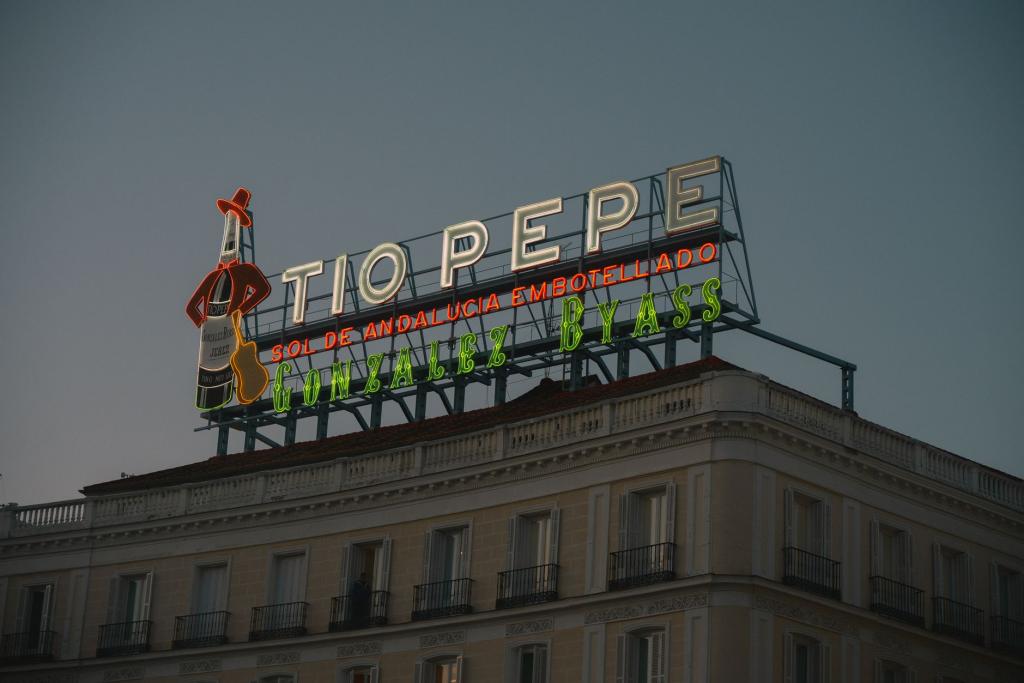
In Madrid, a housing protest that began with one woman's eviction has become a parliamentary cliffhanger. On Friday, October 2, Spain's Congress holds an extraordinary vote on two emergency tenant-protection decrees that the housing protest movement spent a week camped in Puerta del Sol to win — and a seven-seat Catalan party may kill them both. The decrees are already in force, but Congress can repeal them on the spot, according to Reuters.
The package was approved by Spain's Socialist government on September 29, 2026, days after tens of thousands marched through the capital under the slogan "Not one more Maricarmen." The name belonged to María del Carmen Abascal, 87, evicted in the week of September 21 from the Retiro-neighborhood Madrid apartment where she had lived for roughly seven decades, the Associated Press reported. Her eviction became what activists called the "point of no return." The decrees would extend eviction protections for vulnerable tenants to 2030, stretch a two-year freeze on rent hikes for existing leases, tighten rules on seasonal and room rentals, block bulk purchases by speculative investment funds until 2028, and make rental contract renewals automatic, per Demócrata.
From an eviction to an encampment
The speed of the escalation is the story. After the September 26 march — official counts put turnout at 25,000 while organizers claimed 300,000, according to reporting by Demócrata — protesters pitched tents in Puerta del Sol and stayed overnight. The encampment held through the following days, led largely by young activists, and the Madrid Tenants' Union said the camp would not move until the government passed new laws, including indefinite rental contracts.
Spain's housing math explains the fury. The country faced a shortage of about 550,000 homes last year, concentrated in Madrid, Barcelona and Valencia, according to the Bank of Spain. And the occupation echoes a familiar scene: fifteen years ago, another youth-led movement took the same square against austerity and joblessness. The movement's own shorthand lists a drumbeat of mobilizations across the past year — the Maricarmen eviction turned a chronic grievance into a live emergency.
The seven votes that could kill it
Everything now comes down to parliamentary arithmetic. Prime Minister Pedro Sánchez's government holds only 147 of 350 seats, and on Thursday, October 1, the Catalan separatist party Junts decided its seven deputies would vote against both decrees, Demócrata reported. Before that decision, Demócrata calculated the first decree could pass narrowly if Junts merely abstained. The explicit "no" closes that path, opening what Spanish analysts described as a possible route back to early elections.
Junts is not arguing against helping tenants in principle — it argues the package backfires. The party says the measures would reduce the supply of rental housing, drive up prices and make it even harder for people with limited means to find homes, Demócrata reported. Junts instead proposed tax breaks for buyers, a housing savings account and a reduced sales tax on housing purchases rather than mandatory lease extensions. It is the classic supply-side objection to tenant protections, now holding veto power.
Inside the Sol encampment, the reaction was fury mixed with resignation. Aidan, 26, a wildfire firefighter camping at the square, told Reuters he already considered the measures insufficient and temporary — but called the veto "selfish," saying it meant "abandoning the people." That tension captures the movement's mood: a movement that won emergency decrees in days now watches a week of camping come down to a Friday afternoon vote.
What Friday's vote decides
The stakes are procedural and immediate. Congress holds its extraordinary sitting at 11:00 on Friday, October 2, with the votes expected around 15:00, and because the decrees were issued as emergency legislation, defeat means instant repeal. The tents in Sol are effectively a live bet: either the camp leaves with a law, or it returns to the square to start over.
For Gen Z renters far beyond Spain, Madrid is a live template. An eviction video sparks a march; the march becomes an occupation; the occupation forces emergency legislation in under a week — and then a seven-seat regional party holds that legislation hostage. Whether the model proves replicable or collapses at the ballot box is exactly the kind of question this site's coverage of grassroots protests keeps returning to this fall. Whatever Congress decides, the housing protest has already forced Spain's political class to answer a question the encampment painted on a banner: how many more Maricarmens? For more on movements like this one, browse the Social Justice topic page.
Comments 0
No comments yet. Be the first to share your thoughts!
Leave a comment
Share your thoughts. Your email will not be published.