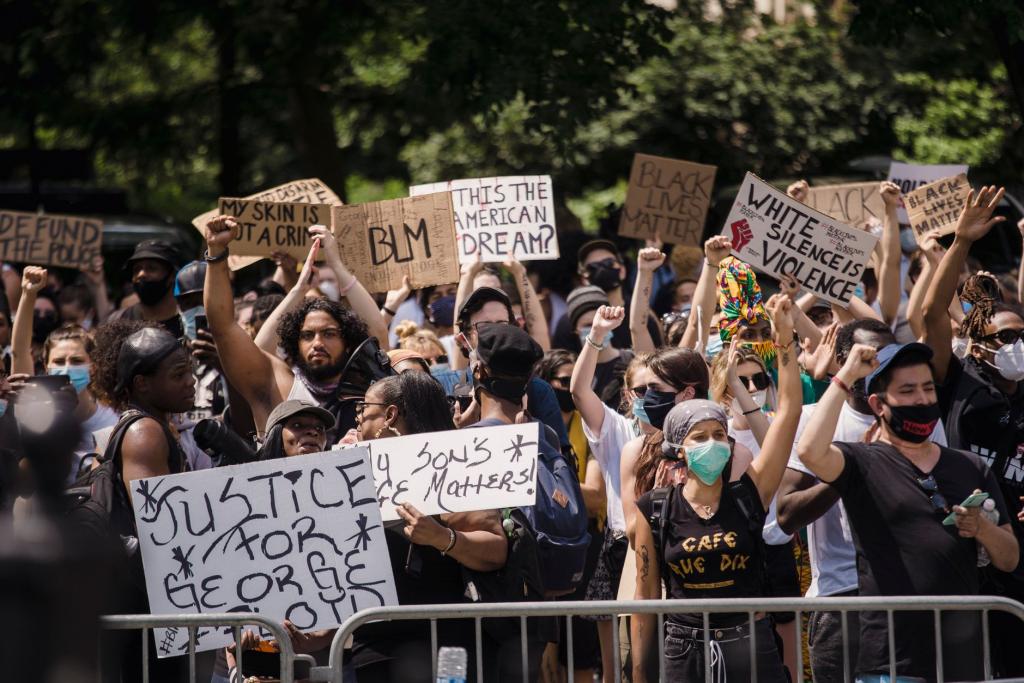
Three members of the Wichita City Council called on Tuesday for a formal resolution that would bar the city's police department from entering 287(g) partnerships with federal immigration authorities, turning an evening rally in a Kansas park into the latest flashpoint in the national fight over local police cooperation with immigration enforcement. The announcement came during a protest organized by the American Civil Liberties Union in Riverside Park, where roughly a hundred demonstrators gathered with signs, music and folk dancers to oppose the federal program. The Wichita ICE debate is local on paper — the city currently has no such agreement — but it mirrors battles now playing out in communities across the country.
Council members Mike Hoheisel, Maggie Ballard and Joseph Shepard each addressed the crowd and said they intend to submit a resolution prohibiting any 287(g) pact between Wichita police and U.S. Immigration and Customs Enforcement. Immigrant-community members who helped draft the measure stood alongside them, according to reporting by KRPS, the regional public radio station. Speaking through a Spanish translator, Shepard told demonstrators that immigrants belong in the city. "You are one of us, and every chance we get, we will lift you up," he said, adding that the city should refuse the pact outright.
What these federal partnerships actually do
The 287(g) program, named for a section of federal immigration law added by a 1996 statute, lets local agencies sign voluntary agreements with the federal agency that grant their officers limited immigration powers on top of routine police duties, according to ICE's own description of the program. It grew sharply after an executive order last year directed the Department of Homeland Security to expand the program to as many local agencies as possible. As of this week, the federal agency had signed 2,597 memorandums of agreement with local departments across 39 states and two U.S. territories, according to KRPS. Kansas alone accounts for 36 counties and 10 cities plus the state Bureau of Investigation — while Wichita itself has no pact, the surrounding county already does.
There are three main versions of the agreement, and they differ sharply in scope. The most expansive, known as the task force model, lets trained local officers question people about their immigration status during ordinary police work; roughly 25 Kansas agencies use that version. A second version applies inside jails, where officers can interrogate arrested people they suspect of being noncitizens about their status. The third covers warrant service, allowing local officers to execute federal administrative warrants. Critics, including the ACLU and the American Immigration Council, say the task force version has a track record of racial profiling, arguing that street-level officers without deep immigration training can end up stopping people based on how they look.
Why the Wichita ICE push matters now
At the center of the Wichita ICE debate is a question simpler than paperwork: trust. Community advocate Claudia Amaro told the crowd that the agreements breed fear with consequences far beyond any one person: people become hesitant to seek services, report a crime or even ask a public agency a question. "Families experience uncertainty," she said, and trust between neighbors and public institutions erodes. Civil-liberties leaders argue that such fear makes everyone less safe, because crimes go unreported and witnesses go quiet. The ACLU's Kansas director, Micah Kubic, added that there is no evidence the pacts make cities safer, noting that federal agents routinely detain immigrants who have no criminal record.
The other side of the Wichita ICE fight is pushing back hard. Kansas Attorney General Kris Kobach, who has urged counties across the state to sign on, has called cooperation with the federal agency critical to public safety and said he expects many more counties to join, making the agreements a top priority of his office. The Wichita protest also followed stepped-up federal operations in southwest Kansas, where meatpacking industry groups say the actions have delayed production and cost millions in lost revenue — though Homeland Security Secretary Markwayne Mullin said the operations targeted people with final removal orders or serious criminal records, not workplaces like processing plants.
The council members' resolution has not been filed or voted on yet, so its practical effect remains an open question. What the evening in the park showed is how a federal policy written three decades ago has become a city-level fight — and potentially a template other towns will copy. Whether the measure becomes law or remains a statement, it signals that communities are drawing their own lines around what their police are asked to do. Kubic urged residents to press their own elected officials against signing more of the agreements. "That is a message that has to be sent," he said, arguing that the agency's current approach violates constitutional protections and that the only safeguard is people standing up for themselves. It is also part of a broader wave of grassroots demonstrations drawing young people into the streets this fall, from student protests in France to housing marches in Madrid.
For readers tracking social justice fights unfolding in real time, the Wichita vote — whenever it lands — is one to watch.
Comments 0
No comments yet. Be the first to share your thoughts!
Leave a comment
Share your thoughts. Your email will not be published.