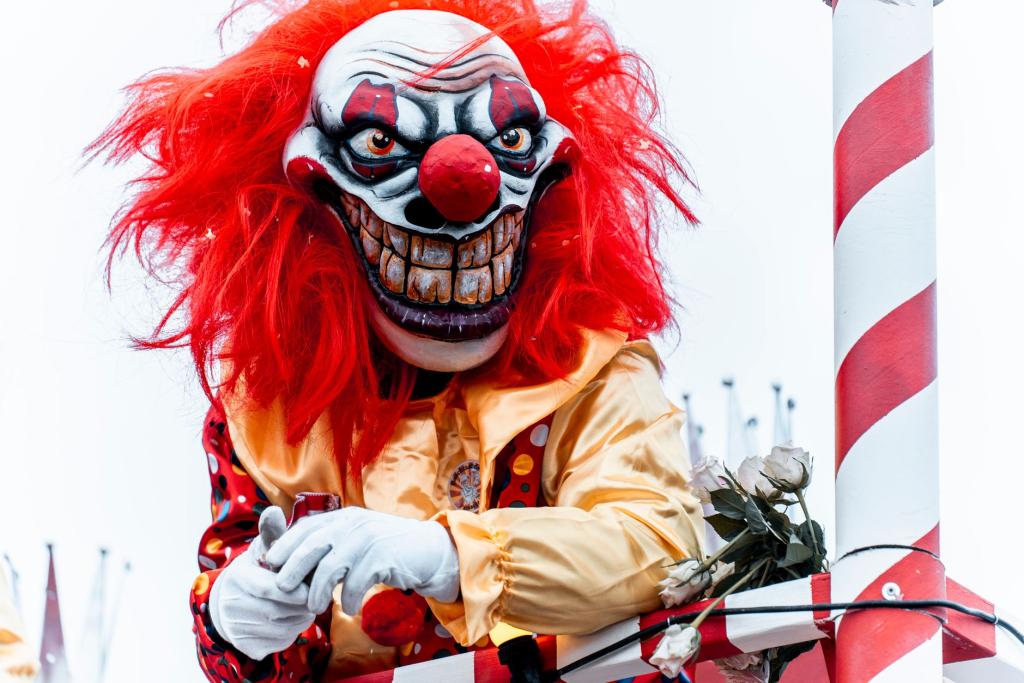
Labubu Owns Halloween the way few toys ever have. The toothy little monster with tall bunny ears started as a blind-box collectible, became a celebrity bag charm, and has now completed its final form: the defining costume of spooky season. With Halloween night less than two weeks away, the furry gremlin is everywhere, from big-box costume aisles to do-it-yourself tutorials, and the data says this is no passing fad.
The search numbers tell the story. On Google's annual Frightgeist costume ranking, the plush landed seventh among overall costumes last year and took the top spot for dog outfits, sitting right beside the year's other viral look, a chicken-riding meme from the blockbuster video game adaptation. This year, market trackers report that the two meme costumes are again driving high demand among Gen Z shoppers, with parents flagging supply shortages and turning to homemade versions when store shelves empty out. According to a roundup of 2026 costume trends, Labubu even appears in about a quarter of the top searches for adult and family costumes, a remarkable showing for a character that most adults had never heard of two years ago.
The craze has a clear origin story. The creature comes from a book series by Hong Kong illustrator Kasing Lung, who dreamed up the mischievous tribe years before it became a product. The turning point arrived when a global pop star posted the plush on social media in 2024, and the image ricocheted across fan accounts until the toy became a red-carpet accessory spotted on everyone from chart-toppers to supermodels. The manufacturer leaned into the frenzy with blind-box mechanics and deliberately tiny production runs, turning each release into a lottery. A Halloween-themed vampire edition, limited to twelve thousand pieces at sixty-nine dollars retail, now changes hands for around four hundred twenty dollars on resale markets, according to an analysis of the toy's scarcity strategy.
A thirteen-billion-dollar holiday meets a plush obsession
The timing could not be better for retailers. Americans are expected to spend a record thirteen and a half billion dollars on Halloween this year, with costumes alone accounting for more than four billion of it, according to the National Retail Federation's annual survey. Roughly three in four consumers plan to celebrate, and the average shopper expects to spend about a hundred fifteen dollars. "Consumers continue to make Halloween a spending priority, but they are also approaching the season with affordability in mind," the trade group's vice president of industry and consumer insights told reporters after the survey's release in September.
That affordability instinct is exactly why the costume works so well. A full Labubu look requires little more than a furry hood with bunny ears and a wide, toothy grin, which puts it in the cheapest tier of trending costumes. The same Halloween spending data shows that about half of shoppers start buying in September or earlier, and the earliest planners tend to be the most enthusiastic spenders, which means the plush had already sold through several restocks before October even began. For families watching their budgets, a closet-built costume with one statement accessory beats a forty-dollar licensed jumpsuit.
From shelf to street: how the takeover happened
The road from niche collectible to mainstream costume followed a familiar internet playbook, just faster than usual. First came the unboxing videos, where creators filmed themselves ripping open blind boxes in search of rare colorways, turning scarcity into content. Then came the customization wave, with owners dressing their dolls in tiny outfits and photographing them like influencers. By last Halloween, the character had already cracked the top ten costume lists, and this year the costume retailer Spirit Halloween built its entire seasonal forecast around fandom-driven looks, with the plush firmly in the mix.
The business behind the boom is staggering. The Monsters line now accounts for about a third of its maker's revenue, contributing nearly seven hundred million dollars in the first half of last year alone, as collectors' guides have documented. That commercial success explains the endless collaborations, from fashion houses to fast-food toys, each drop engineered to sell out in minutes. The strategy mirrors sneaker culture and luxury streetwear, where limited supply manufactures desire, except the audience here skews younger and the entry ticket is a twenty-dollar blind box rather than a two-hundred-dollar shoe.
There is a backlash brewing, though. Critics argue that the artificial scarcity model preys on the same compulsive buying instincts as gambling, with children pestering parents for box after box in pursuit of a rare pull. Resale markups mean the kids who want the toy most are often the ones priced out, and some collectors complain that the endless limited editions have turned a joyful hobby into an exhausting arms race. Parenting forums are full of debates about whether blind boxes belong in the same category as trading cards or slot machines, and a few schools have banned the toys outright after playground trading turned heated.
Still, as a Halloween phenomenon, Labubu Owns Halloween 2026 because it solves the holiday's hardest problem: being recognizable, affordable, and just weird enough to start conversations. It works for toddlers, teens, and pets alike, photographs beautifully against autumn leaves, and carries a full year of internet lore that a generic witch costume never could. Whether the plush is still on shelves next October is anyone's guess, but for this season, the toothy grin has won. If you want one, shop now and consider building the look yourself, because the only thing scarcer than the toy is the costume in your size.
For more seasonal inspiration, check out Spirit's 2026 costume forecast and our look at the spooky-cute aesthetic taking over fall feeds. And if the plush on your bag needs a break, read how Gen Z's analog bags became the viral screen-time fix.
Comments 0
No comments yet. Be the first to share your thoughts!
Leave a comment
Share your thoughts. Your email will not be published.